
Venezuela Needs New Aircraft to Counter Brazil’s Gripen - Which Fighters Can its Budget Best Accommodate?
Military Watch Magazine Editorial Staff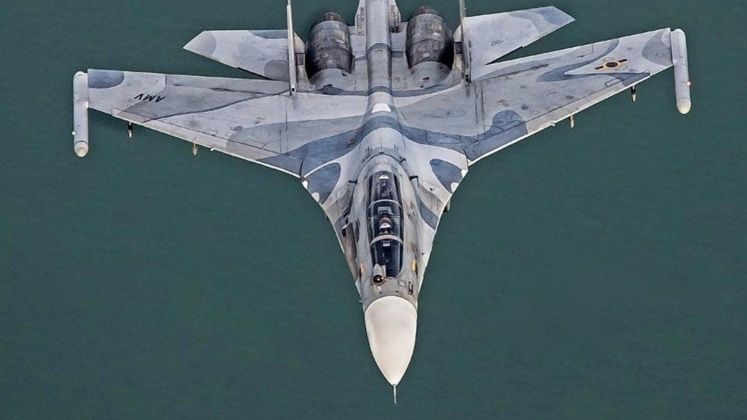
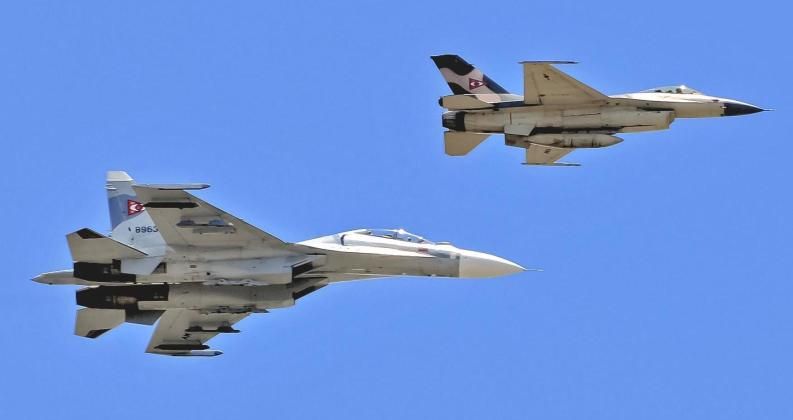
Venezuelan Air Force Su-30MK2 Heavyweight Fighter
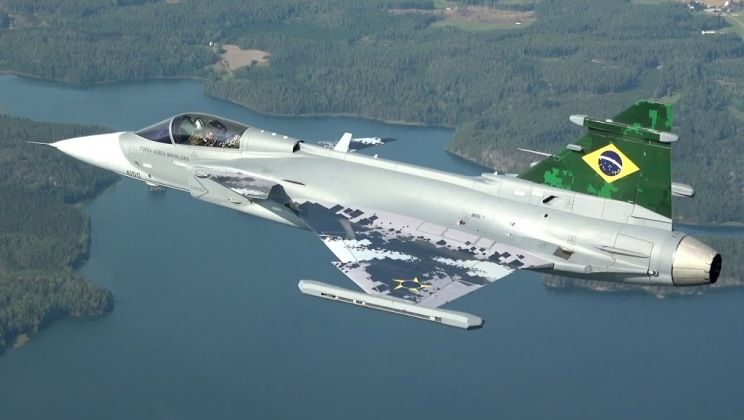
The delivery of thee first Gripen E fighter jets to the Brazilian Air Force heralds the beginning of a major shift in the balance of power in the air in South America, with 36 of the jets currently on order from a total of 72 planned, which are expected to revolutionise Brazilian aerial warfare capabilities. The Gripen E will replace the obsolete F-5E Tiger II lightweight fighter which previously comprised the entire Brazilian fleet, with the new fighters boasting access to advanced Meteor air to air missiles, powerful AESA radars and electronic warfare systems and considerably better flight performances technologically over four decades ahead of their predecessors. Brazil’ F-5 jets, by contrast, were considered out of date even at the time they were first ordered, and notably fielded no beyond visual range air to air missiles making them effectively useless against modern adversaries in air to air combat. This combined with Brazil’ lack of any standoff range surface to air missiles meant that the Brazilian Armed Forces had almost no anti-aircraft capabilities whatsoever.
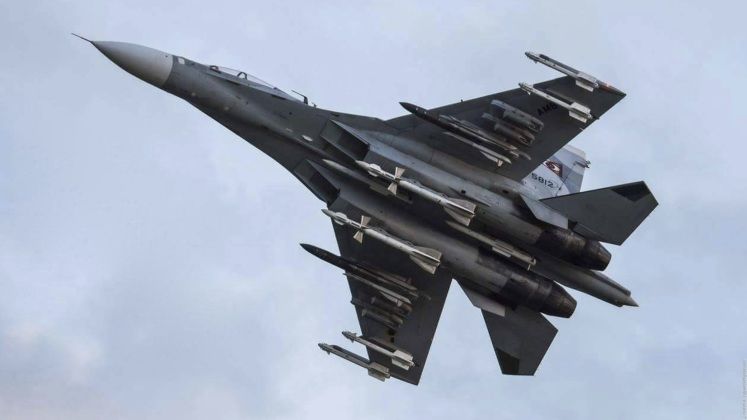
Brazil’s relative weakness in the air had long given its smaller oil rich neighbour Venezuela a major advantage in a potential war. The Venezuelan Air Force’s single squadron of F-16A Fighting Falcons were not much better armed than the Brazilian F-5s, but in terms of sensors and flight performance they were far superior. Much more importantly, however, Venezuela’s Su-30MK2 heavyweight fighters were considered the most capable combat jets in the Americas outside the United States, and were advanced ‘4+ generation’ heavyweight jets designed for high end engagements. The Su-30s not only carried extremely powerful sensors and state of the art active radar guided air to air missiles, giving the F-5E almost no chance at all in combat, but they also deployed a range of advanced standoff air to ground missiless allowing them to neutralise targets across Brazil in the event of war - exploiting the larger state’s almost total lack of air defences.
Further complementing the Su-30, Venezuela deployed a highly sophisticated surface to air missile network built primarily around the S-300VM high mobile long range surface to air missile system and the shorter ranged BuK-M2 - both acquired from Russia alongside modern fighter jets. This gave the country by far the most powerful air force in Latin America - one which Brazil was very poorly placed to counter in the event of a potential war. The acquisition of the Gripen E is expected to seriously upset the Venezuelan advantage, as while the new Swedish-supplied jets are far inferior to the Su-30 in terms of flight performance, they are around 20 years ahead in terms of electronic warfare systems, avionics, sensors and missile technologies. Although the Su-30MK2’s radar is over twice as large, the fighter represents an older iteration of the Su-30 design which is likely to struggle in beyond visual range engagements against the Gripen E. The Gripen’s radar is both similarly powerful and much harder to jam, and the jet also benefits from newer electronic warfare systems and access to longer ranged air to air missiles which could prove decisive.
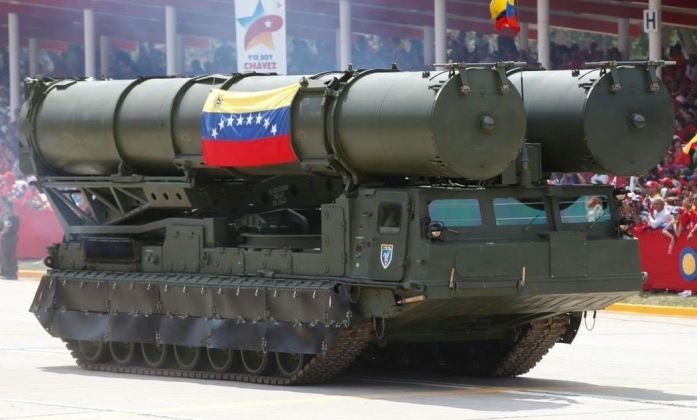
Although Venezuela’s defences are likely to remain sufficient for some years, with its ground based missile network able to support Su-30 fighters in the event of a Brazilian attack and the Gripen jets not well equipped to take on S-300s, in the long term should Brazil go ahead with plans to acquire 72 Gripen E jets, Venezuela is very likely to seek to improve its aerial warfare capabilities with new acquisitions from Russia. While the country has suffered from a severe economic crisis, brought on by a sharp drop in oil prices and harsh Western sanctions and exacerbated by domestic corruption, gradual stabilisation of the economy could well facilitate arms purchases later in the 2020s. While Venezuela previously had shown an interest in acquiring Su-35 heavyweight fighters, which are derived from the same airframe as the Su-30MK2 but are technologically over 15 years ahead, the high cost of these jets both to acquire and to operate means a possible purchase would only come much later in the decade. An arguably more cost effective option would be to acquire a medium weight or lightweight jet to replace the obsolete F-16 fighters currently in service - possibly selling the F-16 on to a third party for adversary training or some other purpose.
One leading option to counter the deployment of the Gripen E and modernise Venezuelan capabilities at a relatively low cost would be to acquire Russian MiG-35 ‘4++ generation’ medium fighters. The MiG-35 is not only much more capable in air to air combat than the Su-30MK2, owing largely to its more sophisticated airframe, sensors, weaponry and avionics, but it is also far cheaper to operate and maintain meaning the aircraft can fly more frequently than the Venezuelan Air Force’s current elite. The fighters’ operational costs will notably be lower than the ageing F-16s in service, meaning that if the jets do replace the American-supplied fighters the Venezuelan Air Force could make significant cost reductions in the medium-long term. The MiG-35 entered service in the Russian Air Force in June 2019, and is the most advanced fighter currently deployed boasting features from artificial intelligence to three dimensional thrust vectoring engines.
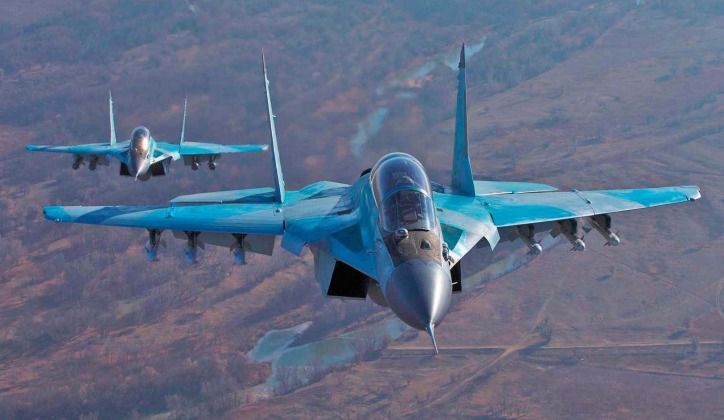
The MiG-35 is expected to have a significant advantage over the Gripen E - with both jets being comparable in sophistication and in terms of avionics and electronic warfare systems. The MiG’s radar is considerably larger, however, and its endurance is significantly higher allowing it to carry more missiles over longer distances. The fighter can fly much faster and at higher altitudes, and in terms of manoeuvrability and climb rate has an overwhelmingly advantage over the lighter Swedish aircraft. The MiG-35 also has a much longer engagement range, with its R-37M missile having rage of 400km where that of the Meteor is estimated at 200-250km - likely much less for export variants. Although the MiG-35 is the most suitable Russian fighter given the current restrictions on Venezuela’s defence budget, another option could be acquisition of the Chinese J-10C which integrates many of the same technologies but is cheaper to operate and has access to more sophisticated air to air missile types.
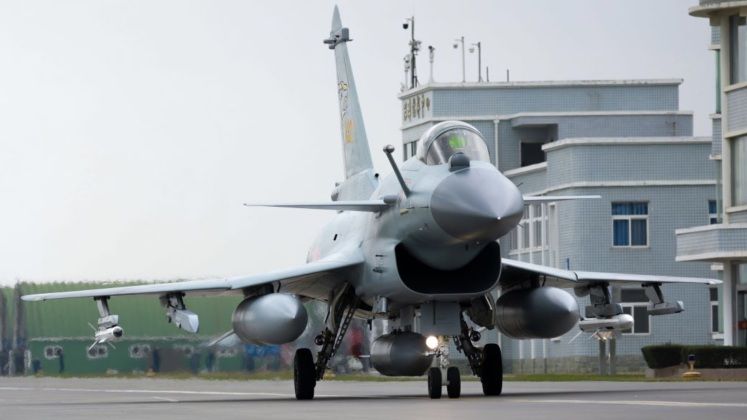
The J-10C is lighter and carries less weapons than the MiG-35, but is in some ways superior benefiting from technologies such as stealth coatings and AESA radar guided missiles. With Venezuela already operating Chinese JL-8 trainer/attack jets, and with China being the primary client for Venezuelan oil, there remains a possibility that J-10C fighters could be provided in exchange for access to natural resources - something Russia is unlikely to be able to offer due to the much lower volume of imports from the South American state. China could also potentially offer Venezuela the JF-17 Block 3 lightweight fighter, a lighter aircraft which is conceptually similar to the Gripen E and has a lower manufacturing and operational cost than either the J-10C or MiG-35. Given the small size of the Venezuelan fleet, however, it is more likely that it will look to a heavier and higher end aircraft than the JF-17 to compensate for its inevitable quantitative disadvantage in the event of a potential war.
