
Su-35 vs. MiG-35: Comparing the Capabilities of Russia’s New ‘4++ Generation’ Fighter Jets
Military Watch Magazine Editorial Staff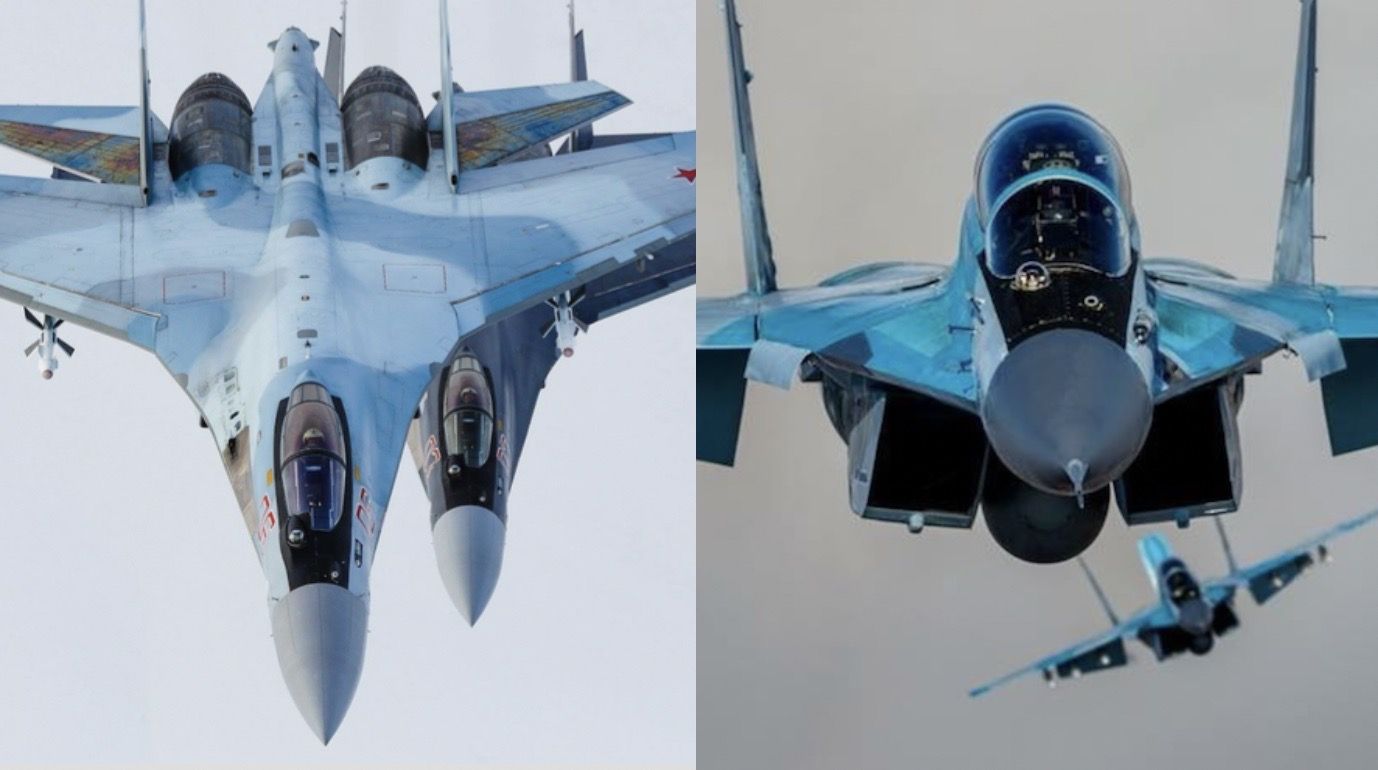
Russian Su-35 Heavyweight (left) and MiG-35 Medium Weight Fighters
Alongside the Su-57 stealth fighter and Su-34 ‘Hellduck’ strike fighter, Russia’s new generation of fighter jets which have begun to enter service from 2014 have included two ‘4++ generation’ fighter jets - which represent heavily enhanced derivatives of combat tested Soviet designs. The Su-35 entered service in 2014 as a modern derivative of the Su-27 Flanker heavyweight air superiority fighter - a platform designed to take on the elite of the Western Bloc’s air fleet which in the Su-27’s case was represented by the F-15C Eagle, and in the case of its successor was represented by the F-22 Raptor. The MiG-35 meanwhile entered service from June 2019, and is a heavily enhanced derivative of the MiG-29 Fulcrum - a platform with a medium weight comparable to the American F-18 Hornet which is intended to deploy from bases closer to the frontlines. While both the MiG-35 and the Su-35 deploy many similar technologies, the two are fundamentally different designs which are as complementary as their Cold War predecessors. An assessment of the capabilities of both fighters and of their key differences can provide significant insight into the nature of both programs and their possible futures.
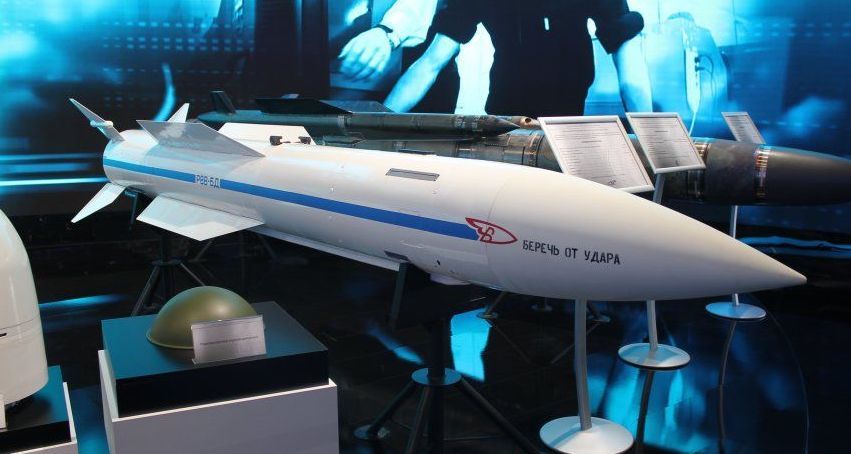
The Su-35 deploys the Irbis-E radar, which can detect most fighter sized targets at ranges of over 400 kilometres, can detect stealth fighters at ranges of over 80km and can track up to 30 airborne targets simultaneously. The MiG-35’s radar is more sophisticated, and is the first active electronically canned array (AESA) radar installed on a Russian frontline fighter, but is also much lighter than the Irbis-E meaning the Su-35 will retain a significant advantage in situational awareness. Less is known about the MiG-35’s detection range, but the types of munitions it has been equipped with indicate it can track enemy aircraft at ranges of over 400km as well - although this range may be lower for smaller fighter sized targets with lower radar cross sections. Both fighters deploy the same classes of munitions, and they are the only serving Russian fighter designs compatible with the new R-37M hypersonic air to air missile - a Mach 6 platform with powerful sensors capable of engaging aircraft at ranges of up to 400km. This missile will allow the fighters to comfortably outrange all potential adversaries in beyond visual range engagements, with the latest Chinese and American air to air missiles having half the range or less and being considerably slower. Both fighters can also deploy a range of standoff cruise missiles such as the Kh-35 and Kh-31, although the MiG-35 also benefits from access to the newer Kh-38 which the Su-35 is not known to be capable of operating.
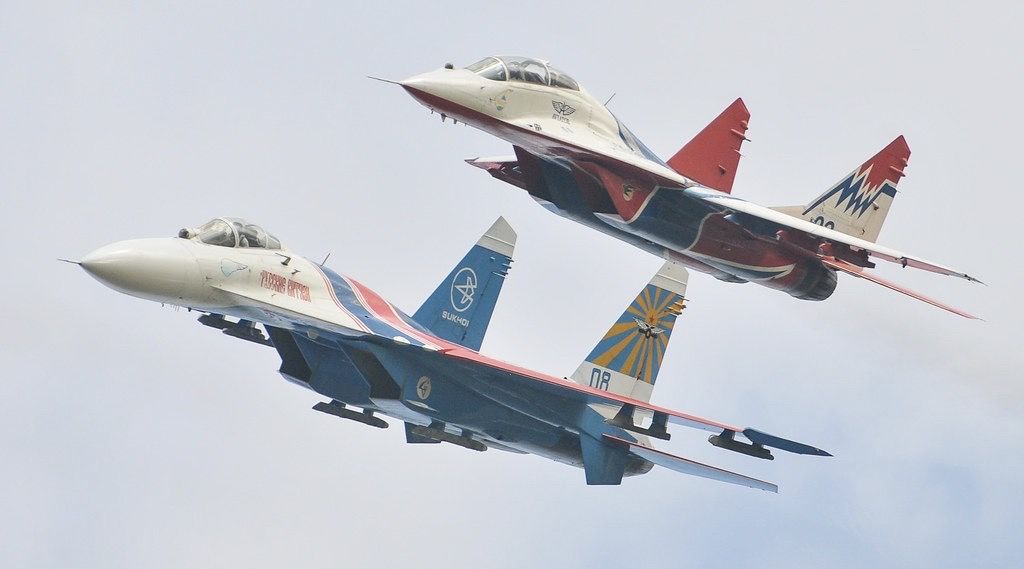
Both the Su-35 and the MiG-35 are similarly manoeuvrable and make use of twin engines with three dimension thrust vectoring - the only two active fighters in the world other than the Chinese J-10C to incorporate such technologies which provide supermanoeuvrability. The original Su-27 and MiG-29 were already found to have far superior manoeuvrability to their Western counterparts - confirmed when the latter was tested after it was inherited by a reunified Germany - and this advantage will be considerably greater on their next generation derivatives. Other improvements similarly applied to both designs include more powerful and fuel efficient engines, superior endurance and greater fuel storage, expanded weapons payloads, lighter and more durable frames due to higher use of composite materials, and state of the art electronic warfare systems, data links and cockpit displays. The Su-35, while larger, has benefitted from limited applications of stealth technology reducing its radar cross section by over 70% relative to the Su-27. The MiG-35 is not known to have benefitted from similar stealth technologies.
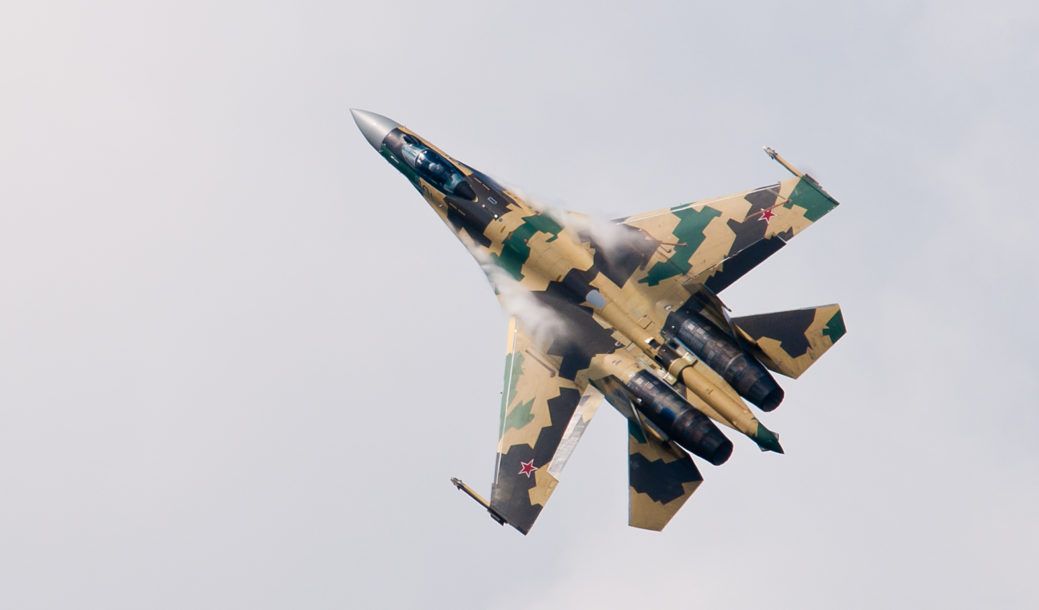
While both fighters are capable of reaching similar speeds of around Mach 2.25, the Su-35 benefits from a higher operational altitude and much longer range - allowing it to penetrate deep behind enemy lines and patrol greater areas even with a full weapons load. The MiG-35’s maximum operational altitude is approximately 20% lower. While the Su-27 and MiG-29 had a standard payload of 8 and 6 missiles respectively, the Su-35 and MiG-35 expand these to 12-14 and 8 missiles each. Far superior endurance means these heavier payloads can be carried without significant compromises to range.
While overall the Su-35 appears to be the more powerful fighter, albeit a more expansive one, the MiG-35 does retain a number of critical advantages. The fighter’s operational costs are reportedly under 20% those of the MiG-29 - making it one of the cheapest fighters in the world to operate despite its considerable weight and high end capabilities. This, moreso that the lower acquisition cost, allows operators to deploy the fighter in much larger numbers than the Su-35 and to train skilled pilots at a minimal cost. The MiG-35’s lower maintenance requirements allow it to generate more sorties in any set period of time, and thus maintain a greater presence in the air. Less time on the ground, combined with its ability to operate from shorter runways including makeshift ones, makes it less vulnerable to airstrikes on airbases than the heavier Su-35.
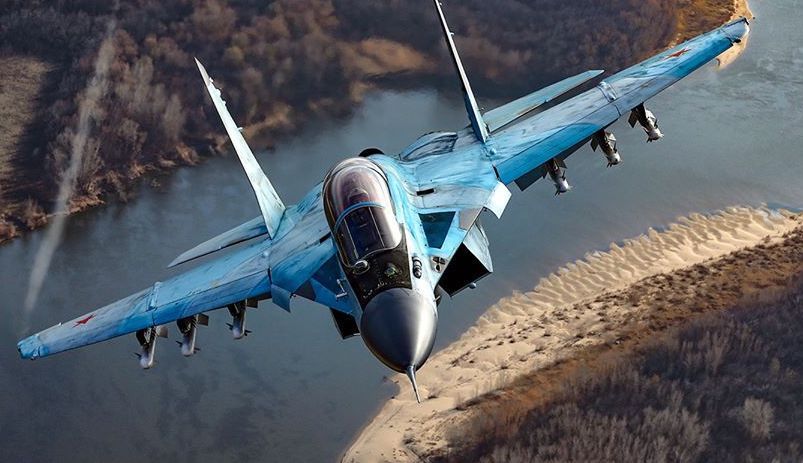
Ultimately the Su-35 and MiG-35 share many similar design concepts and technologies, but are intended for different roles with each having its advantages. The Su-35 is a higher end platform which can be better relied on to take on the elite heavyweights of enemy fleets such as Raptors, but the MiG-35 can still hold its own against even higher end adversaries and retains many very considerable performance advantages over the majority of Western fighters including newer designs such as the Gripen-E, F-16V, F-18E and Rafale. Russia’s greater focus on heavyweight fighters at the expense of acquiring lighter aircraft means that it is likely to focus more on acquiring the Su-35, much as it prioritised manufacturing of the Su-27 and Su-30 over the MiG-29 after the Cold War’s end. This has come at the expense of fleet size however, and operating heavy fighters with higher operational costs means the Russian Air Force fields a lot less squadrons that it could have otherwise. With Russia unlikely to seek to expand its Air Force with more squadrons of lighter aircraft in the near future, MiG-35 purchases will be limited - although the fighter is still expected to enter service in respectable numbers with over 150 reportedly planned. It is likely that the fighter will be fielded in greater numbers by export clients which are looking to deploy larger and more diverse fleets with a lesser focus on heavyweight platforms.
