
Russian Air Force Receives First Serially Produced MiG-35 Fighters - Heavier Su-57 to Follow
Military Watch Magazine Editorial Staff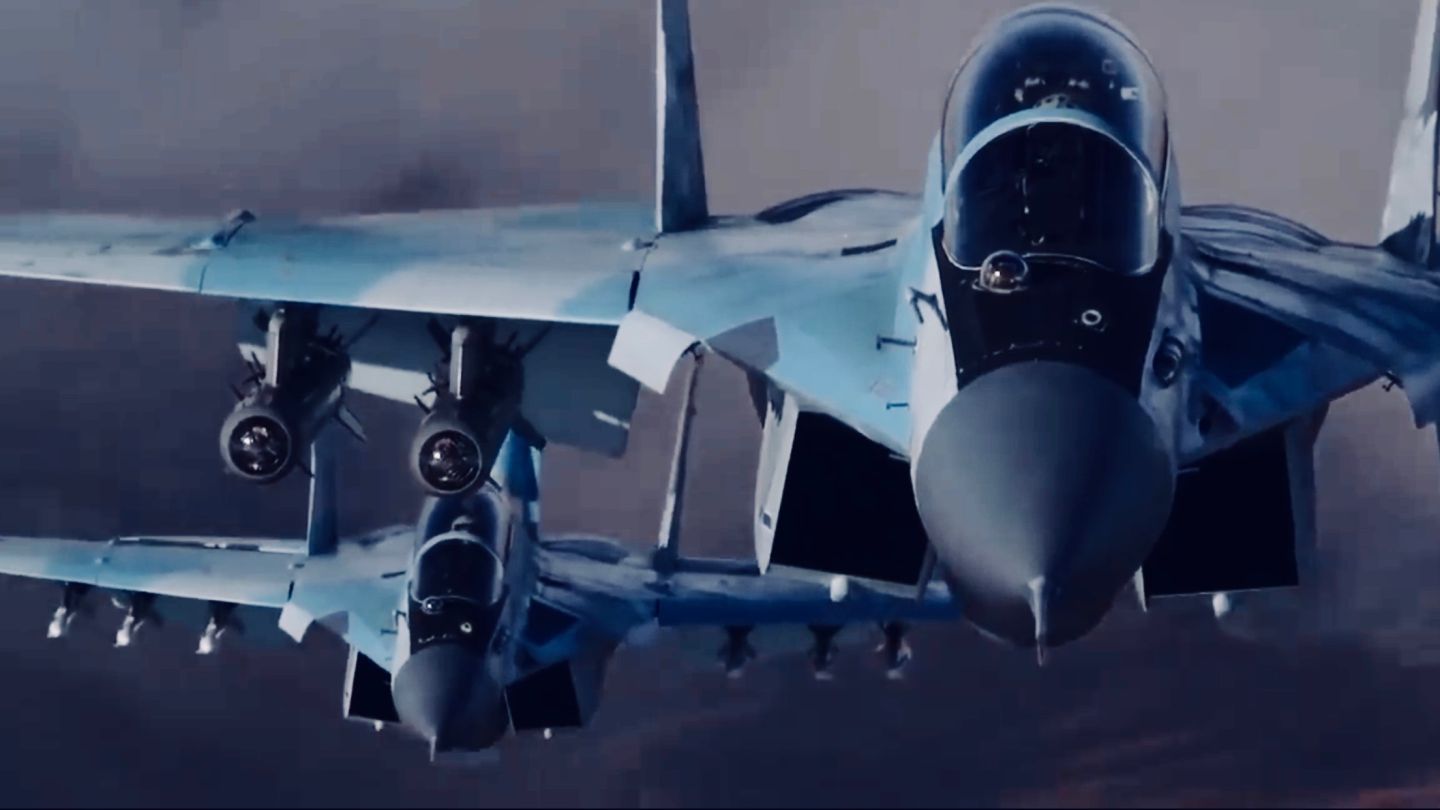
MiG-35 '4++ Generation' Fighters
The Russian Air Force has received its first two serially produced MiG-35 ‘4++ generation’ medium weight multirole fighters, with orders placed for enough of the aircraft to outfit two full squadrons and further followup orders expected. The MiG-35 is outfitted with highly sophisticated sensors, avionics and weapons systems allowing it to go head to head with its most advanced Western counterparts such as the Eurofighter Typhoon and F-35A. The platform is designed primarily to serve as a defensive frontline fighter capable of operating from short runways and protecting Russian forces from enemy air attacks. As a lighter complement to the Su-57, much as the American F-35 is to the F-22 and the MiG-29 of the previous generation was to the Su-27, the MiG-35 is an unspecialised multirole jet and currently the most sophisticated fighter in the Russian Air Force - which it will remain until the first of its heavier counterparts leave production lines. Despite its lower cost, both to operate and to acquire, Russia’s strong preference for heavier fighter jets such as the Su-27 and Su-57 over their lighter counterparts means that the MiG-35 is unlikely to be built in large numbers for domestic use. The fighter has been extensively marketed for export however, with India, Pakistan, Bangladesh and Egypt among others all showing considerable interest.
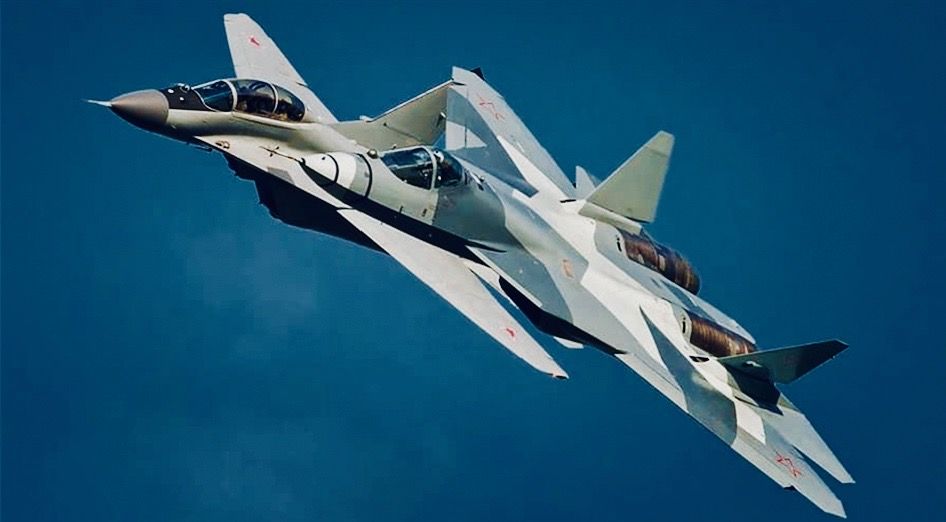
The MiG-35's ability to operate using much of the same infrastructure as the fourth generation MiG-29 which it closely resembles, and the similarity of the two jets which reduces needs for costly retraining of pilots, means the new aircraft can potentially appeal to a wide range of clients which currently operate its predecessor from the previous generation. 24 countries currently operate the MiG-29 - and other than Slovakia, Poland and Bulgaria which have been integrated into the NATO alliance, all others are likely to at least consider an acquisition of its next generation successor. The MiG-35 retains an extremely high thrust/weight ratio with more powerful engines and a lighter airframe with more composite material use than its predecessor the MiG-29. The fighter is also the first in the world of the medium weight range to use three dimensional thrust vectoring systems, providing it with extreme manoeuvrability surpassing that of other platforms and allowing it to both more effectively evade enemy missile attacks at range and to dogfight more effectively in visual range combat.
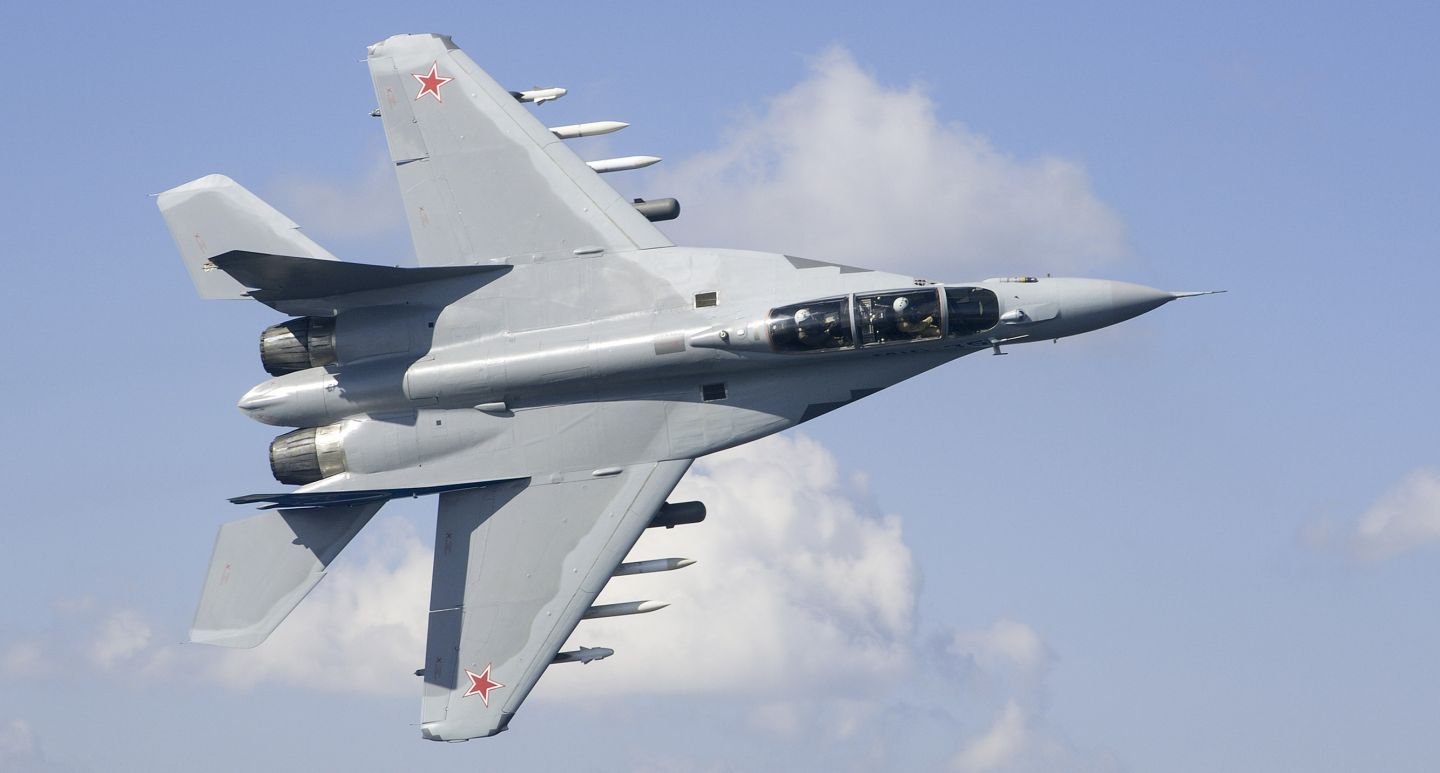
The MiG-35 is the first Russian fighter to integrate an active electronically scanned array (AESA) radar, a powerful new type of system first fielded in 2002 by the Japanese Mitsubishi F-2 and since deployed by a number of new Western fighters including the F-35 and F-22 stealth fighters - as well as by the Chinese J-20 and J-10C which entered service in 2017 and 2018 respectively. Such radars provide superior situational awareness, have lower signatures and are less vulnerable to jamming than their passive counterparts. The radar used by the MiG-35 is called the Phazotron Zhuk-AE. A powerful radar combined with an advanced infra red search and track system will effectively complement the MiG-35's advanced long range munitions. According to some reports the MiG-35 will have access to the K-77 air to air missile - a unique and extremely precise platform with a range of nearly 200km, very high manoeuvrability and a special active phased array antenna which makes it particularly challenging to evade.
