
T-90, MiG-35, Pantsir and More for Pakistan as Islamabad Considers Massive Russian Arms Package
Military Watch Magazine Editorial Staff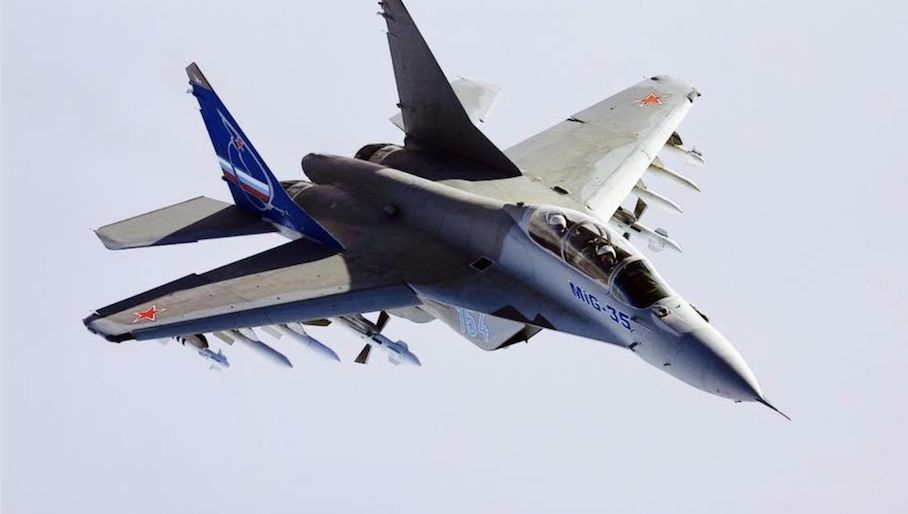
MiG-35 Twin Engine Medium Fighter
Russian and Pakistani media outlets have reported on a sizeable arms package currently being negotiated between Moscow and Islamabad, with a number of new Russian weapons systems being considered for the modernisation of the Pakistani armed forces. This comes shortly after clashes with the Indian military in late February, in which the larger South Asian state’s formidable arsenal of advanced Russian made hardware ensured a considerable advantage in case the conflict escalated - with its Su-30MKI air superiority fighters, T-90MS battle tanks, and long range surface to air missile network among other assets without peer in the Pakistani inventory. Indian orders for S-400 surface to air missile batteries, further Su-30MKI and MiG-29 fighters, ongoing negotiations for Su-57 fifth generation fighters, and considerable interest in acquiring T-14 next generation battle tanks, have forced Pakistan to move quickly to modernise its own assets - not only with indigenous and Chinese manufactured systems but also potentially with Russian equipment.
According to Russian sources, the Pakistani acquisition of Russian military hardware could amount to $ 9 billion. Islamabad’s primarily interest has reportedly been in enhancing its aerial and armoured warfare capabilities with acquisition of fighter aircraft, battle tanks and ground based air defence systems. Deputy director of the Moscow based Independent Center for Strategy and Technology Analysis think tank Konstantin Makienko stated regarding the possible sale: "The potential Pakistani demand for purchases of Russian weapons and military equipment amounts to $ 8-9 billion. Pakistan can become the buyer of an extensive range of Russian weapons, including heavy and medium fighters, large, medium and short range air defense systems, main tanks and surface ships… Pakistan does not raise the issue of offset obligations, technology transfer, localisation of production and other burdens, which have become the de facto standard in highly competitive arms markets.” He further noted that Ukraine, which formerly provided Pakistan with T-80 battle tanks, was a potential competitor in supplying some equipment - anti ship missile systems in particular. Given recent issues plaguing Ukraine’s defence sector however, and the far poorer state of its research and development and smaller scale of production, it is likely to struggle to compete in this market.
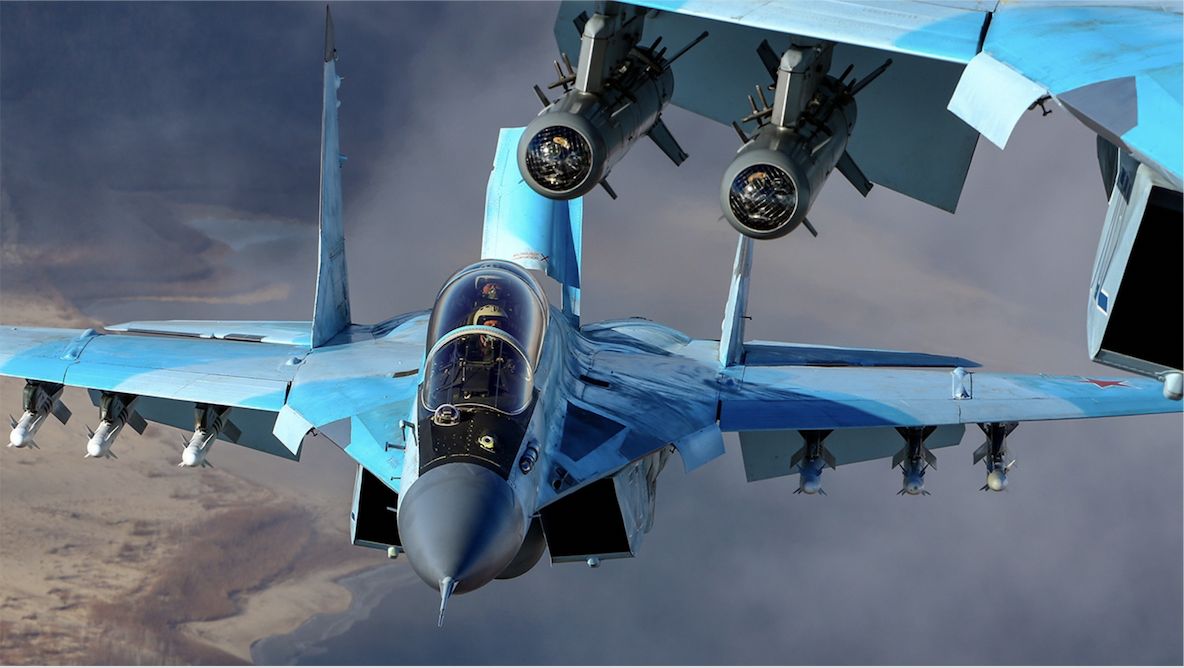
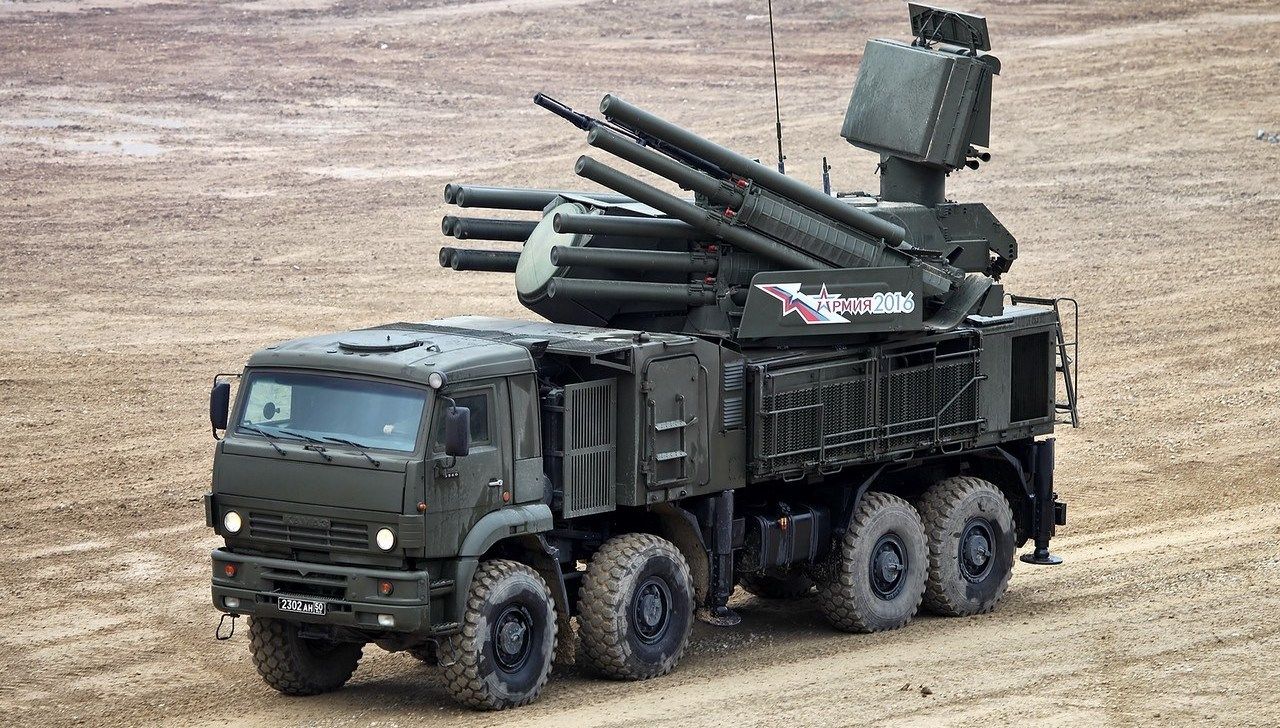
Hardware which in Pakistan’s armed forces have shown particular interest include MiG-35 twin engine medium fighters, T-90 battle tanks, Pantsir air defence combat vehicles and Mi-26T2 transport helicopters. Development of the MiG-35 was completed in 2018, and the fighter represents a lighter analogue to the Russian Su-57 with a next generation AESA radar, three dimensional thrust vectoring systems and K-77 air to air missiles. The considerable similarity between the fighter’s engines and those of the single engine JF-17, which currently forms the backbone of the Pakistani fighter fleet, and the extremely low operational costs of the Russian jet - a small fraction of those of the Su-30MKI and MiG-29 operated by India - makes the MiG-35 a potentially highly attractive option to complement the lighter JF-17 Block 3. Heavier fighters such as the Su-30 and Su-35, while capable of carrying more weapons and heavier sensors and flying at higher altitudes, are less attractive due to their higher operational costs - and to a lesser extent their higher acquisition cost and lack of either AESA radars or K-77 missiles. While Pakistan is currently planning acquisition of the Chinese VT-4 main battle tank, the T-90 will provide an effective counterpart to diversify the country’s next generation armour. Indian media indicate that a purchase of around 360 tanks is being considered. The Pantsir will provide a unique asset to the Pakistani inventory, and complement the existing capabilities of the HQ-16 missile batteries currently in service and HQ-9B batteries currently under consideration. Whether such an arms deal will go ahead, particularly given Moscow’s potential concerns due to its vital defence partnership with India, remains to be seen.
