
HQ-16 in Kashmir - Could Pakistan Deploy its Foremost Air Defence Platform to Counter Future Indian Strikes?
Military Watch Magazine Editorial Staff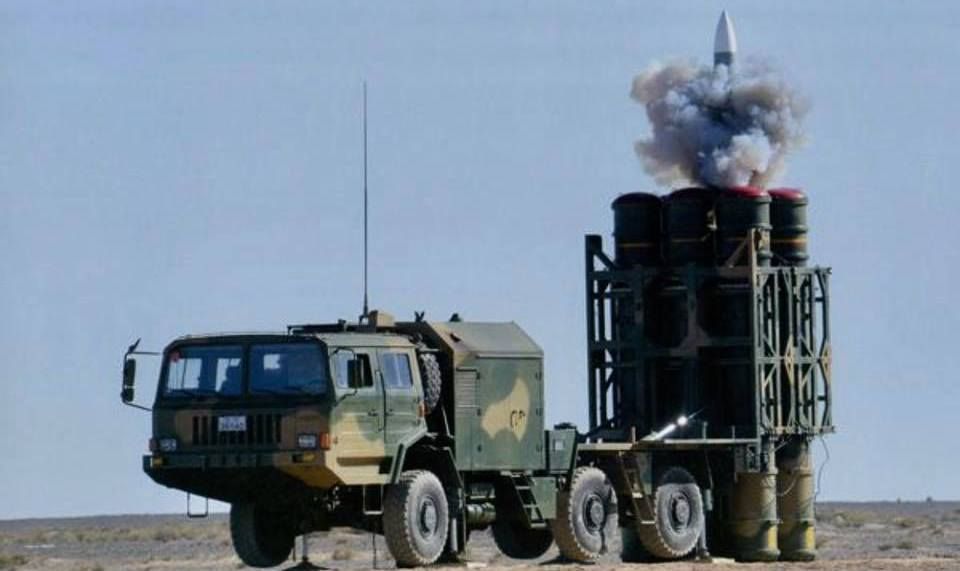
HQ-16 Surface to Air Missile Battery
With Pakistan's armed forces currently considering acquisition of the Chinese HQ-9B surface to air missile system, an analogue to the Russian S-300PMU-2, to provide some long range air defences capability, the military may be seeking adopt an approach to air defence more heavily reliant on asymmetric surface to air missile systems to counter potential attacks from the larger Air force of neighbouring India - which fields a number of high end heavy fighters such as the Su-30MKI which the Pakistani Air Force's fighter fleet may otherwise struggle to engage. Pakistan for its part currently deploys a shorter ranged analogue to the HQ-9B, the HQ-16, which provides a highly effective and versatile intermediate range defence against attacks from aircraft, ballistic or cruise missiles. The HQ-16 is speculated to have been based on the Russian BuK-M2 surface to air missile system, though it differs significantly from its Russian counterpart in terms of both capability and appearance and is considered by a number of experts to be more capable than the BuK system. Developed to protect military installations and industrial assets on the Chinese mainland, Pakistan emerged as the only export client for the highly sensitive land based system. Navalised variants of the HQ-16 - the HHQ-16 - have also been exported to Thailand onboard the Type 054 Class frigate - and these warships are currently under construction for the Pakistani Navy which will soon provide the service with its own HHQ-16 batteries.
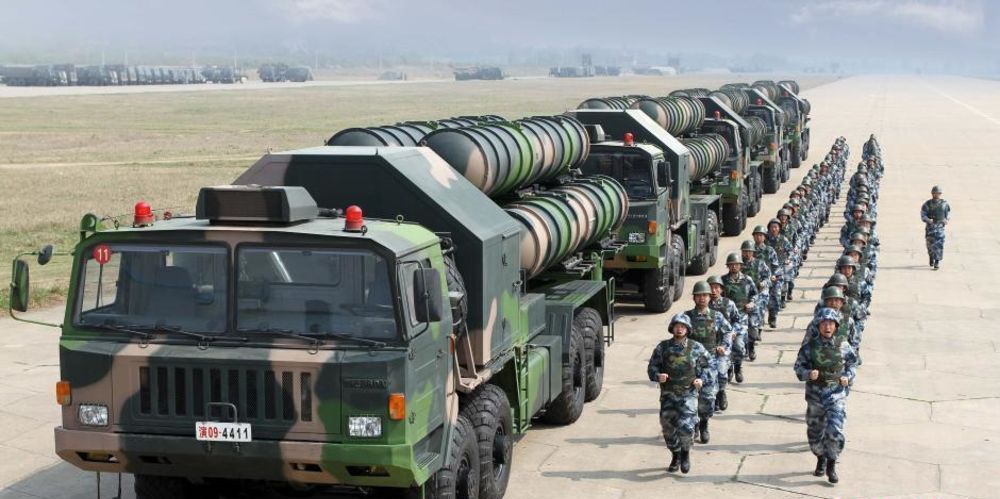
The HQ-16 makes use of vertical launch cells allowing batteries to fire from areas of dense cover including between buildings in major cities - making them far more survivable than platforms which lack such capabilities. Batteries are mounted on highly mobile 6×6 trucks, allowing them to 'shoot and scoot' to seriously improve survivability. The use of cold launch systems, similar to those used by the S-400, meanwhile reduce maintenance needs and operational costs. Each HQ-16 system consists of two radar units - an L-band passive phased array radar with an 85 km range and an S-band 3-D passive phased array radar with a 140 km range - which between them can detect up to 144 targets and simultaneously track up to 48. The system is well suited to targeting enemy combat aircraft, UAVs, cruise missiles and short-medium range ballistic missiles - while longer ranged platforms such as the HQ-19 relied on to engage longer range ballistic missiles at higher altitudes. Given that Pakistan is unlikely to come under attack from long range ballistic missiles, due to its proximity to neighbouring India which places its entire territory within range of lower intermediate range missiles, the HQ-16 can be considered an adequate defence.
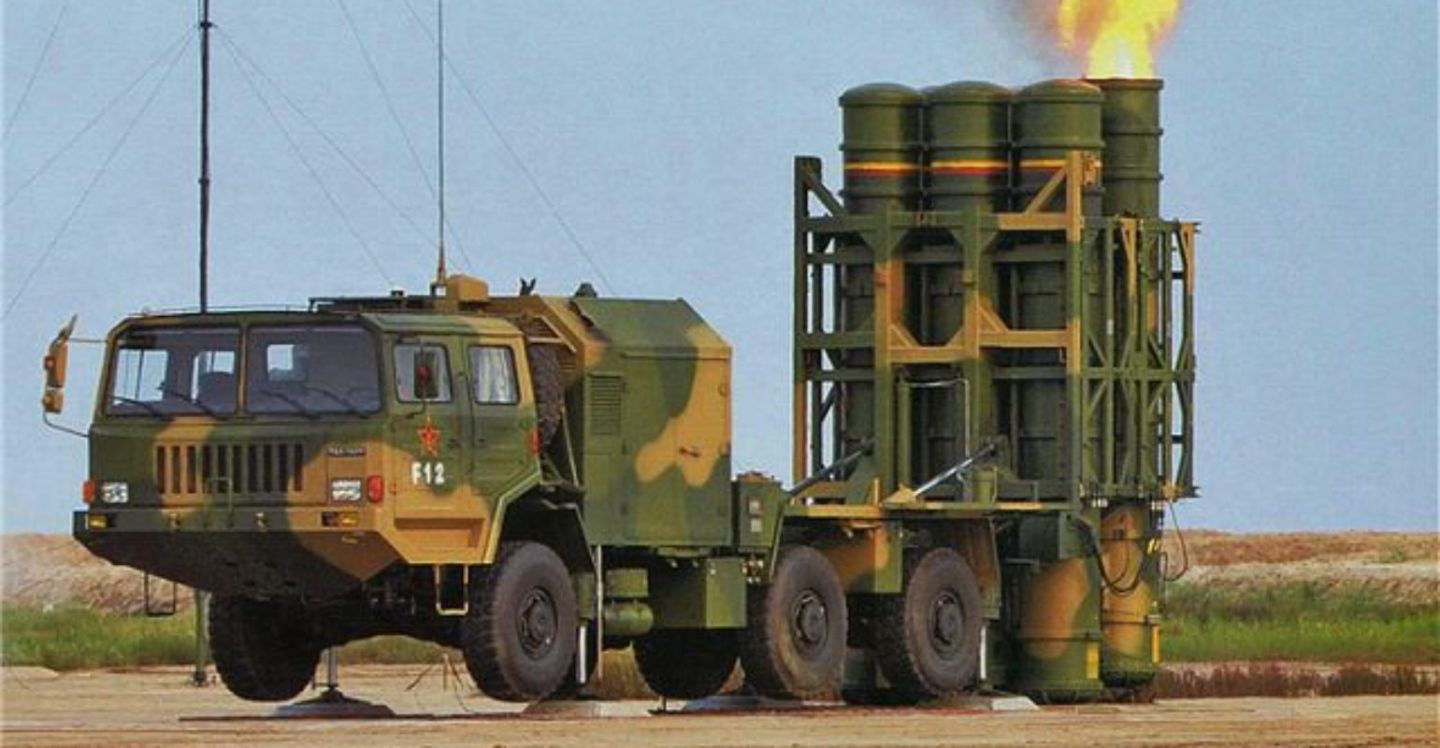
HQ-16 batteries are reportedly deployed by Pakistan's armed forces to protect key military installations as well as parts of the capital Islamabad. Deployment near the Indian border in Kashmir however could allow them to more assertively provide for the defence of Pakistani airspace - an adequate response to recent incursions by Indian fighter aircraft conducting airstrikes on Pakistani soil. While missile systems with similarly limited ranges are potentially vulnerable to being neutralised by standoff attacks when they are not integrated into a larger air defence network alongside longer ranged platforms such as the HQ-9B or S-300, the high mobility of the HQ-16 makes it more survivable than most systems. Unlike the BuK-M2, which demonstrated a number of limitations when recently deployed by the Syrian Air Defence Forces against Israeli Air Force incursions into its airspace, HQ-16 batteries in Pakistani hands will be able to operate in a complementary role alongside the Pakistani Air Force - which will be able to respond to threats detected by the platform's advanced radar system even if they are outside the engagement range of its ground based missiles. The PL-12 and AIM-120C-5 deployed by Pakistan's JF-17 and F-16 fighter both retain ranges of over 100km, far longer than that of the HQ-16, allowing the to somewhat compensate for the absence of a complementary longer ranged surface to air missile system and work alongside air defences in a highly complementary way. This is an asset the BuK-M2 batteries of Syria have seriously lacked, with the country's Air Force having played little to no role in the defence of national airspace over the past eight years. The deployment of the HQ-16 could thus have a serious impact on the balance of power over Kashmiri skies.
