
U.S. Delivers New F-16 Fighter Batch to the Republic of China Air Force: Are They Already Obsolete?
Military Watch Magazine Editorial Staff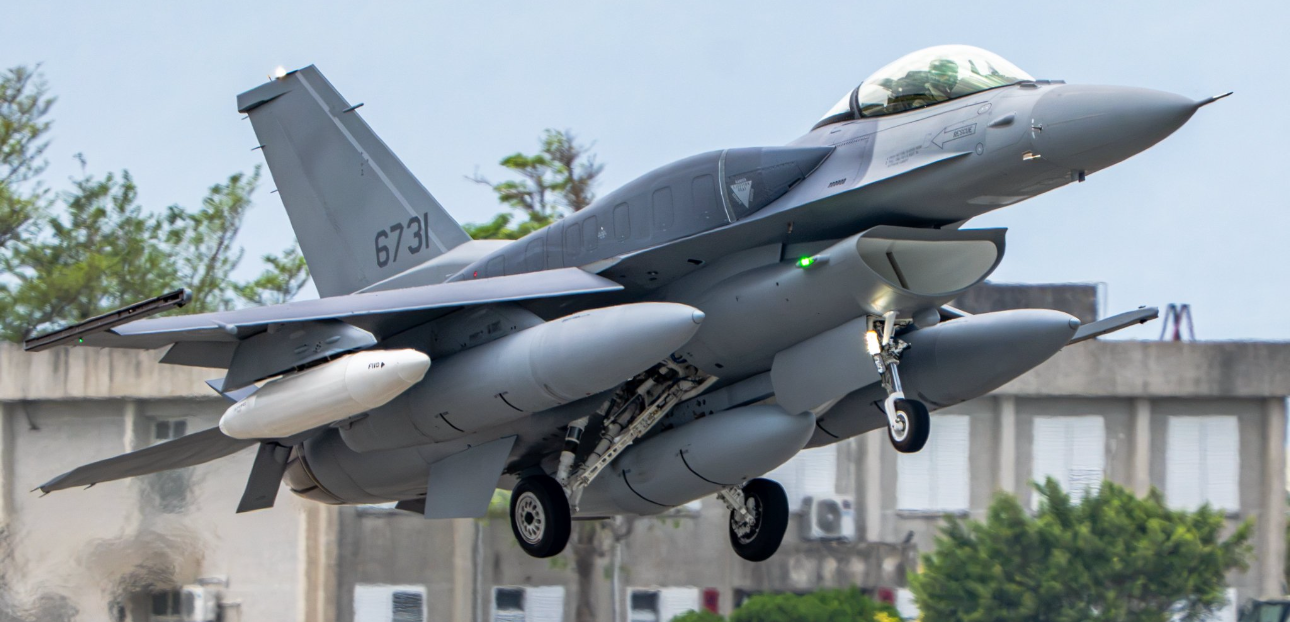
The Republic of China Air Force has received a second batch of three F-16C/D Block 70 fighter aircraft purchased from the United States, as deliveries continue under a major program intended to modernise its combat fleet. The aircraft, numbered 6729, 6731 and 6732, arrived at Chihhang Air Base in Taitung County on November 8, landing at approximately 11 a.m. local time, according to the Air Force. The latest delivery brings the total number of aircraft received under the program to five, following the arrival of the first two fighters on October 2. The three aircraft departed from Lockheed Martin’s production facility in South Carolina earlier in November and reached Hawaii on November 4.
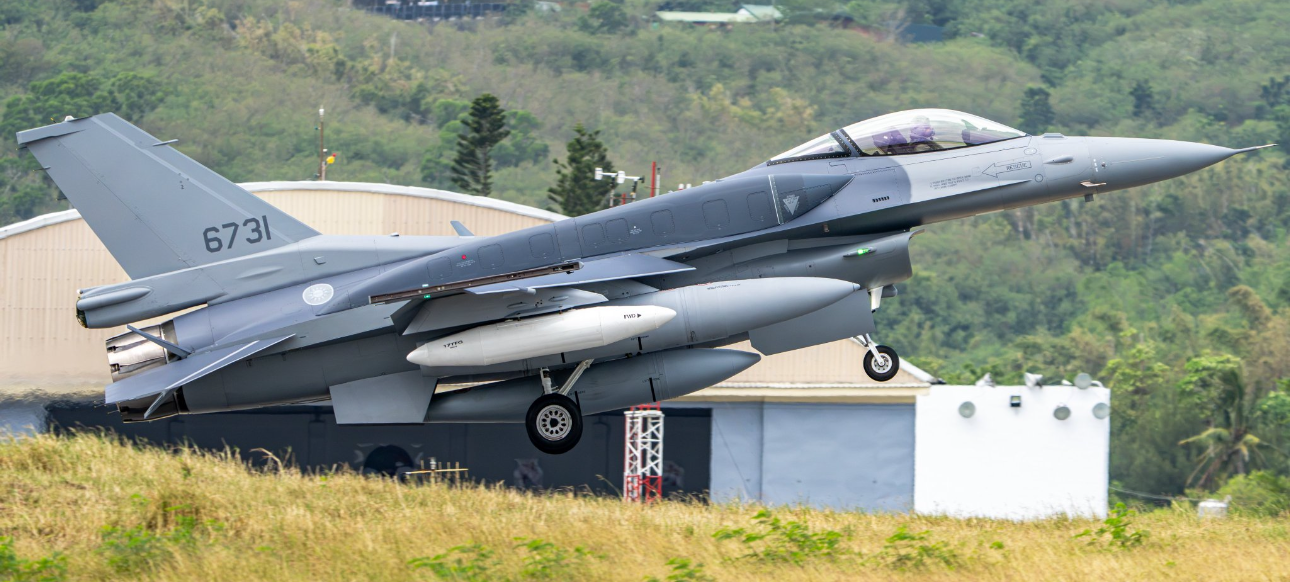
The United States approved the sale of 66 F-16C/D Block 70 fighters and associated equipment to the Republic of China in 2019, under a contract valued at approximately $8.2 billion. Deliveries were initially expected to begin in 2023 and conclude by 2026, but a wide range of production and technical problems have delayed this. The Republic of China Ministry of National Defence in July confirmed that it was seeking compensation from the United States and the manufacturer of its new fighters Lockheed Martin. The sale contract did not contain financial penalty provisions, however. The Republic of China Ministry of National Defense previously attributed some of the difficulty to the fact that the configuration ordered incorporated a new combination of systems requiring extensive flight testing and calibration.
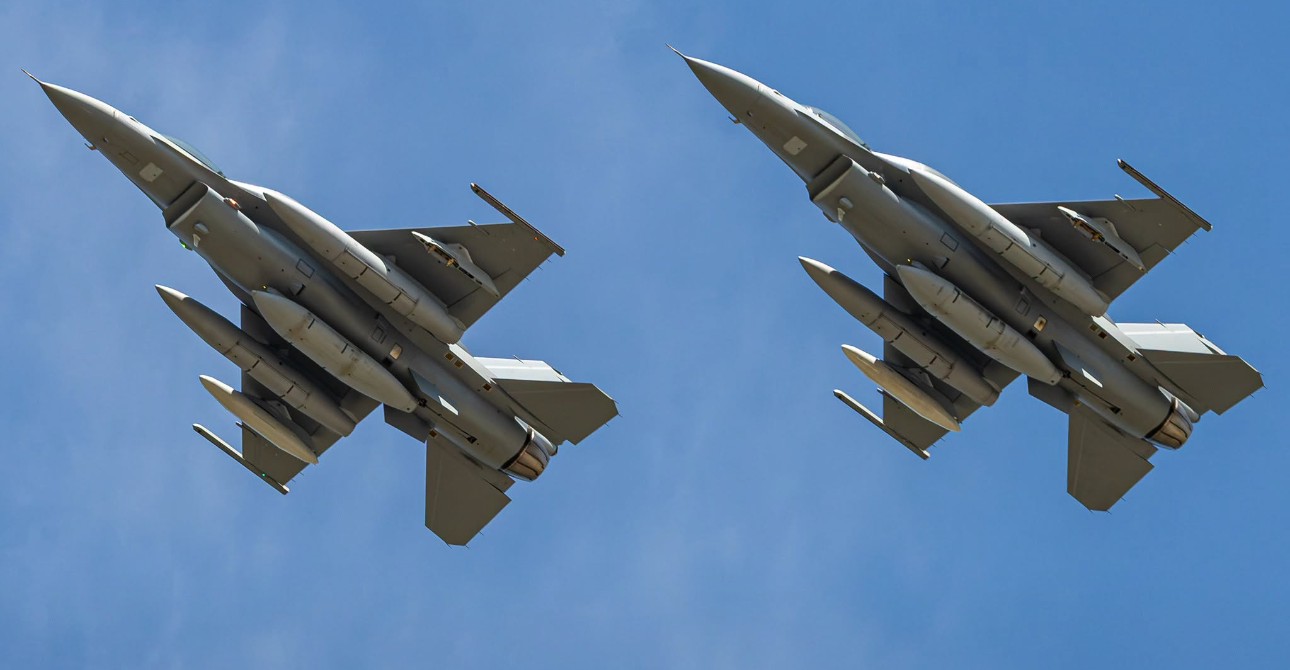
Compensation claims over delayed F-16 deliveries are far from unprecedented, with Premier Cho Jung-tai having in October 2025 stated that the government did not rule out “taking legal action against the manufacturer.” The deliveries are far from isolated, with outstanding backlogs of undelivered U.S. equipment to the Republic of China Armed Forces having in December 2025 reached over $21.45 billion. More broadly, equipment deliveries to multiple defence clients have been delayed considerably due to major industrial constraints in the United States, with this having been exacerbated by the U.S. Armed Forces’ own shortages due to the war effort against Iran. An example was the indefinite suspension of the delivery of Japan’s first 400 RGM-109 Tomahawk cruise missiles, due to serious shortages of the missiles in the U.S. Navy. The Japanese government Board of Audit revealed in January that military equipment worth approximately 1.1 trillion yen ($6.9 billion) purchased from the U.S. under the Foreign Military Sales program more than five years ago had yet to be delivered.
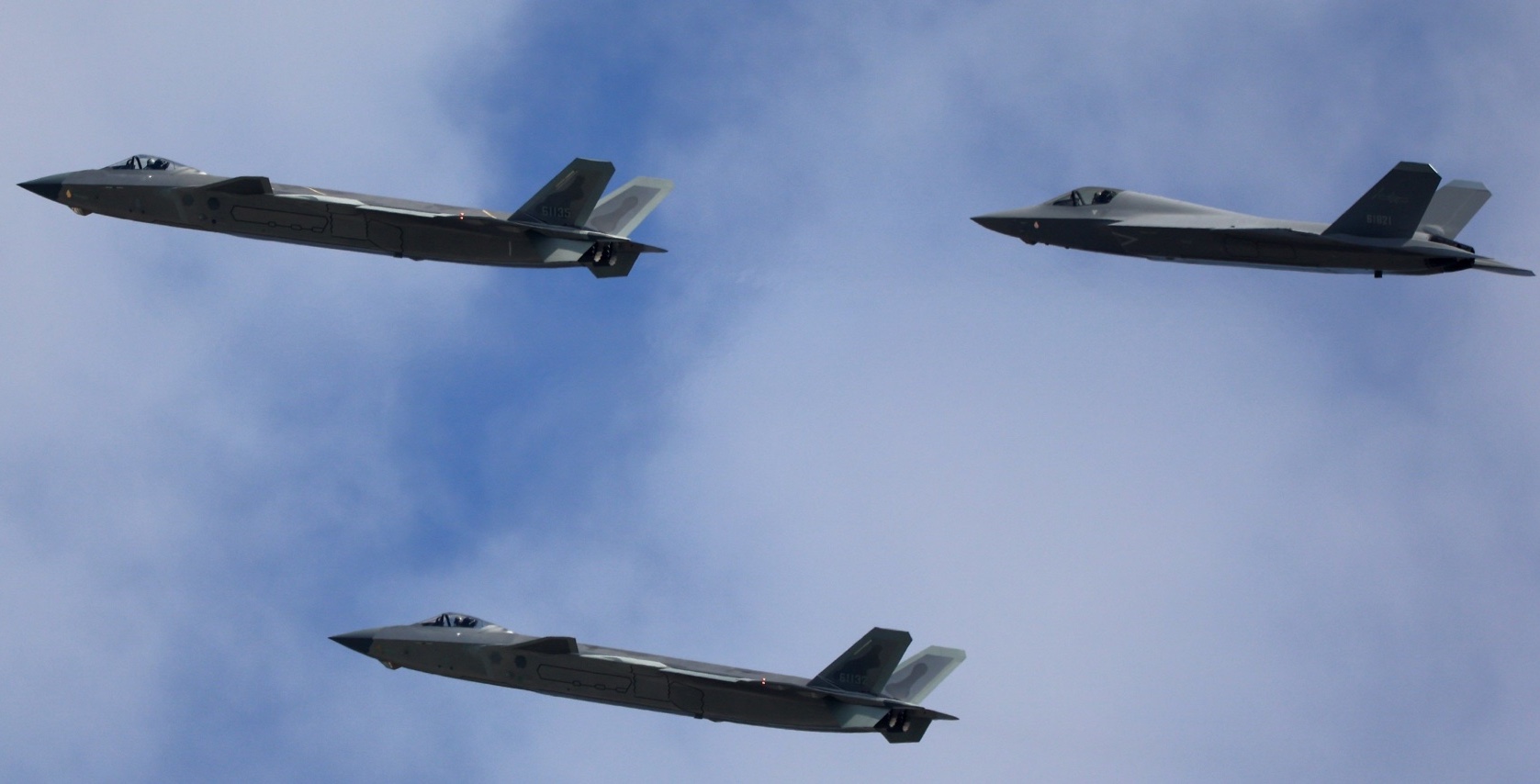
The Republic of China is the only developed economy to have ordered F-16s in the last decade, with the decision to procure the aircraft having been made after persistent efforts to oder the F-35 fifth generation fighter consistently failed. The Republic of China’s status as effectively a non-state actor, due to its almost total lack of international recognition, has been a primary factor in this, with the United States continuing to recognise the Beijing-based People’s Republic of China (PRC) as the sole legitimate Chinese government. The PRC has developed its own fifth generation fighters, most notably the J-20 air superiority fighter, and is scheduled to introduce the world’s first sixth generation fighters into service around 2030. The F-16s being delivered are thus largely obsolete before they have even been delivered, with the procurement of the aircraft largely reflecting a lack of alternative options.
