
Republic of China Defence Ministry Seeks U.S. Compensation Over Extreme Delays to F-16 Deliveries
Military Watch Magazine Editorial Staff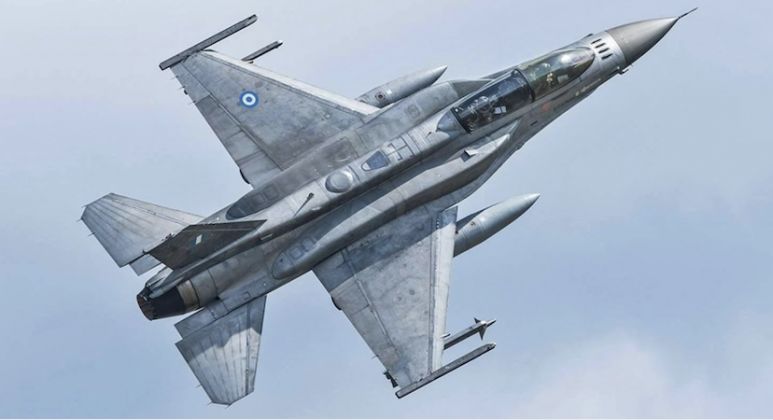
F-16D Fighter
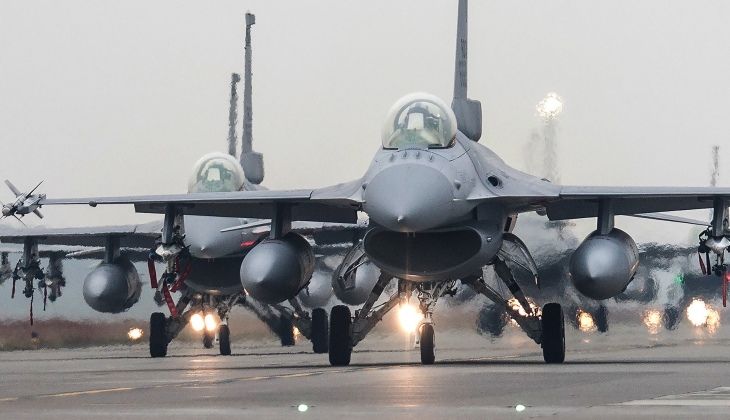
The Republic of China Ministry of National Defence has confirmed that it is seeking compensation from the United States and the manufacturer of its new F-16 Block 70 fighters, Lockheed Martin, due to repeated delivery delays. Air Force officials have indicated that compensation may come in the form of technical support, spare parts, or extended warranties rather than direct financial payments. The Ministry signed an agreement to purchase 66 F-16 Block 70 fighters under an $8.2 billion contract in 2019, with the original delivery schedule calling for all aircraft to be delivered by the end of 2026. Only two aircraft have been handed over, with both remaining in the United States.
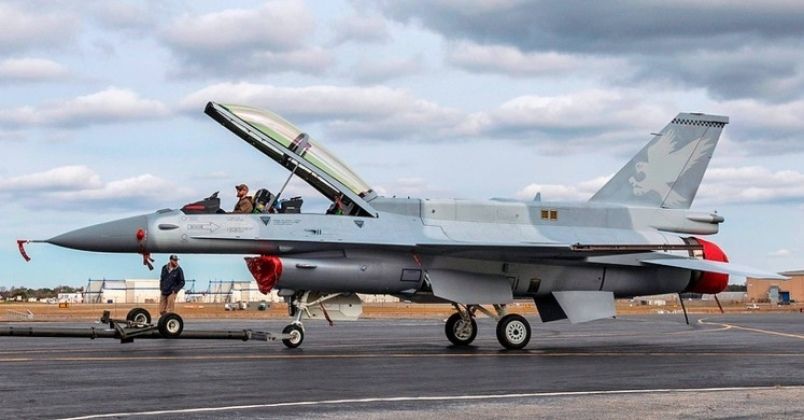
According to Lieutenant General Lee Ching-ran, Chief of Staff of the Air Force Command, the first aircraft is now expected to arrive at Republic of China Air Force facilities only in September 2026, representing a substantial postponement from the original timeline. Speaking before legislators this week, Lee confirmed that Taipei has repeatedly raised the issue with U.S. authorities and has requested assistance from the U.S. government in pursuing compensation from the aircraft manufacturer. He noted that compensation is not necessarily limited to monetary reimbursement and could instead consist of additional technical services, spare parts, maintenance support, or extended warranty coverage.
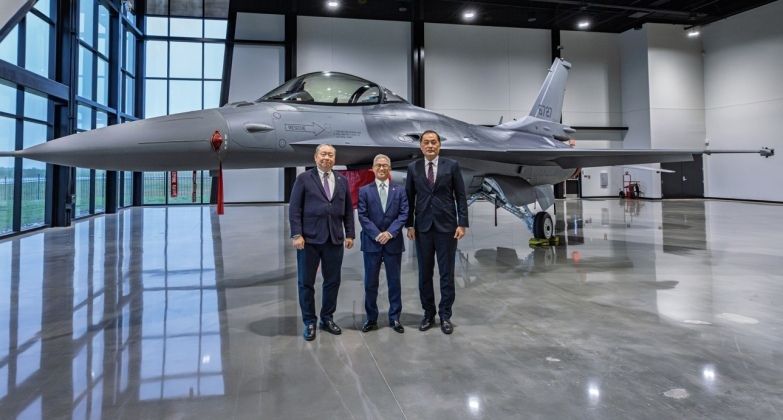
Speaking during the legislative hearing, Lee observed: “There are many ways to seek compensation.” He stressed that the current priority remained obtaining practical support that would improve long-term operational readiness, rather than simply receiving cash payments. Such compensation packages are relatively common in major defence procurement contracts when significant delays occur, particularly when the purchasing nation incurs additional costs or operational impacts as a result of postponed deliveries. Extra spare parts, engineering support, software upgrades, maintenance assistance, or longer warranty periods can provide greater long-term value than direct financial compensation by reducing lifecycle operating costs and improving aircraft availability.
Compensation claims over delayed F-16 deliveries are far from unprecedented, with Premier Cho Jung-tai having in October 2025 stated that the government did not rule out “taking legal action against the manufacturer.” He noted, however, that the deal was executed through the U.S. Foreign Military Sales process which does not provide for direct compensation claims. “Only under Direct Commercial Sales could we pursue such claims,” the minister added, noting that plans were nevertheless underway to request repayment for the delayed delivery period. The deliveries are far from isolated, with outstanding backlogs of undelivered U.S. equipment to the Republic of China Armed Forces having in December 2025 reached over $21.45 billion.
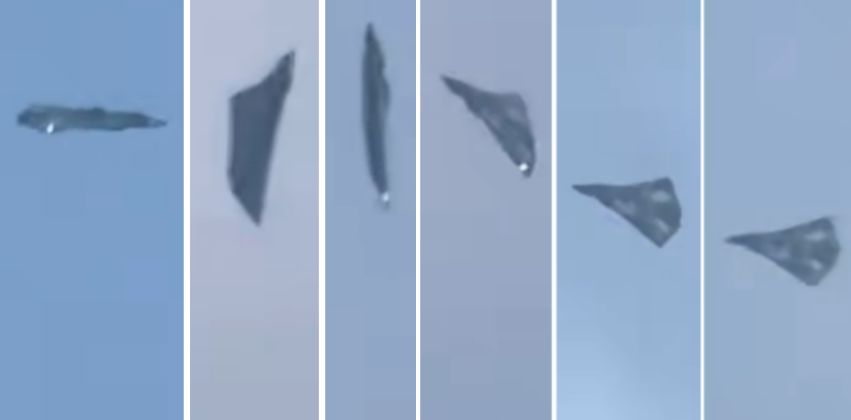
The Republic of China Air Force’s procurement of F-16s follows a prior order for 140 F-16A/B Block 20 fighters in 1992, and occurs at a time of high tensions in the Taiwan Strait and rapid modernisation of the Chinese People’s Liberation Army Air Force. The two Chinese governments have remained in a state of civil war for over 70 years, with the People’s Republic of China having developed multiple types of fifth generation fighters and currently leading the world in sixth generation fighter development. The Republic of China Air Force by contrast has relied on procuring ‘4+ generation’ fighters from the United States, ensuring that the balance of power increasingly favours its primary adversary.
