
New F-16 Block 70 Fighters Face Operational Testing on Taiwan: Electronic Warfare Systems Under Scrutiny
Military Watch Magazine Editorial Staff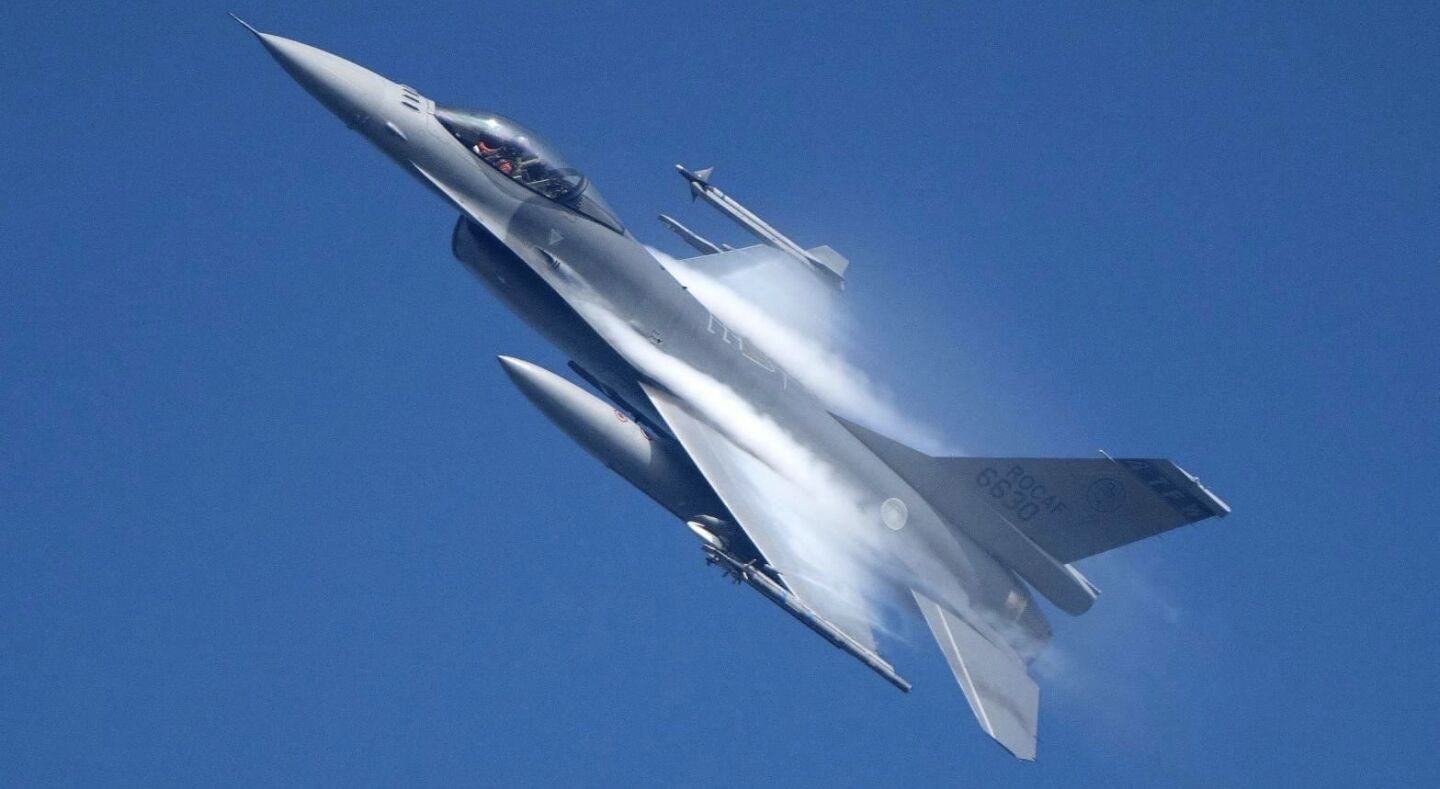
Republic of China Air Force F-16A/B Block 20 Fighter
The Republic of China Air Force’s first two new-build F-16V Block 70 fighters, serial numbers 6727 and 6728, arrived at Chihhang Air Base in Taitung, Taiwan Island, on October 2, marking the beginning of the service’s acceptance and integration process for 66 of the aircraft purchased from the United States. The aircraft were jointly handed over by Republic of China and U.S. personnel following their arrival, with the remaining aircraft currently at various stages of production and delivery in the United States. Sixty-six fighters were ordered under an $8.2 billion contract in 2019, with the first delivery having occurred over six years later due to major delay sin the United States.
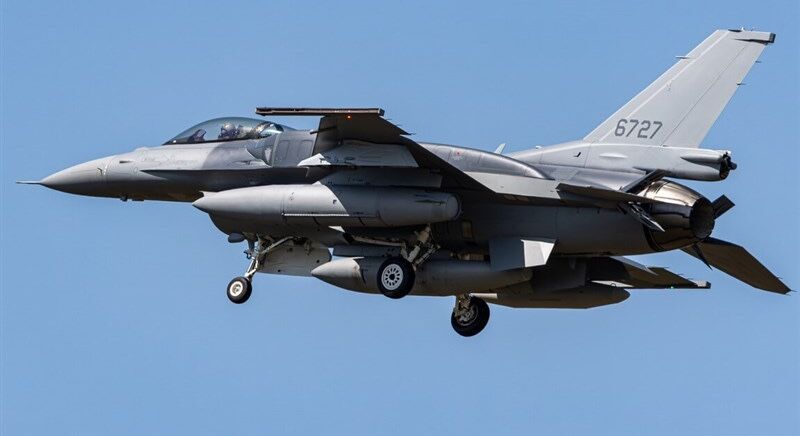
The arrival of the new fighters has attracted particular attention because of questions surrounding the aircraft’s AN/ALQ-254(V)1 Viper Shield electronic warfare system. The new Block 70 fighters were ordered with the system, but its development and production schedule contributed to delays in the program, with L3Harris announcing in September that production of the first 35 Viper Shield systems had been completed. The system is intended to provide digital electronic warfare and self-protection capabilities against modern radar and missile threats.
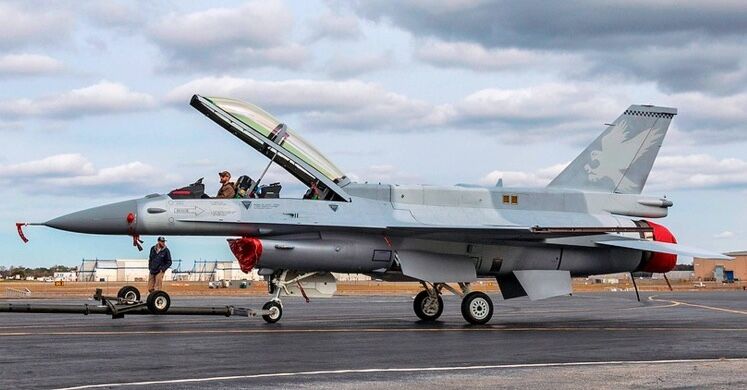
Taiwan-based military commentator Chang Ching has argued that attention should now shift from the question of when Viper Shield will be installed to the operational testing and evaluation required before the aircraft can enter regular combat service. He argues that, because the F-16 is a mature combat aircraft and the Block 70 represents an evolutionary development rather than a fundamentally new airframe, the appropriate process would be Follow-on Operational Test and Evaluation, or FOT&E. The F-16 has been in service since 1978, and other than the F-15 it is the oldest fighter type in production anywhere in the world. The type’s longevity was initially expected to make production and deliveries more straightforward.
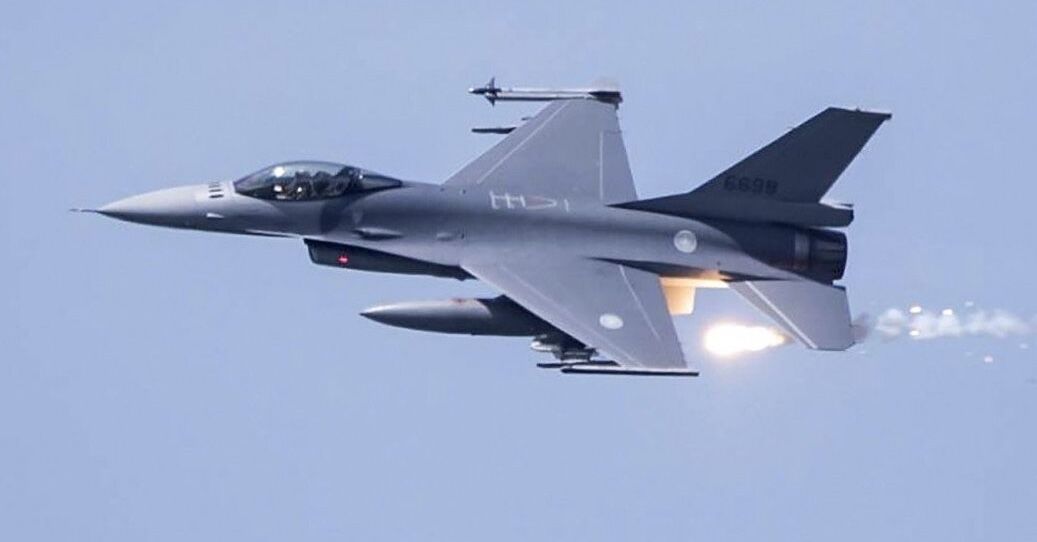
Chang has also questioned whether the Air Force should necessarily replace the electronic warfare configuration used by its upgraded F-16V aircraft with the AN/ALQ-254(V)2 external Viper Shield pod. He argues that there is currently insufficient evidence to conclude that the existing radar warning and electronic warfare equipment used by the upgraded aircraft is inherently inferior to the Viper Shield configuration, and that a more detailed assessment of the respective capabilities would be required before drawing conclusions about the merits of such a change.
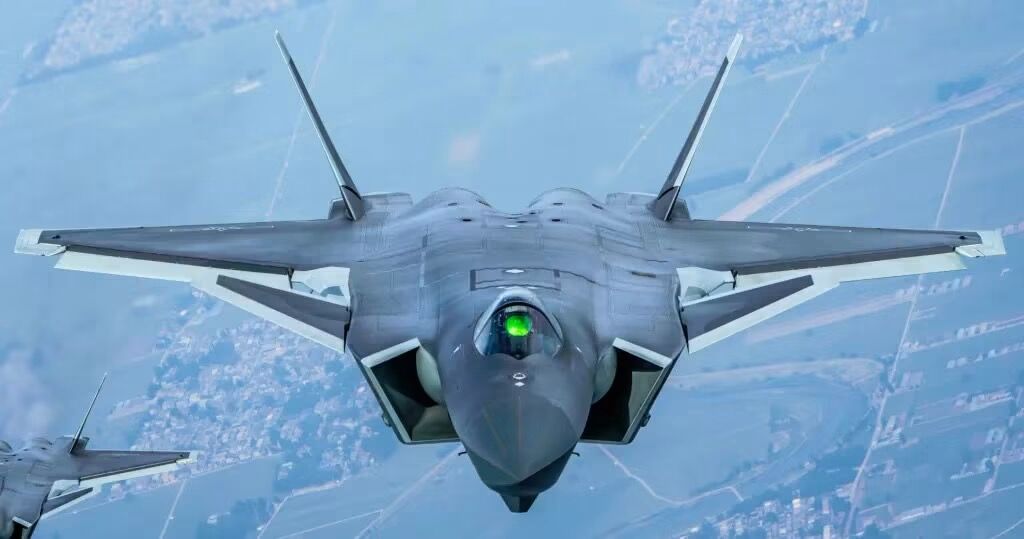
The Viper Shield issue is also notable because the Republic of China Air Force’s existing upgraded F-16V fleet uses a different electronic warfare configuration. The Republic of China’s defence sector completed the modernisation of approximately 140 F-16A/B Block 20 fighters to the F-16V standard in 2023, while the new Block 70 aircraft represent a separate procurement of factory-new fighters. While the F-16V and F-16 Block 70 have significant similarities, there are also notable differences in their electronic warfare requirements or configurations. Electronic warfare capabilities are particularly critical for the F-16s as almost the only means the aircraft have to enhance survivability against radar guided missile attacks, with the fighters being overwhelmingly outmatched by advanced Chinese People’s Liberation Army Air Force fighters such as the fifth generation J-20, and the service’s upcoming sixth generation fighters.
