
Iran War’s Extreme Depletion of U.S. Missile Stockpiles Forces Extreme Delays to Critical Exports
Military Watch Magazine Editorial Staff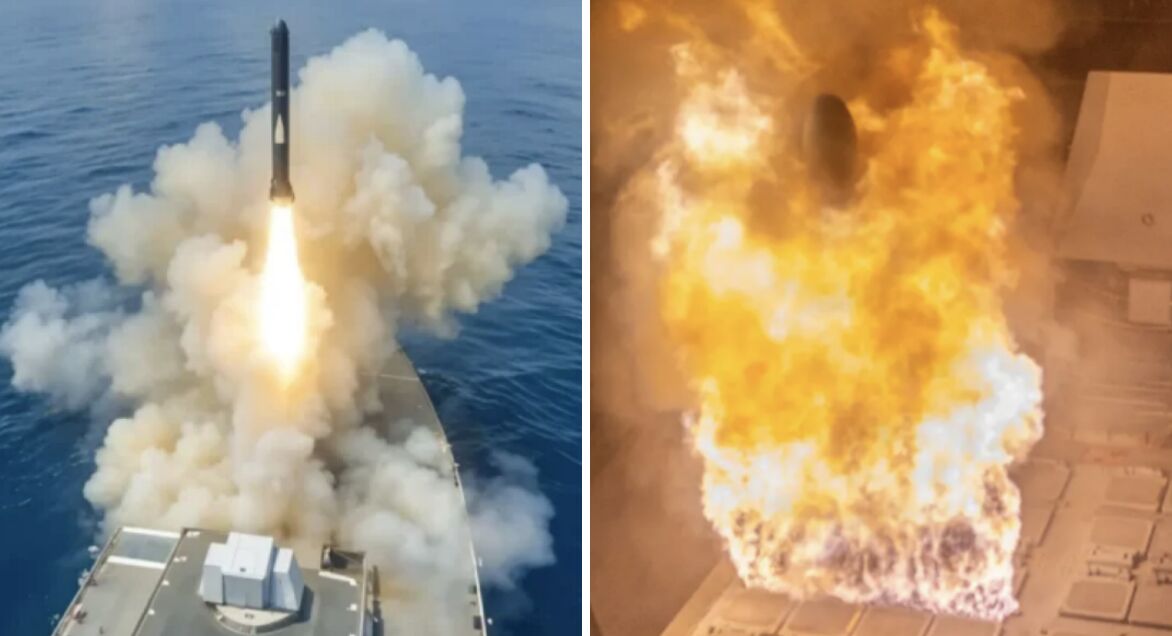
U.S. Navy Tomahawk Cruise Missile Launches Against Iran
The United States has warned several clients for its defence productions that deliveries of key missiles and air defence systems could face delays of up to five years, as the American defence sector works to replenish weapons stocks depleted during the war with Iran. The warnings highlight growing pressure on the U.S. defence industrial base, which is simultaneously supporting American operations in the Middle East, supplying Ukraine and fulfilling longstanding orders from partners in Europe and East Asia. This follows years of delays predating the war against Iran affecting multiple clients, resulting in long backlogs of undelivered equipment.
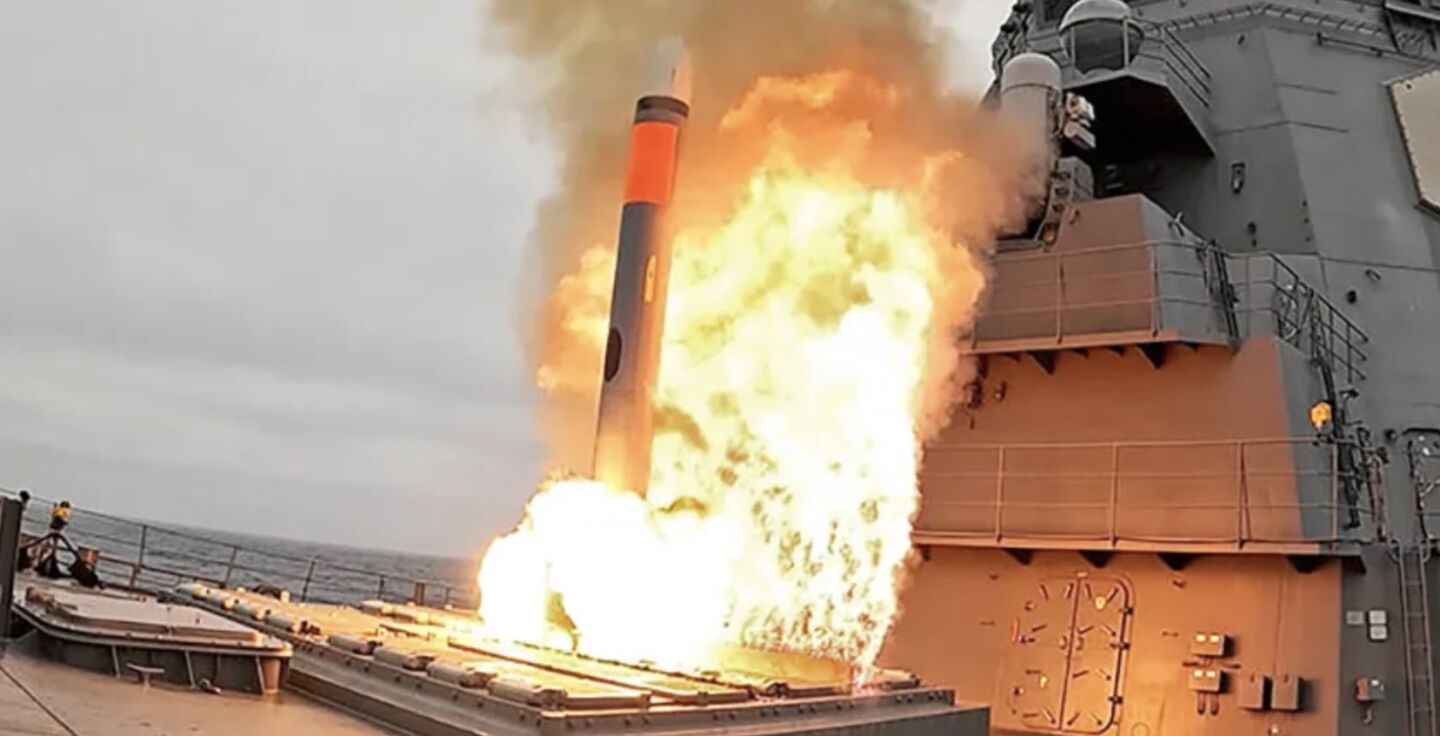
The United States in May indefinitely suspended the delivery of Japan’s first 400 RGM-109 Tomahawk cruise missiles, due to serious shortages of the missiles in the U.S. Navy. Asia security expert at the American Enterprise Institute Zack Cooper observed: “Despite repeated promises from top administration officials that they would prioritise Asia, the Pentagon is now giving precedence to the Middle East... Given the lengthy timelines for munitions production, Asian allies and partners will continue to feel the impact of the Iran war long after it ends.” The U.S. Navy was by the final week of March estimated to have expended close to 1,000 of Tomahawk cruise missiles, of a total arsenal of between 3,000 and 4,500 in its total inventory.
Japan had faced serious issues with deliveries long before the war began, with the Japanese government Board of Audit having revealed in January that military equipment worth approximately 1.1 trillion yen ($6.9 billion) purchased from the U.S. under the Foreign Military Sales program more than five years ago had yet to be delivered. This was far from isolated, with acting U.S. Secretary of the Navy Hung Cao having on May 22 confirmed that the delivery of $14 billion worth of defence equipment to the Republic of China Armed Forces had been temporarily suspended. Outstanding backlogs of undelivered U.S. military equipment to the Republic of China Armed Forces had by December 2025 already reached over $21.45 billion.
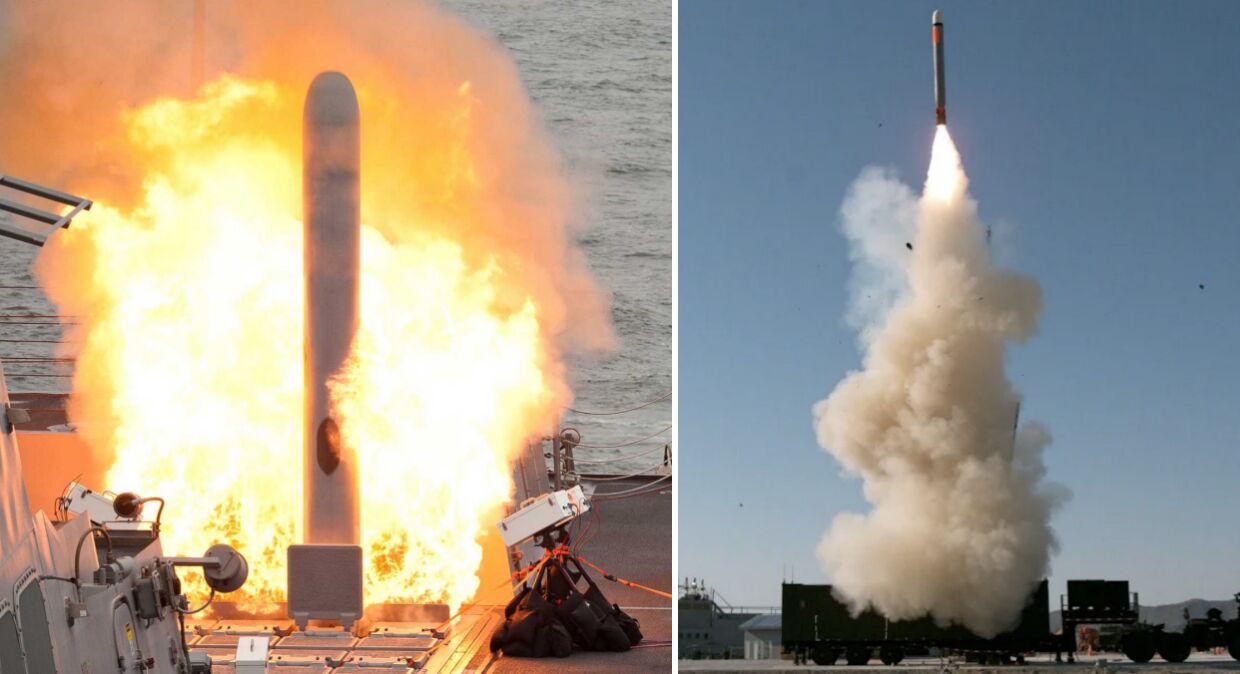
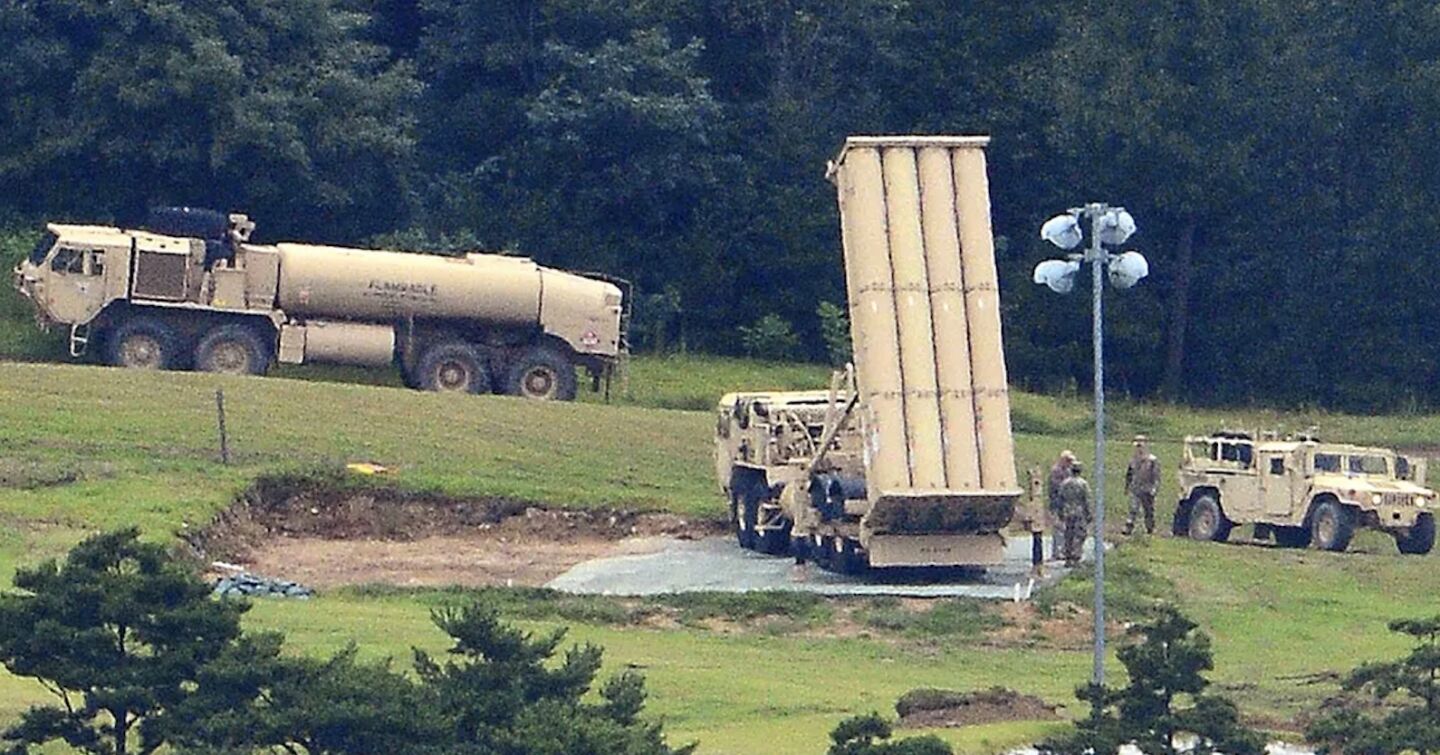
Germany is among the countries seeking to accelerate deliveries of American long-range weapons, and has requested an expedited supply of Tomahawk cruise missiles and the ground-based Typhon systems. However, Raytheon, the RTX subsidiary responsible for producing Tomahawk, is reportedly unlikely to fulfil Germany’s request within the next five years because of constraints on U.S. missile inventories and production capacity. The fallout from the war with Iran has seriously depleted stockpiles of multiple types of armaments, with types that were particularly exhausted including Precision Strike Missiles (PrSM), Patriot, THAAD, SM-3, and SM-6 air defence interceptors, and GBU-57 penetrative bombs, among others.
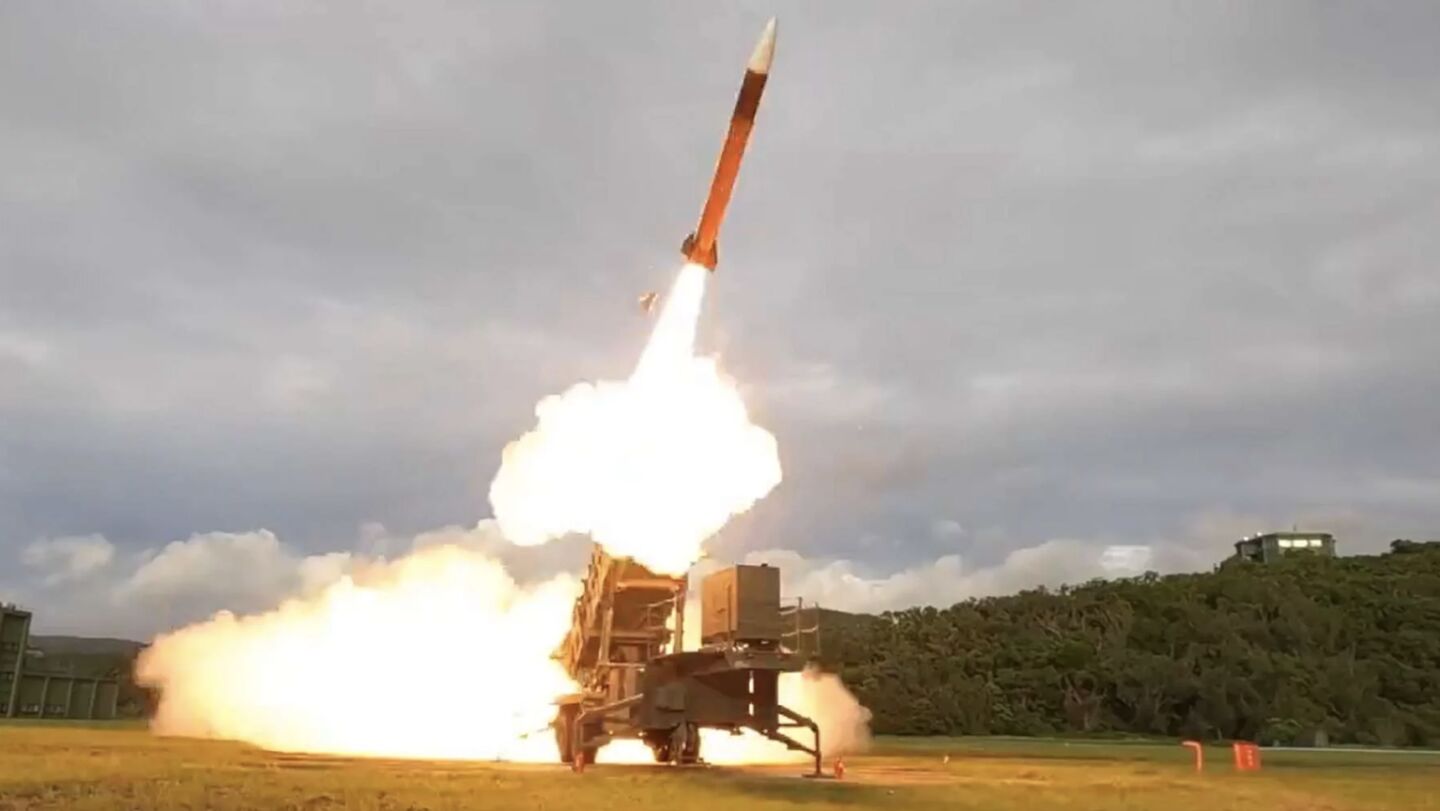
The depletion of missile-defence weapons, in particular the Patriot and THAAD systems, is particularly consequential because there are fewer readily available substitutes. Analysts have consequently warned that replenishing stocks is fundamentally constrained by production time rather than simply by the availability of funding. Lockheed Martin is working to increase annual production of PAC-3 MSE interceptors from roughly 600–650 to as many as 2,000 by 2030, reflecting broader trends in efforts to surge armaments production in the U.S. and wider Western world.
