
U.S. Lost One Aircraft Per Day During War with Iran: Congressman Confirms 39 Destroyed
Military Watch Magazine Editorial Staff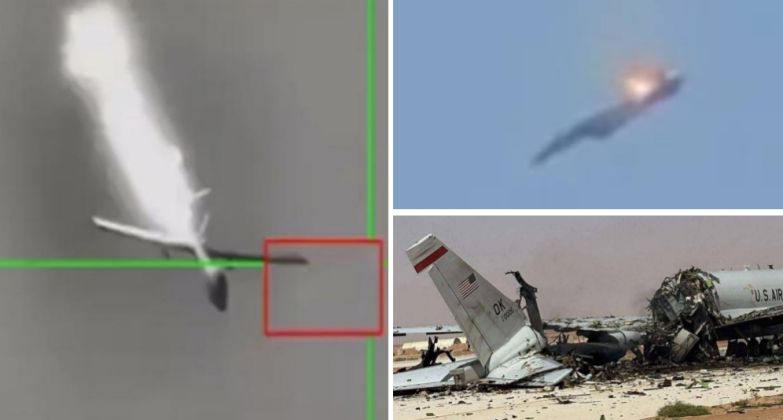
Destruction of U.S. MQ-9, F-15E and E-3 Aircraft During Iran War
United States Congressman Ed Case has during a special Senate committee hearing confirmed that the United States lost 39 aircraft during hostilities with Iran which began on February 28. Questioning Pentagon Chief Financial Officer Jay Hurst about the extent of losses suffered during the conflict, Case asked whether the Pentagon had calculated “a retention cost on all those aircraft.” Alongside the destruction of 39 aircraft, a further 10 sustained varying levels of damage. Prior estimates for the extent of U.S. losses varied widely but were consistently high at several dozen. This has added to a long list of controversies surrounding the war effort. Others have included the extreme depletion of U.S. munitions, which is expected to take several years to fully recover from, and the failure to significantly deplete or erode Iran’s own substantial missile arsenal or its associated infrastructure.
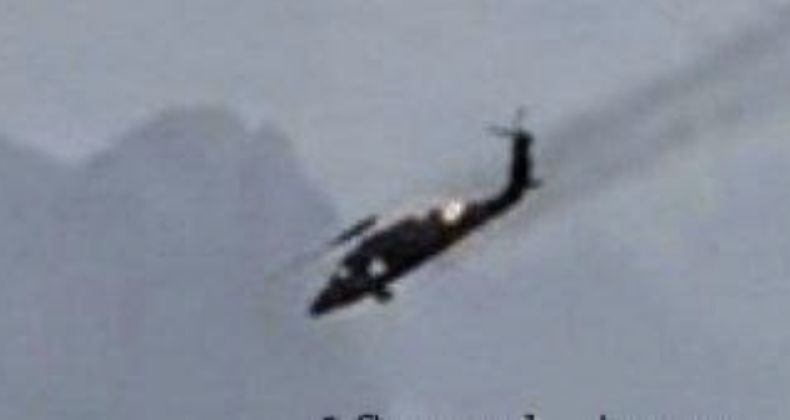
Following the shootdown of a U.S. Air Force F-15E Strike Eagle long range fighter over Iranian territory in early April, U.S. efforts to recover the two airmen that ejected and parachuted into Iran resulted in losses of nine more U.S. aircraft and one Israeli aircraft. These included HC-130J Combat King II personnel recovery support aircraft, HH-60W combat rescue helicopters, UH-60 Black Hawk transport helicopters, an A-10 attack jet and an MQ-9 drone. The rapid depletion of U.S. and Israeli beyond visual range missile arsenals was a primary factor forcing the services of both countries to operate closer to or within Iranian airspace to use lower cost and more abundant gravity bombs, posing significantly greater risks.
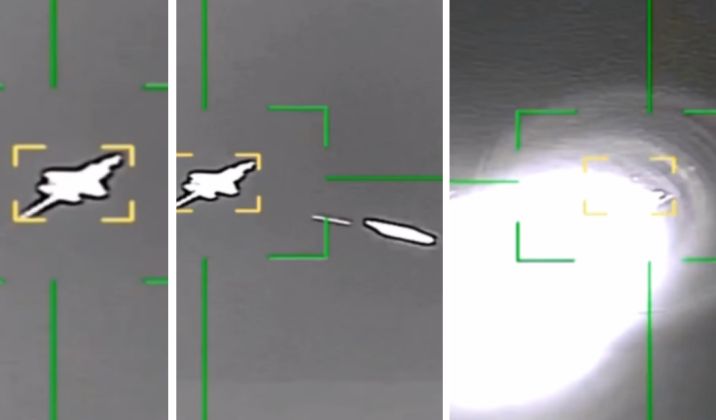
One of the most notable losses suffered by U.S. forces was that of an E-3 Sentry airborne warning and control system (AWACS), one of the most high value aircraft in the U.S. Air Force, which was destroyed at Prince Sultan Air Base in Saudi Arabia in an Iranian strike in late March. The E-3 is expected to be particularly challenging to replace, with funding to produce the Air Force’s first post-Cold War airborne early warning systems, E-7 Wedgetails, having only been approved in early March, while a long queue remains to receive the aircraft. On March 19 Iranian air defences achieved the first ever confirmed missile hit on a flying fifth generation fighter, a U.S. Air Force F-35A, which damaged the aircraft sufficiently to cause shrapnel wounds to the pilot. It remains uncertain whether the aircraft was considered damaged or destroyed.
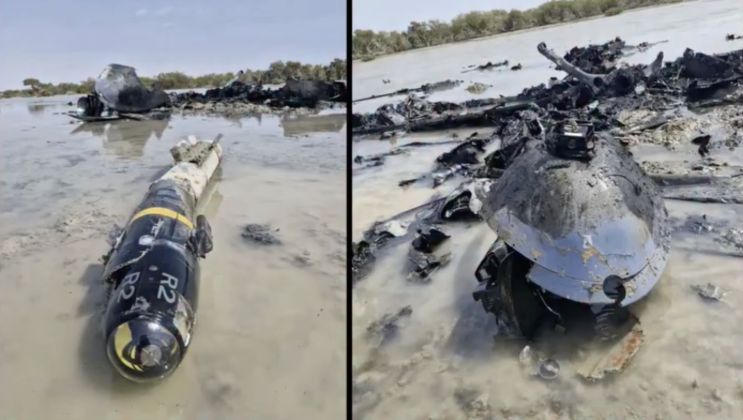
Iranian shootdowns of MQ-9 Reaper drones accounted for the bulk of U.S. losses in the air, with these aircraft having been deployed deep inside Iranian airspace for missions which were too high risk for manned aircraft. Twenty-four of the aircraft are estimated to have been shot down during the conflict, with the drones being far from expendable at a cost of close to $150 million each. A U.S. Navy MQ-4C Triton unmanned reconnaissance aircraft valued at close to $250 million was also reported to have been shot down during the subsequent ceasefire period. Although the economic and strategic implications of depleting U.S. munitions stockpiles far exceed the implications of aviation losses during the war against Iran, the conflict has posed unprecedented challenges to U.S. air dominance, with the Iranian Islamic Revolutionary Guard Corps’ ability to target aircraft at airfields across the Middle East using missiles at drones having been a central part of this.
