
NATO Abandons Much Needed ‘Flying Radar’ Procurement Plan as U.S. Withdraws Funding Support
Military Watch Magazine Editorial Staff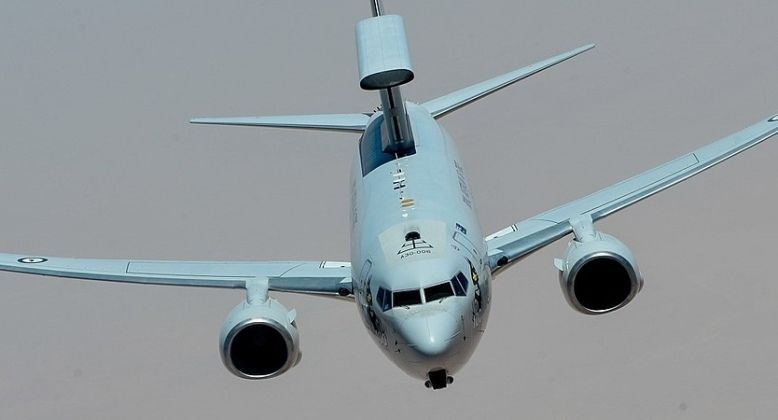
E-7 Wedgetail AEW&C System
NATO has formally abandoned plans to procure Boeing E-7 Wedgetail airborne early warning and control (AEW&C) systems, marking a further blow to the program after both the U.S. Air Force and the Republic of Korea Air Force terminated their own plans to place orders for the aircraft. The cancellation of planned E-7 procurements was announced by the Netherlands Ministry of Defence announced November 13, two years after a consortium of seven NATO allies including Belgium, Germany, Luxembourg, the Netherlands, Norway, Romania, and the United States were announced in November 2023 to have made the decision to procure six of the aircraft. The U.S. withdrew from the NATO consortium supporting the E-7 purchase in July, with the Defence Ministry reporting that without Washington’s backing “both the strategic and financial foundations were lost.”
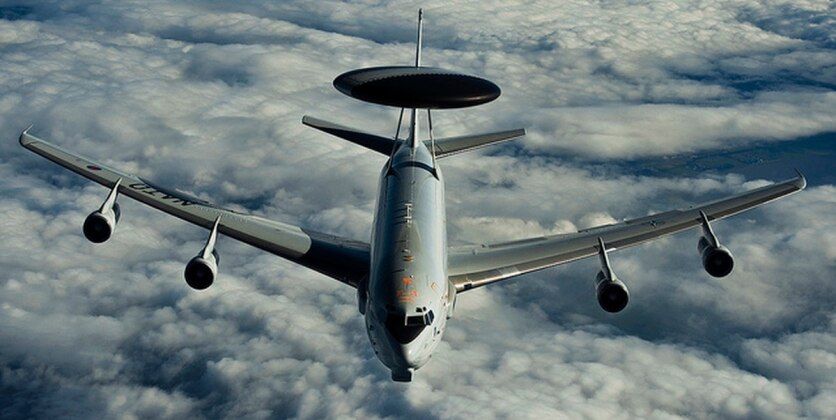
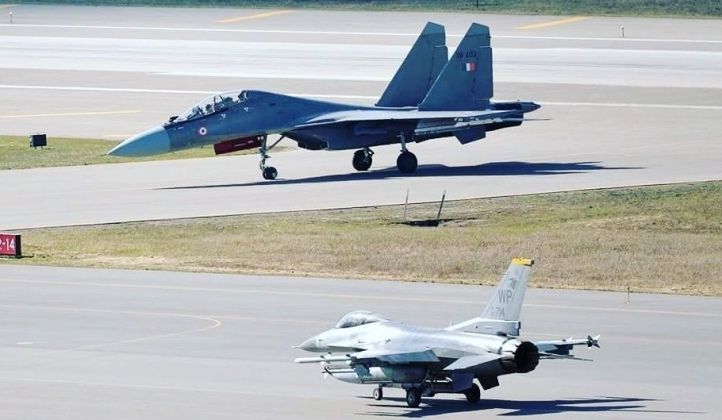
The need for the E-7 is considered particularly urgent due to the growing obsolescence of NATO’s fleet of E-3 Sentry AEW&Cs. Other than China’s KJ-500 and KJ-3000 systems, no other AEW&Cs are considered to have comparable performances to the E-7, with the E-3’s radars considered far from viable to track low radar cross section targets, such as Russian Kh-101 cruise missiles, particularly under electronic interference. The age of the E-3 airframes has also limited their availability rates as they are increasingly worn out by four decades of use. AEW&Cs are considered particularly important for NATO members due to the much smaller radars sizes of Western fighter aircraft compared to their Chinese and Russian counterparts. The F-16 which forms the backbone of the alliance’s fleets, for example, carriers a radar close to a quarter of the size of those of the Russian Su-30SM and Su-35S, which makes support from the large sensors carried by AEW&C systems critical.
The U.S. Department of Defence early June announced to cancel the planned procurement of the E-7, at a time when the U.S. Air Force faces a mounting crisis over its inability to afford much needed new generations of armaments to replace ageing Cold War era equipment. The importance of replacing the E-3 was previously highlighted by commander of the U.S. Pacific Air Forces General Kenneth Wilsbach, who noted in March 2022 shortly after the first encounter with Chinese J-20 stealth fighters was confirmed: “our early warning aircraft could not see the J-20… Those sensors that we rely on on the E-3 aren’t really capable in the twenty-first century especially against a [stealth] platform like the J-20 or something similar to that. It just can’t see those platforms far enough out to be able to provide an advantage to the shooters.” “That’s why I would like to have the E-7,” he added.
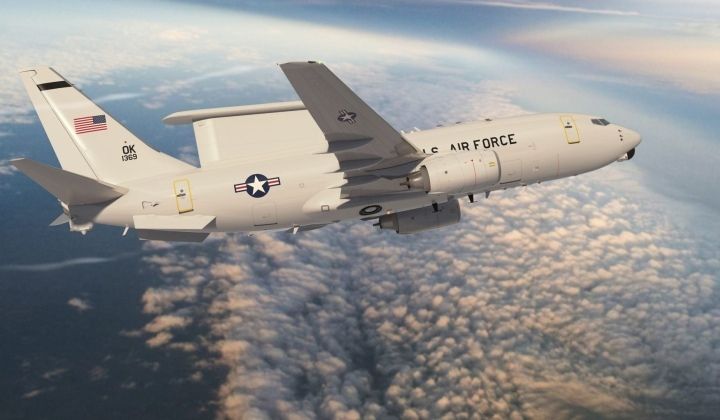
Although the lack of similarly advanced adversary fighters makes the need for E-7s appear less urgent in the European theatre, Russia continues to make progress towards fielding a sizeable fleet of stealth fighters and drones by the mid-2030s. A new variant of the Su-57 fighter, the Su-57M1, is expected to enter service before 2030 with much improved stealth capabilities, alongside the S-70 unmanned stealth fighter, which could be followed by the late 2030s by PAK DP stealth bombers. In the Untied States, the cancellation of planned E-7 procurements has been widely criticised both for its potential to seriously erode the U.S. Air Force’s future ability to track Chinese stealth fighters in the Pacific, and due to its very significant implications for the defence of American airspace, in particular over Alaska. The utility of AEW&C systems has gained growing attention due to their reported effective use both by Russia in the Ukrainain theatre, and by Pakistan to facilitate shootdowns of Indian fighters in May 2025.
