
The U.S. Air Force’s New Plan For 30 Percent Fighter Fleet Expansion is Totally Unaffordable
Military Watch Magazine Editorial Staff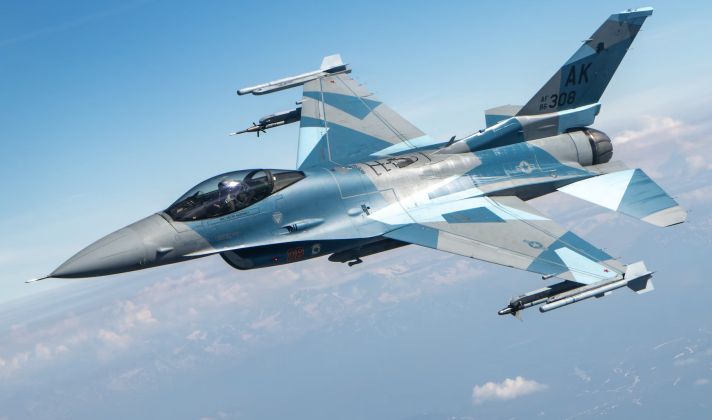
F-16 Fourth Generation Fighter
USAF
The U.S. Air Force’ new fighter plan calls for a 30 percent increase in the number of fighter aircraft in service, which has been criticised as unrealistic by both analysts and former service leaders due to acute funding shortages. “USAF requires 1,558 manned, total combat-coded aircraft inventory fighters to achieve low risk to resourcing, executing, and sustaining combat operations,” the service made clear in a recent report to Congress, adding that its goal “over the next 10 years is to increase overall fighter capacity and capability by revitalising the legacy fighter fleet through increased sustainment funding … and procuring F-15EX, F-35A, and F-47.” Retired Lieutenant General David Deptula, who had long criticised the contracting size of the fleet, observed that although “a 30 percent increase is a good start,” the Air Force had fielded 134 fighter squadrons in 1990, compared to a new goal of just 65 squadrons, and a current fleet of just 54 currently serving.
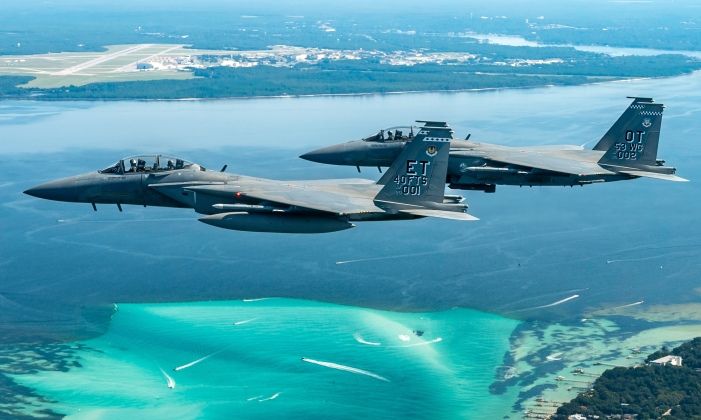
The Air Force has increasingly struggled to sustain its fighter fleet, with the service’s budget being increasingly thinly stretched between multiple major programs, many of which have suffered from significant cost overruns. The possibility of further cuts for Fiscal Year 2026 to reduce fighter procurements to just 24 F-35As was raised as a possibility by the U.S. Department of Defence, as a result of extreme budgetary strains as the sixth generation F-47, enhanced fourth generation F-15EX, and programs such as the Sentinel intercontinental range ballistic missile, B-21 bomber, and B-52J upgrade package all compete for limited funding. The urgent need to replace the E-3 airborne early warning and control system, and to update the tanker fleet with more modern and survivable aircraft, have further strained funding, which not only limits the possibility of expanding the fighter fleet, but also raises questions regarding the service’s ability to sustain current fighter numbers.
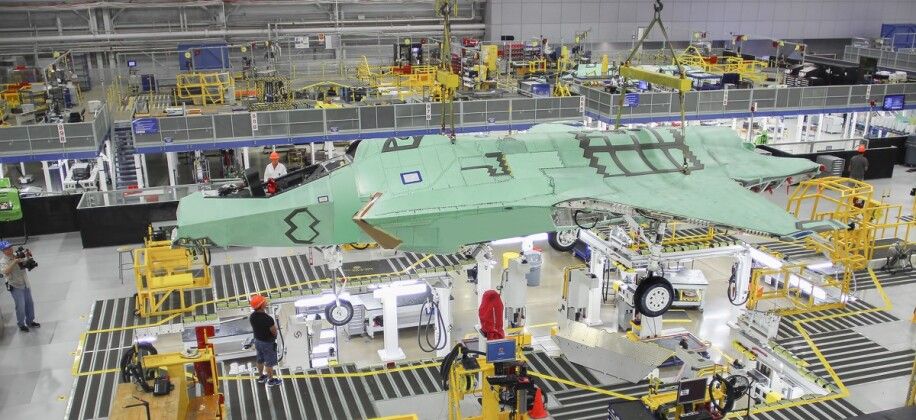
A primary factor in the Air Force’s inability to field a larger fighter fleet has been the major cost overruns affecting the F-35 program, which is the only fighter the service has procured in significant numbers over the past 15 years. While the F-35 was initially intended to have similar operational costs to the F-16, allowing the Air Force to procure close to 1800 of the fighters, its lifetime costs are by some estimates close to double those of an F-16. Aside from the issue of costs, the F-35’s maintenance requirements have also resulted in very low availability rates within the fleet, meaning as more squadrons transition to the F-35, the proportion of fighters in the fleet that are combat ready will continue to fall.
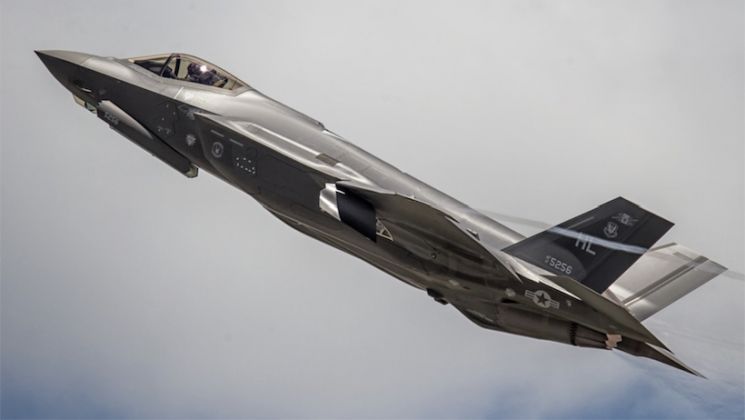
The F-35’s shortcomings resulted in a deep cut to procurement numbers, from a planned 110 fighters per year to just 24-48 per year currently. Financing the fighter’s major overruns in procurement and operational costs required the Air Force to significantly contract its overall fleet, retiring several hundred fighters ahead of schedule and without replaacement. Responding to the issues caused by the program, lawmakers and Air Force officials to allude to the possibility of procuring an enhanced variant of the Cold War era F-16, which the service ceased to acquire in 2005, in what would appear to be a desperate measure to keep up the service’s numbers, raise the fighter fleet’s average availability rates, and lower average sustainment costs. Although the Air Force has sought to economise by retiring ageing F-22 fighters, which have some of the highest sustainment costs and lowest availability rates in the fleet, such efforts have consistently been blocked by lawmakers.
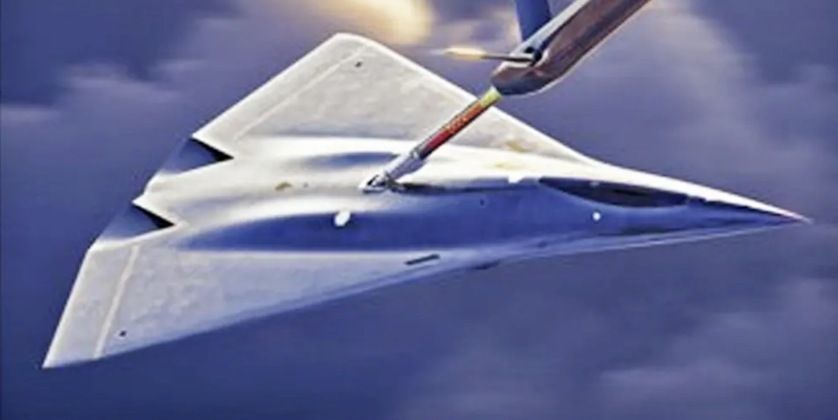
Where the F-35’s high sustainment costs caused a major contraction in the fleet, the F-47’s costs are expected to be several times higher, and are expected to force a further significant contraction in fighter numbers. The program has seen its development fall significantly behind rival Chinese fighter development efforts, while efforts to modernise and address outstanding issues with the fifth generation F-35 have continued to face serious delays, which have raised issues regarding the sufficiency of frontline units’ quality, as well a their numbers.
One response to prevailing issues has been for the Air Force to consider means of adapting its new B-21 bombers set to enter service in the early 2030s to allow them to contribute to air-to-air operations, and thus partly make up for shortfalls in the fighters fleet. The Air Force has resorted to other at times extreme measures to reduce sustainment costs, including significantly cutting flight training hours for fighter pilots, resulting in Chinese pilots now training in the air considerably longer per year than their American counterparts. While the future of the U.S. Air Force fighter fleet remains highly uncertain, the possibility for a significant expansion, or even for sustainment of current numbers, remains highly limited.
