
Russia’s Su-57 Program Heavily Shaping PAK DA Next Generation Bomber Development - Reports
Military Watch Magazine Editorial Staff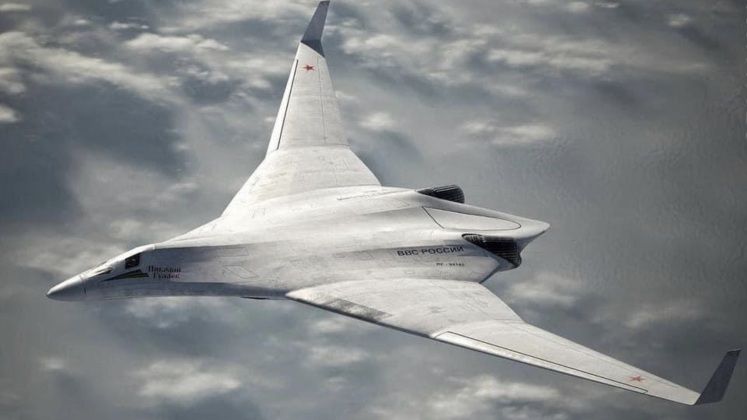
PAK DA Next Generation Bomber Unofficial Artwork
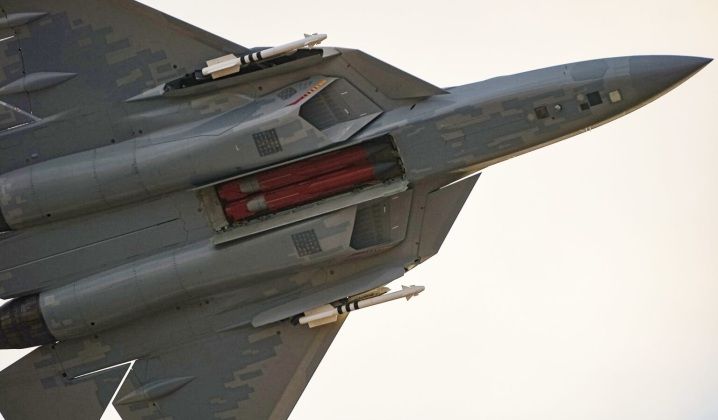
Leaked Russian government documents have indicated that the PAK DA next generation bomber program currently under development is using considerable numbers of components derived from the Su-57 fighter program. Examples include the fighter’s hydraulic actuators and geared hinges which control its internal weapon bays, with the bomber expected to also store its armaments internally to preserve its stealth capabilities. The use of Su-57 technologies to enhance bomber programs is far from unprecedented, with the Tu-22M3M medium range bomber currently using a communications system closely based on that of the new fighter, as officials cited its “high reliability, speedy information transmission, a small weight and energy efficiency.” It remains uncertain what other technologies from the Su-57 program could influence the PAK DA, although the use of low reflectivity fibreglass as a much lower maintenance alternative to stealth coatings may well be implemented on both aircraft in similar ways.
The PAK DA program has continued to suffer from significant delays, with Western sources claiming that shortages of high-precision machine tools are contributing to slowing component production. Such claims remain questionable, however, when considering the reported high access which Russia’s defence sector has had to products from China’s world leading machine tooling industry, which has heavily compensated for the effective disappearance of the Soviet machine tool industry in the 1990s. In December 2023 it was confirmed that the Russian Defence Ministry had commissioned work for the creation of a new facility dedicated to the development and testing of the PAK DA bomber. The aircraft’s design was finalised in 2019, with its next generation engine codenamed Izdeliye RF reported to have begin bench tests in 2022, and expected to use many of the same technologies as the AL-51F engine developed for the Su-57.
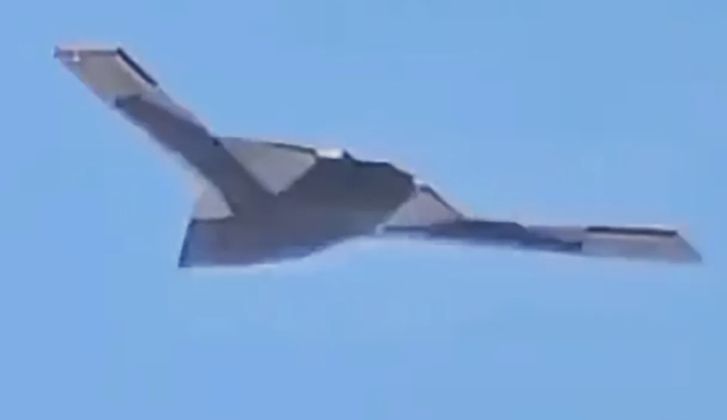
Considerable delays to the PAK DA program were a primary cause for the Defence Ministry to decide to resume production of the Tu-160 as a stopgap measure in the mid-2010s, with the new bomber now expected to enter service near the end of the 2030s. The Ukrainian Armed Forces’ successful attacks on major strategic bomber facilities across Russia on June 1 under Operation Spider’s Web has drawn renewed attention to the future of the Russian strategic aviation fleet, fuelling speculation that the major and irreplaceable losses of Tu-95MS bombers could lead to an acceleration of efforts to bring the PAK DA into production to replace them. Although the Soviet Tu-160 strategic bomber was at the end of the Cold War considered to be the world’s most capable strategic bomber type, the Russian fleet appears increasingly at risk of being left behind, with the American B-21 stealth bomber having made its first flight in November 2023, while China has flown multiple unmanned stealth designs including one that is significantly larger than the B-21.
