
U.S. Intel. Confirms Iran Has Rapidly Restored Missile Arsenal and 90 Percent of Missile Bases
Military Watch Magazine Editorial Staff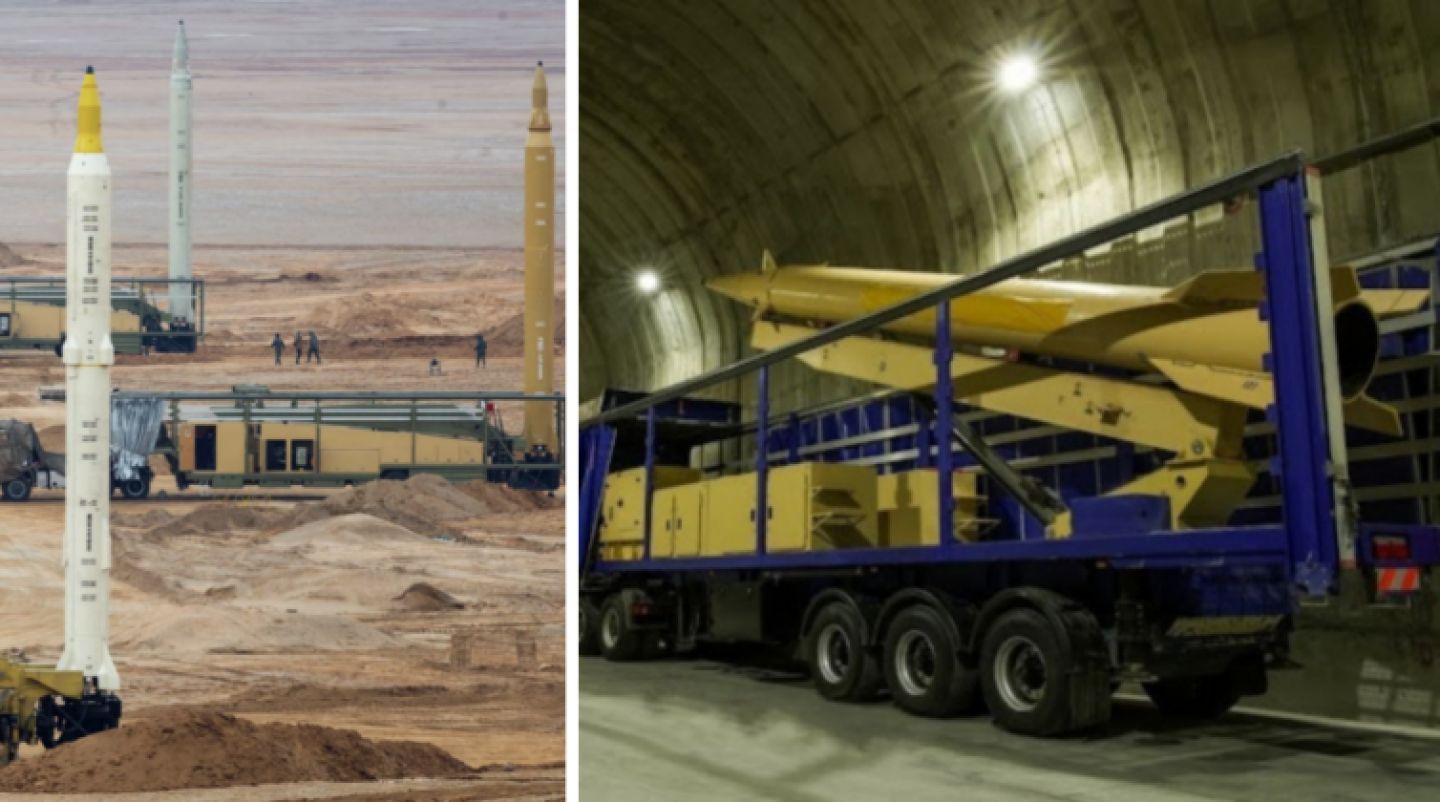
Iranian Sejil Missiles and Underground Missile Base
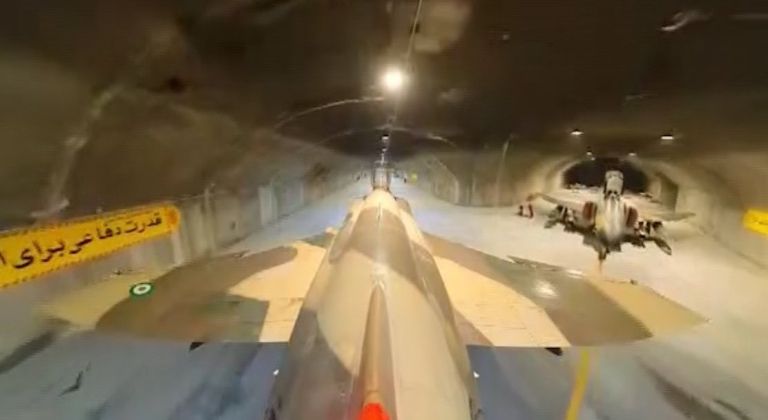
United States intelligence sources speaking to The New York Times have confirmed that Iran has retained approximately 70 percent of its missile arsenal, and has successfully restored operational access to 30 out of 33 missile facilities along the Strait of Hormuz, or 91 percent, and approximately 90% of underground storage facilities and launch pads. New intelligence data indicates that Washington has likely significant overestimated the extent of the damage caused to the Iranian missile arsenal by U.S.-led attacks that were launched from February 28, and underestimated Iran's ability to quickly restore its military facilities. Alongside the destruction of critical civilian infrastructure and the elimination of the country’s political leadership, the destruction of Iran’s missile arsenals was a leading priority for U.S. forces during its attacks on the country.
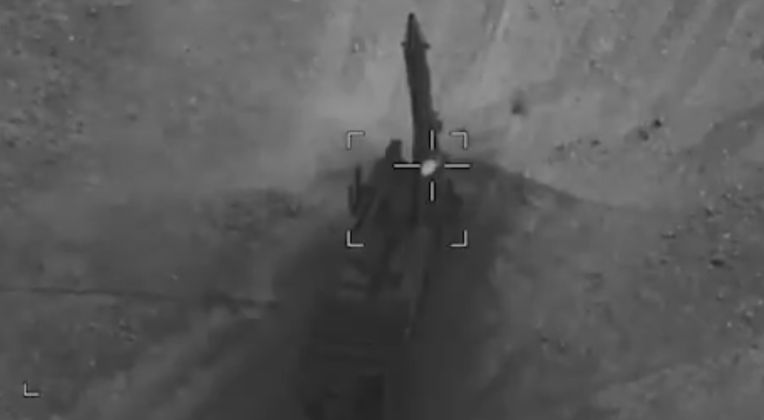
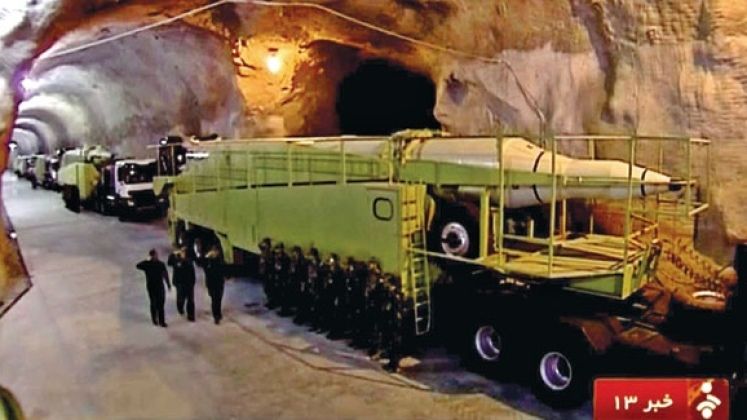
The importance of destroying Iran’s missile arsenal and associated underground missile facilities grew rapidly during hostilities, as not only were U.S. and allied arsenals of anti-ballistic missiles rapidly depleted, but the network of U.S. and allied air defence radars across the Middle East were also rapidly destroyed. Israeli paper Haaretz near the end of March confirmed that 8 out of 10 Iranian missiles launched against Israeli targets were reaching their targets, following mounting reports and growing quantities of footage pointing to the failures of Israeli and U.S. ballistic missile defences. The report stressed that the success rates of Iranian missile strikes had continued to improve as air defences had become increasingly strained. Footage showing air defence systems repeatedly failing at forward positions, in particular the Patriot system, further cemented the consensus that destroying the arsenal on the ground remained the only means for the U.S. and its strategic partners to achieve a military success.

While Iran’s missile arsenal has remained largely intact, the United States’ own arsenals of weaponry optimised to destroying Iranian missile bases and launchers has been depleted much more rapidly. In late April an assessment published by the Center for Strategic and International Studies (CSIS). Intense combat operations have exhausted a staggering proportion of the country’s most advanced weaponry, including Precision Strike Missiles (PrSM), Patriot, THAAD, SM-3, and SM-6 air defence interceptors, and Tomahawk cruise missiles. Stockpiles of the Precision Strike Missiles (PrSM), which was first used in the conflict including to strike Iranian missile sites, were confirmed in mid-April to have been almost totally exhausted.
The arsenal of GBU-57 penetrative bombs, which are relied on to penetrate heavily fortified underground sites, was also almost totally depleted, with the U.S. Air Force entering the war with an already depleted arsenal after 14 bombs were already used against Iran in June 2025. With each bomb is estimated to cost over $370 million, the GBU-57 was never produced in large numbers. The simultaneous depletion of U.S. arsenals and enduring of severe damage to major bases has raised serous questions regarding the ability of the U.S. Armed Forces to achieve their objectives or manage escalation with Iran in future. The fact that U.S. arsenals have been far more severely depleted than Iranian ones is expected to remain a leading cause of concern, particularly when considering that the U.S. relies on its arsenals to counter multiple adversaries such as China, Russia and North Korea, while the Iranian arsenal was developed primarily to counter the U.S., Israel and their regional strategic partners such as Turkey and the United Arab Emirates.
