
U.S. Renews Sanctions Threats Against India Over S-400 Purchase
Military Watch Magazine Editorial Staff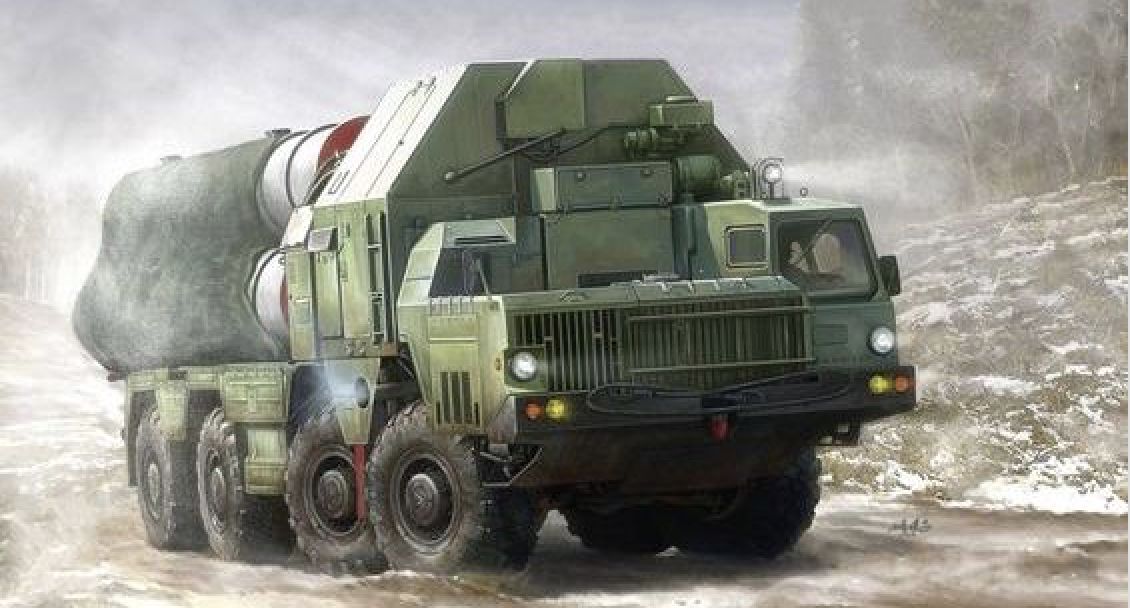
S-400 Surface to Air Missile Battery - artwork
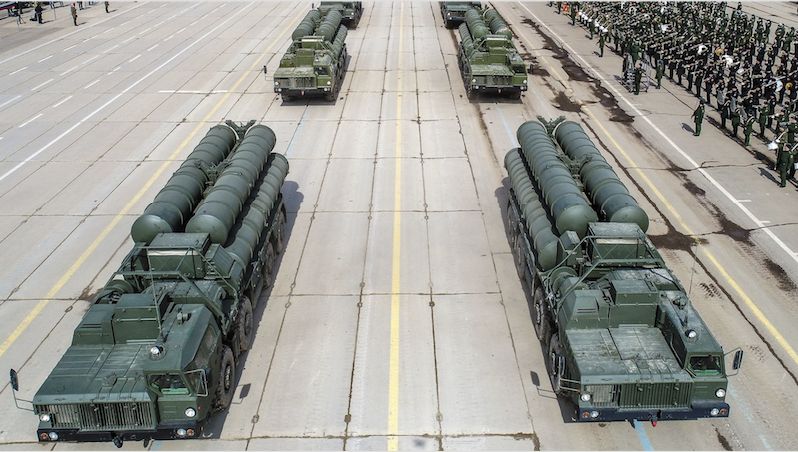
The United States has issued new threats to impose economic sanctions on India should Delhi proceed with plans to acquire Russian S-400 surface to air missile systems. This comes after a $5.43 billion contract was signed in October 2018 for five regiments of the systems - which will make India will be the world’s largest foreign S-400 operator by 2025. India has already made initial payments for the systems, and country's armed forces have pledged to proceed with acquisition plans in spite of threats of American sanctions. Indian envoy to Russia Bala Venkatesh Varma in early August referred to the S-400 as “the best in the world,” stating: “We have no doubt that the S-400 is the best anti-aircraft missile system in the world. India is glad to have S-400, made in Russia, in its armed forces,” he said. He further reiterated that, despite Western pressure, “fulfilment of contractual obligations will continue in accordance with the provisions of the document.” The first S-400 units will be delivered by the end of 2020. A senior U.S. State Department official alluded to the renewed threat of sanctions at a press briefing on February 8th, which will be applied under the CAATSA law signed in November 2017 that allows the U.S. Treasury to sanction major clients for Russian arms.
America’s efforts to seek inroads into the Indian arms market, and the imperative of avoiding alienating Delhi, has led the U.S. to consider issuing a waiver for sanctions. However, the way the sanctions waiver will be applied remains to be decided by Washington. “There is not a blanket waiver. Congress certainly never designed that or anticipated that, nor did the administration,” the official stated, emphasising that the notion that Delhi enjoys “a protection from any sort of sanctions” was a misinterpretation. “While there’s not a blanket waiver, there’s also not a blanket application. And so what I mean by that is there is a case-by-case analysis on where CAATSA sanctions could be applied. CAATSA sanctions also can range in depth as to how deep-cutting and to the entities and the people. And those options are always there.” Alongside undercutting Russian arms exports, CAATSA and the ever present threat of sanctions is also thought to be intended to give the U.S. further leverage over the country - which a number of analysts have speculated could be used to gain an advantage for American firms in bidding for future Indian arms contracts. Should India buy American, Washington is more likely waive sanctions. India for its part, however, appears well positioned to handle U.S. sanctions and is currently planning further major Russian arms acquisitions, from new fighters to nuclear powered submarines, regardless of the American threats.
