
U.S. Considers Suspending Turkish Air Force Personnel From F-35 Training Over S-400 Acquisition
Military Watch Magazine Editorial Staff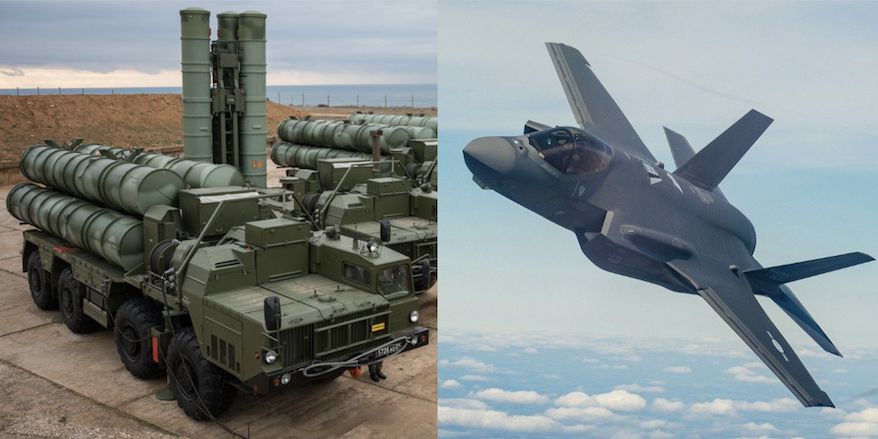
S-400 Missile Batteries (left) and F-35 Stealth Fighter
Turkey’s decision to acquire the Russian S-400 surface to air missile system and signing of a $2.5 billion contract for the weapons platform in 2017 has led to repeated threats by the United States to impose serious penalties on the NATO member state should it proceed with the purchase - with similar threats also coming from European leaders. Threats have included the imposition of economic sanctions on Ankara and termination of its participation in the F-35 fifth generation fighter program, in which Turkey is a high level partner. The Turkish Air Force was initially set to become the largest foreign operator of the F-35A, with a number of vertical landing F-35B jets also set to enter service in the Navy to provide the country with its first carrier based fixed wing aircraft in its history. The F-35A is a fifth generation single engine light fighter, and a direct successor to the F-16 Fighting Falcon of the previous generation of which the Turkish Air Force is currently also the largest operator.
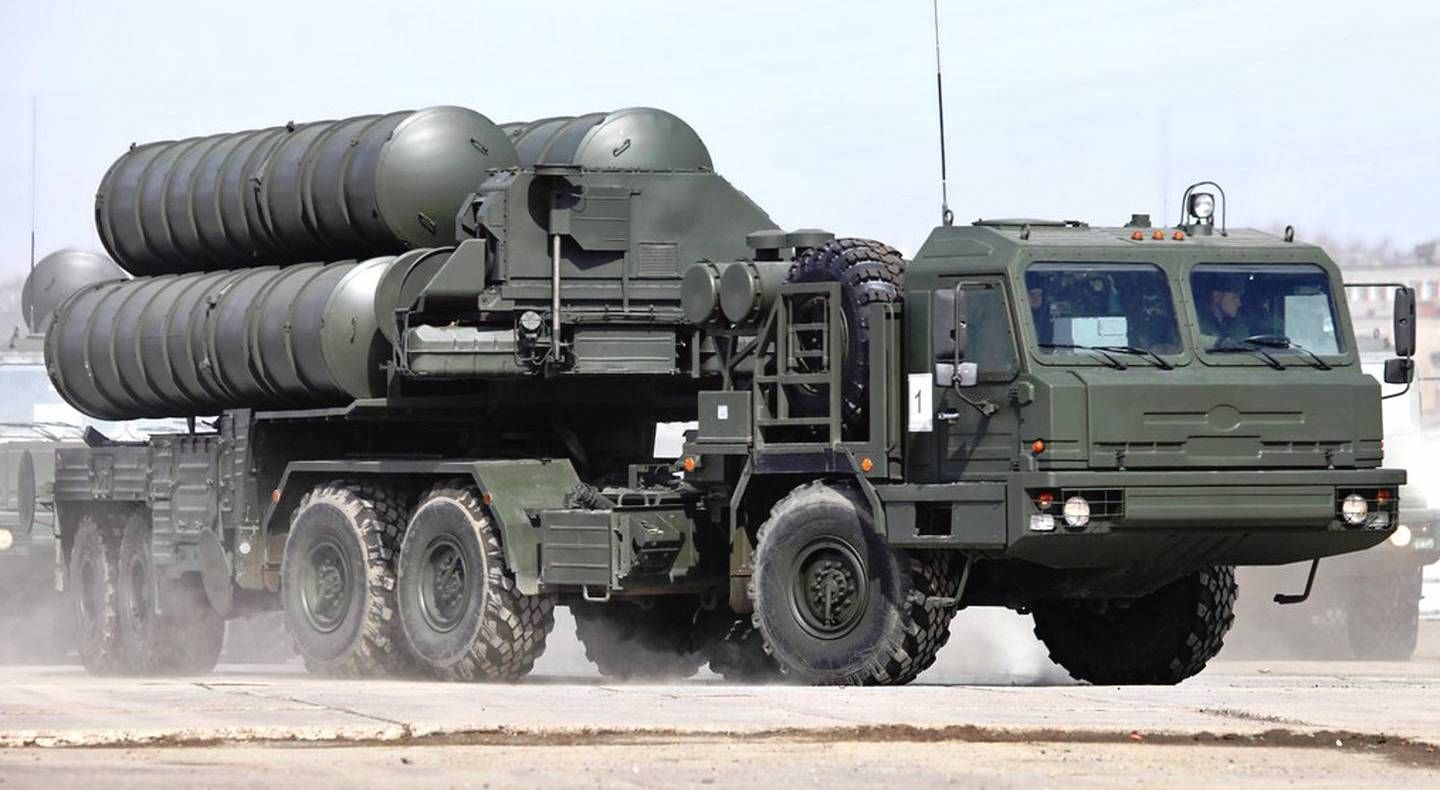
Terminating Turkish participation in the F-35 program poses considerable risks to the entire program, with no other client for around 150 jets likely to be forthcoming to receive the aircraft intended for Turkey and considering that sizeable investments have already been made in manufacturing many of the aircraft’s key components in the country. These components include parts of the F-35’s fuselage, landing gear and cockpit displays. The Turkish Air Force has already received a number of F-35A jets, and the fate of these fighters should relations between Washington and Ankara further deteriorate also remains uncertain. The possibility that suspending Turkish participation in the program could also facilitate further defence contracts between Ankara and Moscow - which is likely to be more than willing to provide advanced combat aircraft with similar if not superior performances should Washington fail to deliver the aircraft - could also deter the U.S. from taking a hard line against selling Turkey the F-35 in the long term.
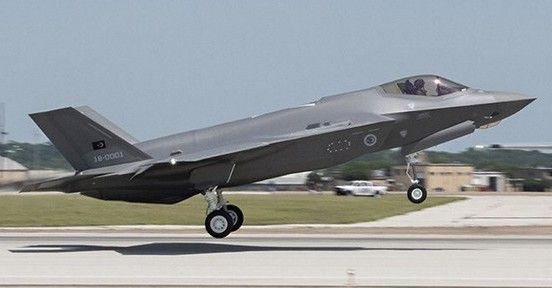
While Russia has accelerated the schedule for delivery of the first S-400 units, which are expected in July 2019, the United States has continued to escalate threats - freezing further F-35 deliveries in August 2018 and more recently threatening to suspend all Turkish Air Force personnel from the ongoing F-35 training program. Four Turkish Air Force pilots and 47 support personnel are currently stationed at Luke Air Force Base in Arizona to learn how to maintain and operate the next generation combat jets - which due to their complexity require specialised training to handle. With Turkey highly unlikely to terminate its participation in the S-400 program at such a late stage in favour of a Western manufactured system as the U.S. and Western European states have long demanded, and Ankara instead indicating its willingness to make further acquisition of Russian systems including the more advanced S-500 and possibly Russia's elite new Su-57 stealth fighters, whether the U.S. will be able to salvage its relationship with its longstanding NATO defence partner remains to be seen.
