
Ten Most Significant Military Events of 2024: From the Fall of Damascus to China’s New Stealth Fighter Programs
Military Watch Magazine Editorial Staff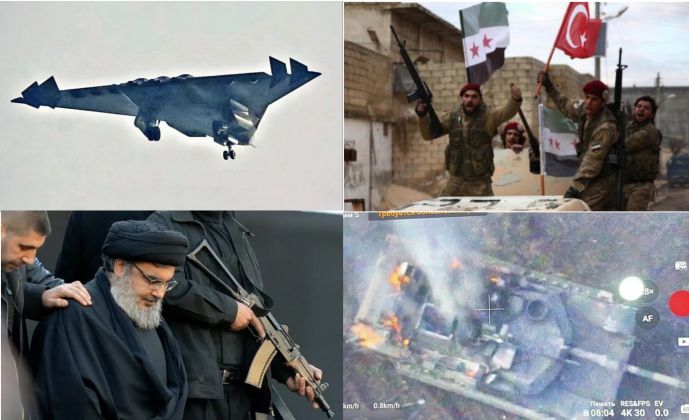
Chinese Sixth Gen. Fighter, Syrian Jihadists with Insurgent and Turkish Flags, Hassan Nasrallah, Burning Abrams Tank in Ukraine
Syria Defeated After 13 Year War Effort
On December 8, 2024 the Syrian state was toppled by Islamist insurgent groups, which removed the ruling Ba’ath party from power after over 61 years of rule. Syria had been in conflict with insurgents since early 2011, with the multi-national coalition of Islamist groups from across the Middle East, Eastern Europe and Central Asia receiving significant support from Turkey, Israel and countries across the Western world for their protracted 13 year war effort. The widely unanticipated fall of the Syrian state removed a major thorn in the side of NATO and Israeli interests, with the country’s defeat having been an objective since the early years of the Cold War when it had benefitted from significant Soviet protection.
The Syrian state’s fall has further shifted the balance of power in the Middle East in the favour of Western Bloc, Turkish and Israeli interests, removing the last Arab state in the region other than Yemen that was outside the Western sphere of influence. The geopolitical repercussions of Syria’s fall are potentially tremendous, ranging from the use of the country’s territory as a staging ground for jihadist operations against China and Central Asian states, to the isolation of the paramilitary group Hezbollah in neighbouring Lebanon, and the expected transfer of the country’s vast Soviet-supplied arsenals to Ukraine. The Turkish and Israeli military presences on Syrian territory have expand tremendously since the government’s fall, fuelling significant speculation that Ankara and Tel Aviv will annex large parts of the country into their own territories. The country’s large air defence network and ballistic missile arsenal were dismantled by Israeli forces shortly after the government’s fall.
Ukraine and Allies Initiate Major Assault on Russia’s Kursk Region
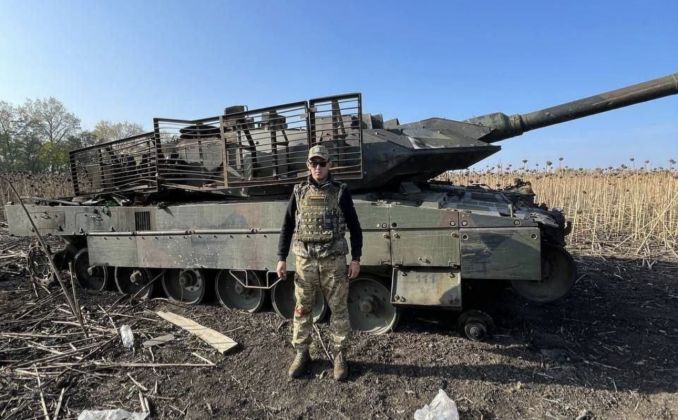
On August 6 the Ukrainian Armed Forces launched a large scale assault on Russia’s Kursk region, in parallel to an attempted by failed second assault by other units on Russia’s Belgorod Region across the Kolotilovka–Pokrovka border crossing. The operation was quickly assessed to represent a likely turning point in the war in Russia’s favour, as with Ukrainian forces operating across very long supply lines, and surrounded from multiple sides by Russian forces with only minimal air defence, attrition rates quickly became extreme. By early October the Ukrainian Armed Forces and accompanying foreign forces were estimated to have lost over 20,650 personnel in Kursk, with many of the country’s most elite units committed to the offensive, as well as much of its most capable hardware such as T-80 and Leopard 2A6 tanks. The deployment of significant numbers of German tanks to spearhead the assault has drawn parallels to the prior German-led European assault on the Soviet Kursk region during the Second World War, leading the offensive to be informally dubbed a ‘Second Battle of Kursk.’ Multiple sources have confirmed that forces from multiple NATO member states including the Untied States have played a significant role on the ground in the Kursk offensives.
China Unveils World’s First Sixth Generation Fighters - U.S. Reconsiders Financing Development Costs to Compete
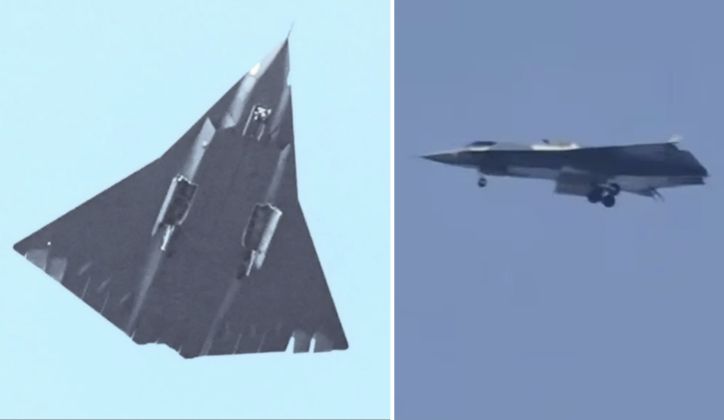
On December 26 the first images of sixth generation fighter aircraft were released from China, showing two unnamed models that are expected to succeed the country’s J-20 as to form the new elite of its fighter fleet. The new fighters notably had tailless configurations, which were never seen before and are a key requirement for sixth generation fighters. The larger of the two aircraft also used a previously unheard of triple engine configuration. The unveiling of the aircraft came at a time when the United States is increasingly hesitating on whether to move ahead with development of a high performance sixth generation fighter under the NGAD program, or whether to pursue a less ambitious lighter and shorter ranged fighter due to difficulties in affording a larger one. It also follows major recent successes in China’s combat aviation industry, including large scale production of the WS-15 next generation fighter engine for new generations of J-20s, and other notable programs including the FC-31 fighter and CH-7 unmanned bomber. The consensus has grown that China is set to move from the United States’ sole peer level competitor in fifth generation aviation, to the clear world leader in the sixth generation.
High Intensity Conflict Between Hezbollah and Israel - General Secretary Hassan Nasrallah Killed
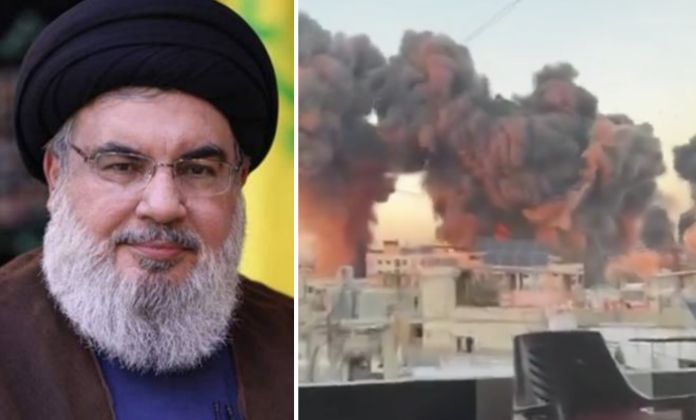
From October 2023 Hezbollah and Israel engaged in a near continuous series of skirmishes, in which the Lebanese paramilitary group demonstrated sophisticated military capabilities on multiple occasions including the ability to use a range of drone and artillery assets for complex air defence suppression operations. This included neutralising Israel’s Iron Dome and David’s Sling air defence systems. In September 2024 Israel escalated hostilities by launching an invasion of Lebanon and large scale air strikes against Hezbollah, one of which killed its longstanding leader Secretary General Hassan Nasrallah on the evening of September 23. Nasrallah had been one of the top adversaries of Israel, Turkey and the Western Bloc for decades, and had overseen Hezbollah’s campaign to deal Israel its first ever military defeat in 2006, which made him a high priority target for assassination. The attack was second only to the fall of Damascus in its importance in furthering Israeli, Turkish and Western Bloc collective interests in the region. The effective decentralisation of command within Hezbollah nevertheless frustrated Israeli efforts to significantly weaken the group, with its military successes having been considerable. One notable success was the inflicting of over 70 Israel Defence Forces casualties at a military training camp in Binyamina, south of the port city of Haifa, in mid-October.
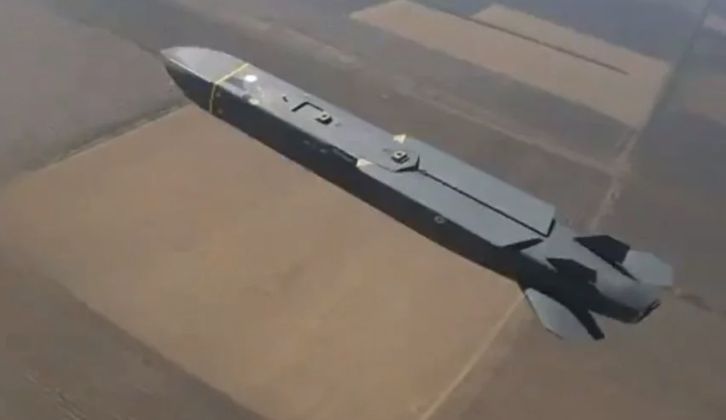
Ukraine and NATO Initiate Deep Strikes Into Russia
After months-long efforts by multiple European states to lobby strongly for unrestricted missile attacks very deep into Russia, with London and Paris being among the most active in this regard, attacks on internationally recognised Russian territory began to be launched from November 20. These missile attacks represented a major escalation, and were guided by vast networks of Western satellites and supported by major deployments of Western Bloc advisors and other specialists on the ground. The missile strikes reportedly achieved some significant successes against Russian forces in the Kursk region, including destroying components of an S-400 air defence system in late November. Russia responded by unveiling and making its first ever combat use of a new class of intermediate range ballistic missile on November 21, which Russian Ambassador to the United Kingdom Andrey Kelin claimed forced the United Kingdom in particular to take a more cautious approach towards launching deep strikes against Russian targets. While deep strikes into Russia using Western missiles launched from Ukraine would have been unthinkable in the Cold War era, it raises the risk of further escalation including Russian retaliatory strikes against targets on the territories of NATO member states.
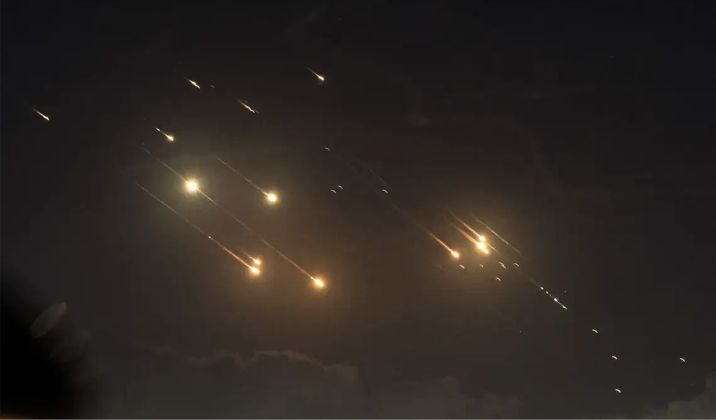
Iran and Israel Launch Direct Missile and Air Strikes on One Another
On April 1 an Israeli air strike on an Iranian diplomatic building in Damascus killed a brigadier general in the elite Quds Force of the country’s Revolutionary Guard Corps Mohammad Reza Zahedi, marking a major escalation in the longstanding conflict between the two states. Iran responded by launching large scale drone and missile strikes on Israeli targets on April 13, which Israel, the United States, France, Britain and Jordan managed to blunt, although assessments of the actual damage have conflicted sharply. The expenses incurred during the air defence efforts against Iran’s relatively low cost attack, however, were estimated in the billions of dollars. Subsequently on July 31 Chairman of the Hamas Political Bureau Ismail Haniyeh was assassinated in his residence in Tehran by an Israeli air strike, which led Iran to retaliate with large scale attacks on October 1. These struck a facility hosting Israeli F-35 fighters, with some reports indicating that multiple fighters were destroyed in the attack. Israel responded with a relatively small scale attack on Iran on October 26, with Western and Israeli sources claiming that this successfully neutralised many of the Iran’s air defence systems, while Iranian sources reported that the large majority of incoming missiles were intercepted. These escalated hostilities have fuelled speculation that further clashes could be likely in 2025, with the expansion of NATO and Israeli influenced into Syria placing them in a much stronger position to wage war against Iran.
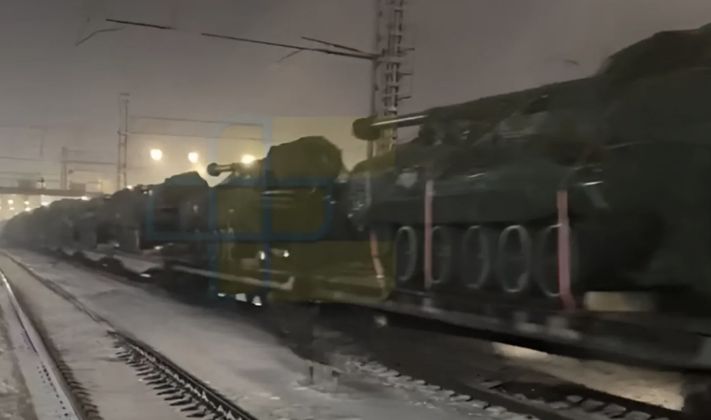
North Korea Intervenes Heavily to Support Russia’s War Effort
In early January the White House reported that Russia was making use of North Korean KN-23B and KN-24 ballistic missile systems and KN-25 rocket artillery systems in the Ukrainian theatre, with the KN-23B at the time assessed to be the Russian Army’s most potent class of tactical ballistic missile. By the middle of the year it was estimated that North Korea’s escalated arms supplies had furnished Russia with over 6 million artillery rounds among a range of other assets. From mid-October reports emerged that Korean People’s Army personnel had been deployed in considerable strength to Russia for combat operations against Ukraine and its Western supporters, with first confirmation of deliveries of Korean 170mm mobile howitzers published in mid-November. North Korea has reportedly also sent pilots for training in Russia, and is expected to receive Russian combat aircraft to partially cover the costs of these massive arms transfers, alongside possible technology transfers to support its space and nuclear submarine programs.
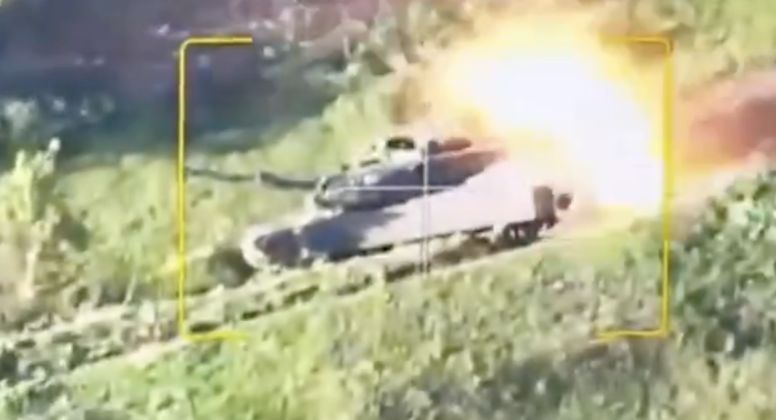
Ukraine’s M1A1 Abrams Tanks Nearly Wiped Out After Long Anticipated Debut: Casualty Rates Remain Immense
After Ukraine began to receive M1A1 Abrams tanks from the United States in September 2023, they were first seen deployed on February 23, 2024, with the first loss then confirmed just three days afterwards. This was followed by a succession of further losses over the next two months, culminating in a temporary withdrawal from the frontlines in April. After the tanks were again deployed, they again suffered high rates of losses. Most kills filmed have been achieved by guided artillery or by single use ‘kamikaze’ drones, with one of the kills was confirmed to have been achieved by a Russian T-72B3 tank after the two exchanged fire near Avdiivka. The Abrams’ effectiveness has increasingly been questioned by figures including U.S. Undersecretary for Defence for Policy Colin Kahl and U.S. National Security Adviser Jake Sullivan. Ukrainian personnel have highlighted their dissatisfaction with the Abrams’ performance, citing both technical issues such as vulnerability of electronic components to condensation, as well as their vulnerability to Russian fire. With the Abrams having seen relatively little high intensity combat in its history, but having been widely hyped by Western and Ukrainian sources as a game changer for the war effort, the rapid attrition rates which Ukraine’s small fleet faced, much as was the case for its Leopard 2 and other Western tanks, did much to undermine the reputation of the tank class.
Yemeni Ansurullah Coalition Continue Major Clashes with Israeli, U.S. and British Forces
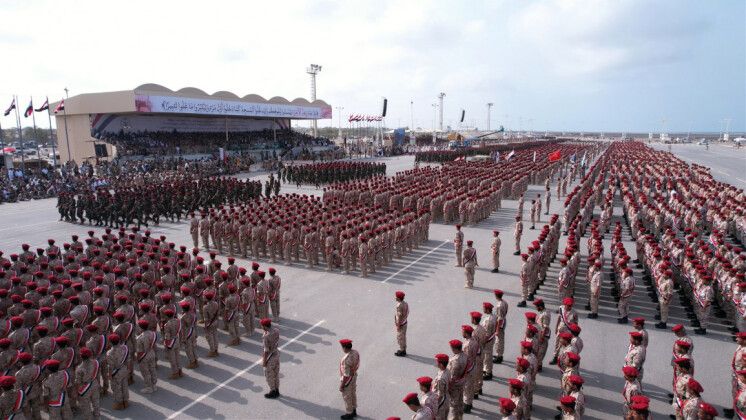
The Yemeni Ansurullah Coalition has maintained a high intensity of operations against the United States, Israel, and several of their European allies including the United Kingdom and Turkey. The Yemeni group demonstrated a long reach by launching successful strikes on Israel, with a notable example being its attack on September 15 which was reported to have struck a power station in the country. Ansurullah Coalition forces reported that the strike involved “a new hypersonic ballistic missile,” which was able to hit its target. “The enemy’s defence systems failed to intercept and confront [the missile]. It crossed a distance of 2,040km in eleven and a half minutes, and caused a state of fear and panic” in Israel, the statement added. On July 19, Ansurullah Coalition forces carried out a successful drone strike in central Tel Aviv, targeting an area near the American consulate and causing several casualties. In response, Israel conducted an air strike on an oil depot in the city of Al Hudaydah, located in western Yemen. In addition to drone and ballistic missile attacks, the Ansarullah Coalition has previously launched cruise missile strikes against Israeli targets.
In November Under Secretary of Defense for Acquisition and Sustainment Bill LaPlante gave voice to a growing consensus that the Ansurullah Coalition’s military capabilities far exceeded previous estimates, which allowed it to sustain a conflict and continue to take to the offensive. Ansurullah’s arsenal includes missiles which “can do things that are just amazing," according to LaPlante. "I'm an engineer and a physicist, and I've been around missiles my whole career. What I've seen of what the Houthis [Ansurullah] have done in the last six months is something that — I'm just shocked,” he stated. Alongside Israel and the United Kingdom, the United States has maintained a high tempo of operations against the Ansurullah Coalition, including using its most heavily armed aircraft the B-2 stealth bomber in mid-October to strike fortified weapons sites, although American assessments have continued to express frustration regarding the lack of a noticeable impact on the Yemeni group’s combat capabilities. The Ansurullah Coalition has gained notable successes in its air campaign, including shooting down over a dozen American MQ-9 Reaper drones and claiming to have shot down a U.S. Navy F-18F Super Hornet fighter in December - the loss of which the Navy attributed to friendly fire.
European States Come Close to Major Intervention in Ukraine
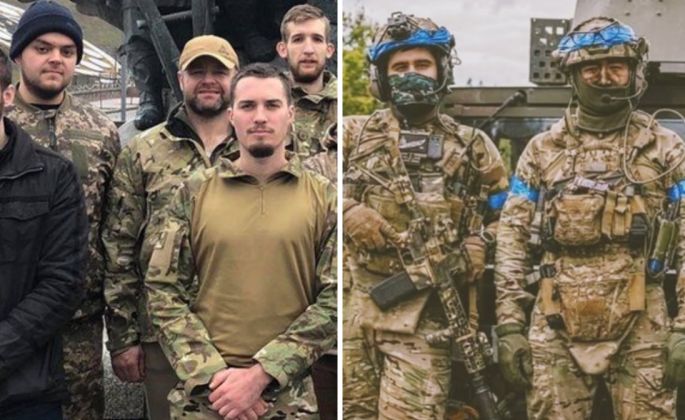
Amid mounting Ukrainian and allied losses, European leaders have made increasingly vocal calls for major ground force deployments to support Kiev’s war effort. Although Western ground forces, volunteer units and contractors have played central roles in the conflict on the ground, escalation to a full scale ground intervention by large NATO armies has the potential to provoke a larger scale conflict between Russia and the Western Bloc. French President Emmanuel Macron stated repeatedly in 2024 that a large scale intervention was not ruled out as part of a policy to “do everything necessary to prevent Russia from winning this war.” Calls for such options to be considered have been raised by figures such as Estonian Prime Minister Kaja Kallas, Polish Foreign Minister Radoslaw Sikorski, Lithuanian Foreign Minister Gabrielius Landsbergis, and the Finnish Foreign Minister Elina Valtonen.
In mid-November the French paper Le Monde reported that France and the United Kingdom had “reactivated” discussions on troop deployments to Ukraine. The United States, however, has remained less committed than many of its more hawkish European allies to escalating the conflict with ground force deployments. In November the Russian Foreign Intelligence Service disclosed information on plans by NATO member states to initiate a major ground force deployment to temporarily end ongoing hostilities, with the goal of eventually turning the tide of the conflict. Analysts have consistently pointed out that the primary factor holding many of the more hawkish European states back has been not an issue of political will, but rather one of limited capabilities, since not only have European states largely exhausted their reserves of ground equipment, by the sizes and readiness levels of their ground forces are also limited.
