
Seeking Deescalation? Why India Has Only Deployed its Oldest and Least Capable Fighters for Conflict with Pakistan
Military Watch Magazine Editorial Staff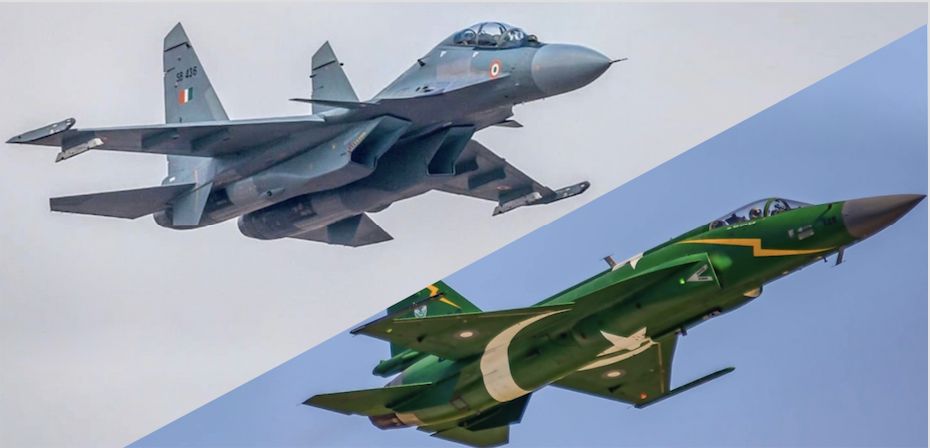
Indian Air Force Su-30MKI and Pakistani Air Force JF-17
Recent conflict on the Indio-Pakistani border has seen the Indian Air Force suffer some of its first combat losses in decades, and according to the Pakistani Air Force the country’s indigenous JF-17 Thunder Block II fighters intercepted and downed two Indian aircraft on February 28th. One pilot reportedly landed in Indian territory, while the other is currently in Pakistani custody. The aircraft were downed over Pakistani airspace after carrying out strikes on alleged terrorist camps, in retaliation for Islamist groups’ recent killings of Indian soldiers in Kashmir. Indian reports indicate that a Pakistani F-16 Fighting Falcon was also downed by Indian fighters, likely MiG-21s, though Pakistan has not confirmed committing the F-16 to combat.
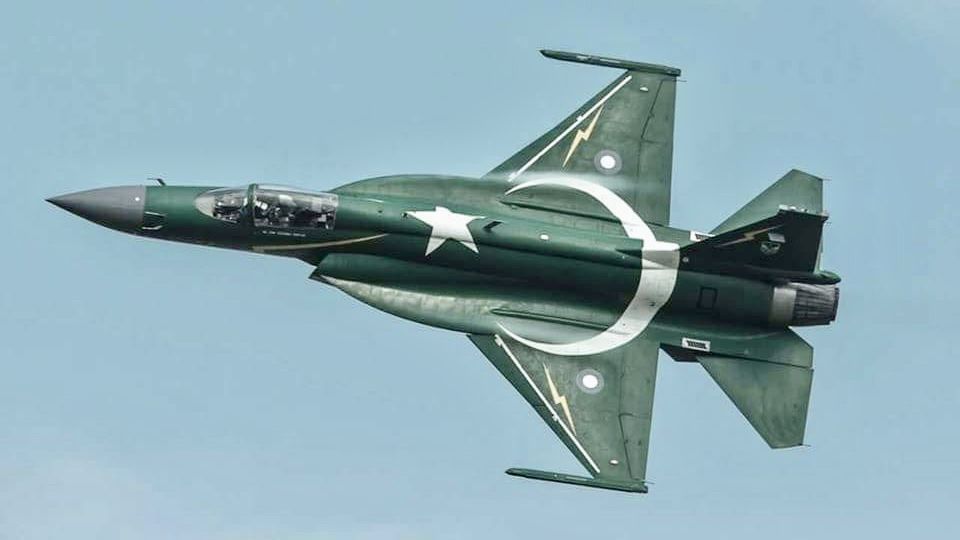
Pakistani Air Force JF-17 Single Engine Light Fighter
One of the most notable aspects of the Indian air campaign for those familiar with the capabilities and composition of the country’s Air Force is the nature of the assets which have been committed. Initial strikes were carried out by the country’s French built Mirage 2000 single engine fighters - lightweight platforms acquired in the early 1980s which lack advanced long visual range air to air capabilities - significantly surpassed by those of the Pakistani JF-17 Block II equipped with PL-12 missiles and F-16C equipped with AIM-120C missiles. The second wave of strikes saw India deploy MiG-21 Bison single engine fighters. While these platforms are considerably more capable than the original MiG-21 which entered service in 1959, and have performed very well in wargames against U.S. Air Force F-15C Eagles due to the sophisticated sensors, avionics and electronic warfare systems deployed, they lack advanced beyond visual range air to air capabilities and remain at the lower end of the Indian inventory. India’s third fighter of a similar age and low weight range, other than the HAL Tejas which was only declared officially combat ready under a week ago, is the MiG-23. MiG-23s which remain in service are few however, and are twin seat variants used to train MiG-27 strike fighter pilots. The Indian Air Force can thus be said to have committed the least capable fighters in its inventory to the front against Pakistan.
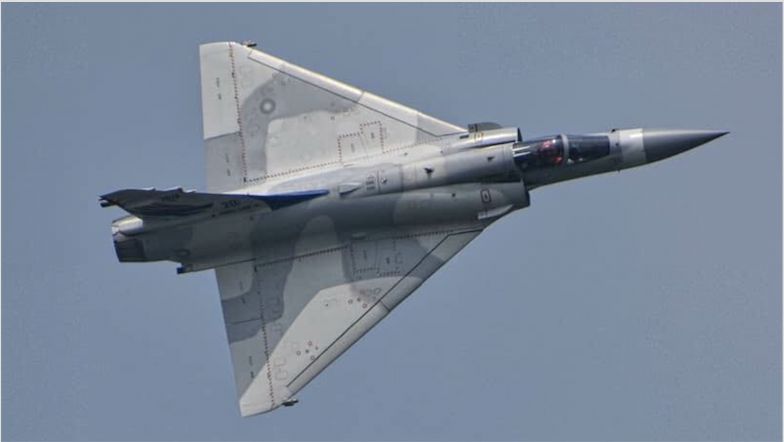
Mirage 2000 Single Engine Light Fighter
India may be seeking to avoid escalation by deploying low end assets, or alternatively be holding these in reserve to avoid potential losses which could be perceived as an embarrassment. Mid-range fighters such as the MiG-29 equipped with modern air to air missiles such as the R-77, the Russian manufactured analogue to the AIM-120C and the PL-12, would likely have something of an advantage over the JF-17 Block II and the F-16C - given its IRST system (which the other two lack) and considerable advantages in speed, altitude and manoeuvrability. The Su-30MKI meanwhile, one of the most capable air superiority fighters in the world with well over double the weight of the JF-17, would almost certainly provide Indian forces with an overwhelming advantage in the air - and it could also prove lethal in a strike role if equipped with Brahmos cruise missiles (though the combat readiness of air launched variants of these missiles remain limited.)
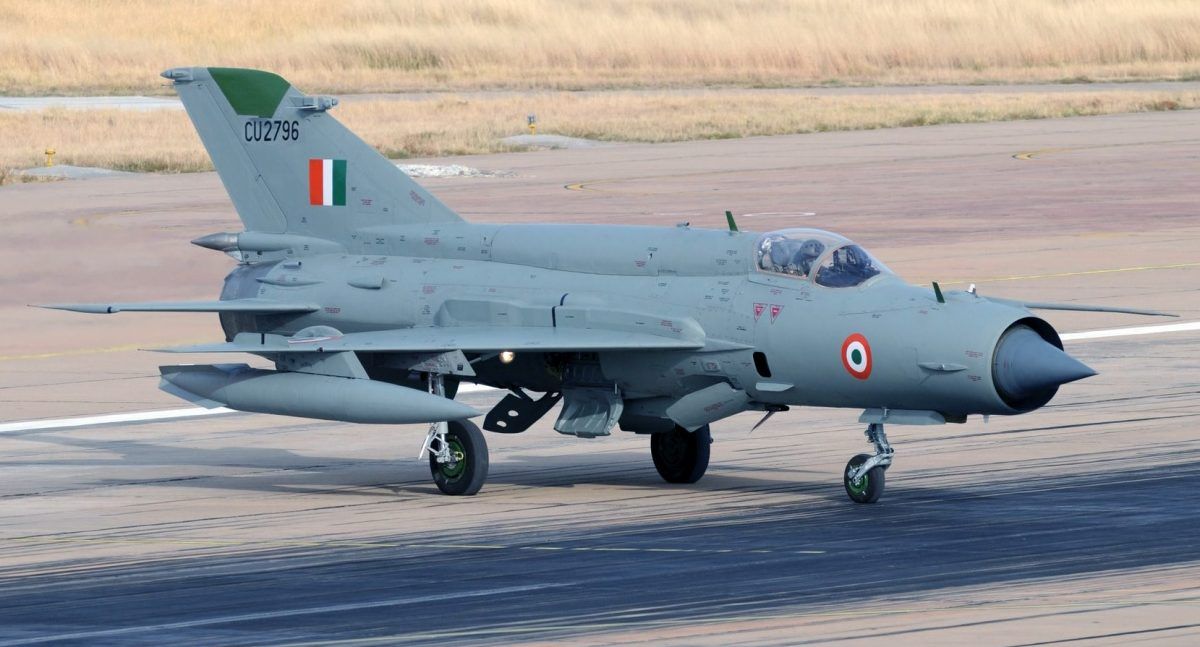
Indian Air Force MiG-21 Single Engine Fighter
The outcome of the border conflict and performance of various assets could well have considerable implications for the acquisition strategies of both states. Should the F-16C, for example, turn out to have been downed by the MiG-21, India will almost certainly be far less likely to purchase the Fighting Falcons currently being pitched to it by Lockheed Martin. Ultimately whether tensions will deescalate, and whether India will move to deploy more capable fighters or Pakistan will station its advanced HQ-16 air defences closer to Kashmir, remain to be seen. Both countries, however, appear to be actively seeing deescalation - as a wider conflict is strongly against the interests of both parties.
