
Introducing the F-21 Fighter; What is Behind Lockheed Martin’s Rebranding of the F-16 for its Indian Sales Pitch
Military Watch Magazine Editorial Staff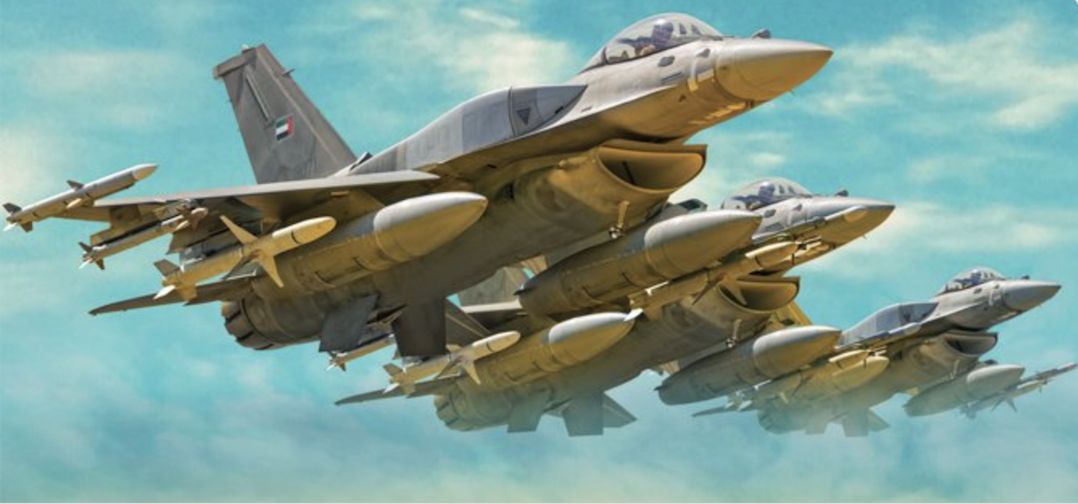
Lockheed Martin F-16E '4+ Generation' Single Engine Light Fighters
IDEX 2019
On February 20th 2019 the United States’ largest defense company Lockheed Martin Corporation unveiled what was allegedly a new class of fighter jet, the F-21, in its bid to win a large military order for 114 planes under a $15 billion contract. The Indian Air Force currently relies primarily on Russian fighter jets for its aerial warfare capabilities, in particular the Su-30MKI heavy air superiority fighters of which over 300 are planned, with British attack jetsand medium weight French fightersplaying smaller complementary roles. With the Delhi increasingly looking to strengthen its defence partnership with the United States, particularly the Navy and the Army but to some extent in the Air Force as well, the country has increasingly considered acquiring American fighter jets to provide a much needed modernization of its medium-light fighter fleet - which currently relies heavily on upgraded variants of the Vietnam War era MiG-21. With American aerospace company General Electric Aviation already having been commissioned to supply F404 engines for India’s semi-indigenous Tejas fighter, and with the Boeing Company and Northrop Grumman very likely to be commissioned to supply advanced F-18E Super Hornet Block 3 carrier based fightersand E-2 Hawkeye carrier based airborne early warning aircraft respectively should the Indian Navy proceed with the INS Vishal aircraft carrier program, there appears to be considerable room in the Indian market for American sales.
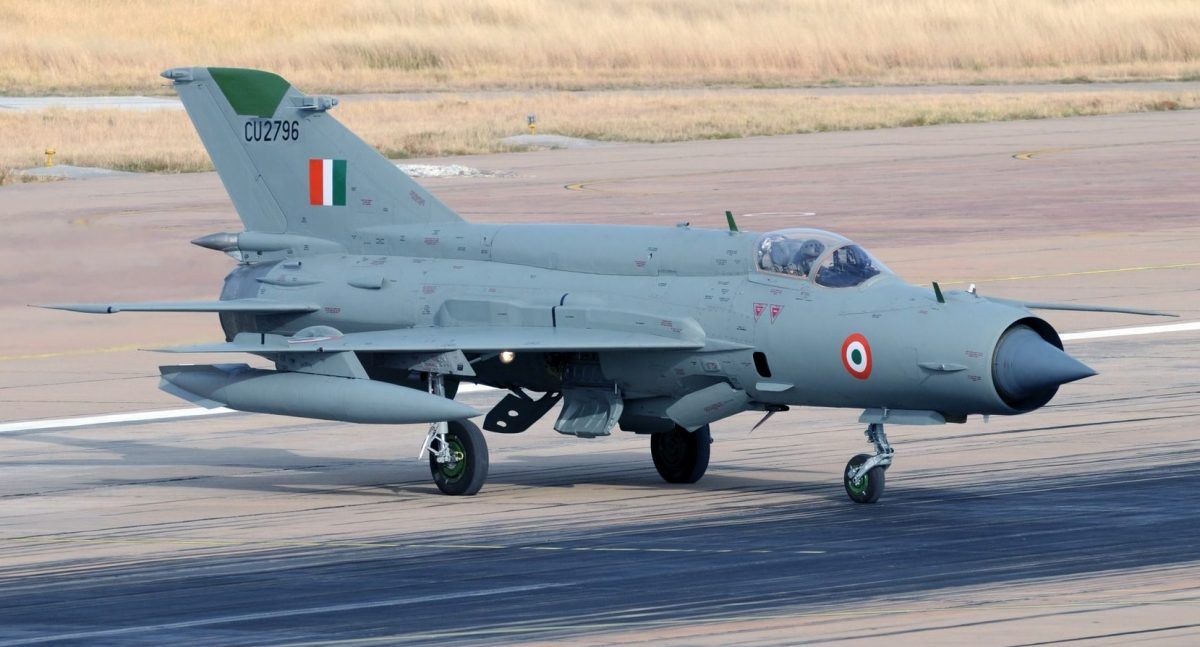
Indian Air Force MiG-21 Single Engine Fighter
Lockheed Martin for its part has sought to capitalize on this opportunity by providing the most attractive offer possible for the sale of its F-16 Fighting Falcon, the most widely produced fourth generation fighter ever developed with over 4,500 jets having been manufactured and operated by over two dozen countries. While the F-16 has an excellent service record, perhaps the most reliable and easy to maintain combat jet in American service, 2019 marks 41 years since the lightweight platform first entered service - leading a number of analysts and officials alike both in the United States and overseas to predict its fall into obsolescence for high end air to air engagements in the very near future. U.S. Air Force Air Combat Command chief General Mike Hostage for example predicted that the fighter and its heavier twin engine counterpart the F-15 would both be essentially obsolete by the year 2024. Singaporean Defence Minister Ng Eng Hen statedin 2018 regarding his own country’s fleet of heavily modernised Fighting Falcons: “F-16s would face obsolescence beyond 2030.”
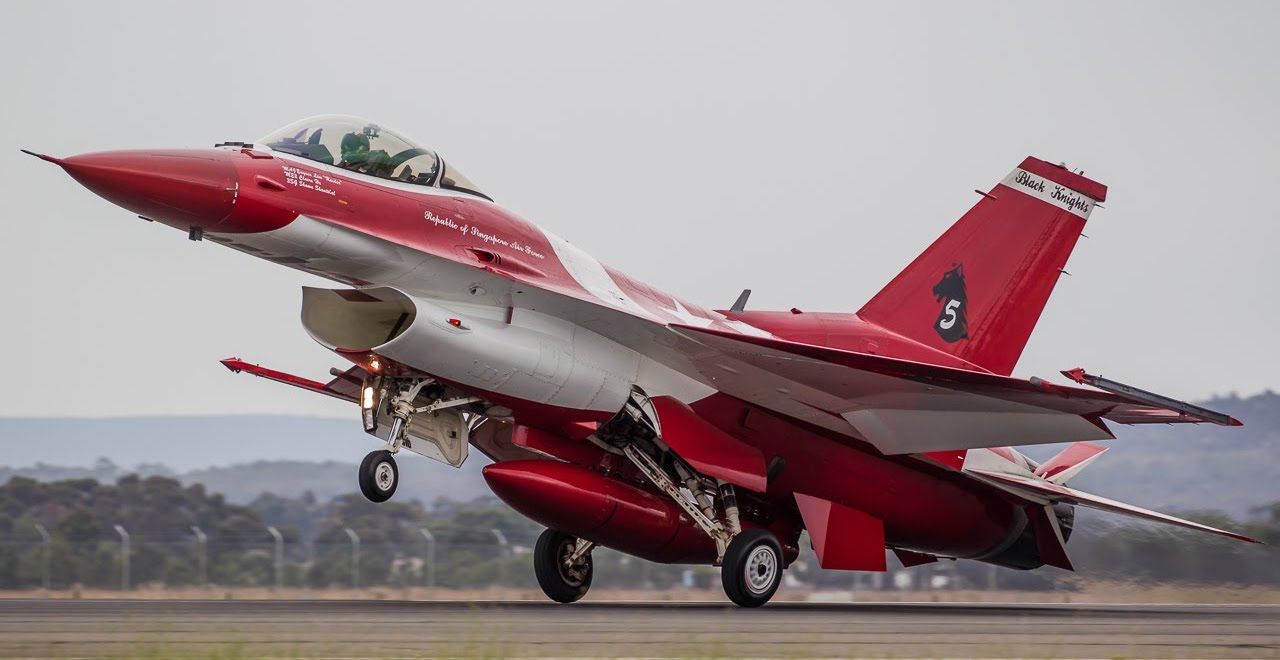
Singaporean Air Force F-16 Fighting Falcon
The Indian Air Force for its part is highly familiar with the F-16 - and the historical associations are far from positive. Pakistani F-16 Fighting Falcons were involved in numerous shootdowns of allied Afghan and Soviet jets in the 1980s during the Afghan War, and the aircraft is until today considered the prime combat jet of India’s leading military adversary. Moreover, the Indian Air Force was confident during the Kargil War of the far superior capabilities of its MiG-29 fighters acquired from the Soviet Union to deter attacks by Pakistani F-16s- and regular patrols by the Soviet built jets armed for air to air combat were considered a key factor in deterring the Pakistani Air Force from intervening. The F-16 is thus associated from an Indian perspective not only with a fighter design from the 1970s, but also with the country’s primary adversary which the Indian Air Force acquired capabilities to comfortably overcome several decades ago.
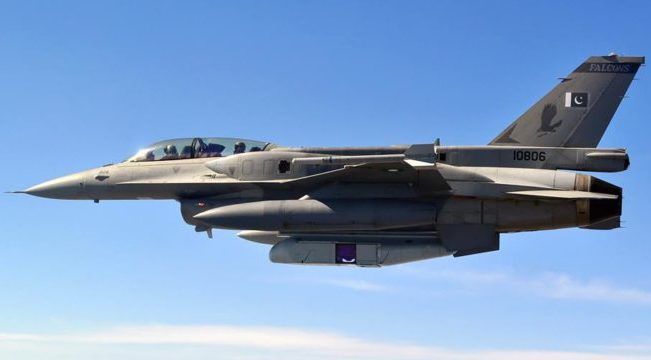
Pakistani Air Force F-16 Fighting Falcon
While the F-16 is an ageing design, and the Fighting Falcons operated by the majority of U.S. allies including Pakistan are in many ways inferior to medium weight fighters currently in Indian service in terms of their capabilities, Lockheed Martin’s newest variants of the combat jet such as the F-16Vand F-16Efar surpass the capabilities of the original platform which the Indian military is so familiar with. These new fighters retain ‘4+ generation’ capabilities, with airframes redesigned to house composite fuel tanks for an extended range, new active electronically scanned array (AESA) radars comparable to those on fifth generation fighters such as the F-35, and access to the latest electronic warfare systems and high-end munitions including the latest variants of the AIM-120 air to air missile. The fighters are also set to deploy the 132A variant of the F110 engine, the same as that used by the United Arab Emirates’ F-16E, which is considerably more powerful than those used by standard Fighting Falcon variants – reportedly also requiring less maintenance.
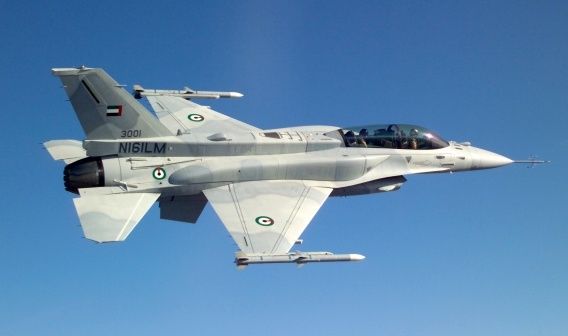
United Arab Emirates Air Force F-16E Fighting Falcon
To reflect the advanced capabilities of the new Fighting Falcons, and break with the association of the new fighter with the F-16 of the Kargil and Afghan wars which is critical to its successful marketing, Lockheed Martin rebranded the enhanced platform as ‘F-21.’ As vice president of Strategy and Business Development for Lockheed Martin Aeronautics, Vivek Lall, stated regarding the platform’s capabilities: “the F-21 is different, inside and out.” This is precisely the message that Lockheed Martin is attempting to convey with the renaming of the fighter - one which Russia adopted from the 1990s as its military aviation industry grew more export reliant to reflect enhancements to fourth generation designs which provided them with ‘4+’ or ‘4++’ generation capabilities. The renaming of modernized fourth generation variants of the Su-27 as ‘Su-30’ and ‘Su-35’ is a case in point - breaking associations with the 1980s Soviet design and reflecting the capabilities of the new and more capable designs.
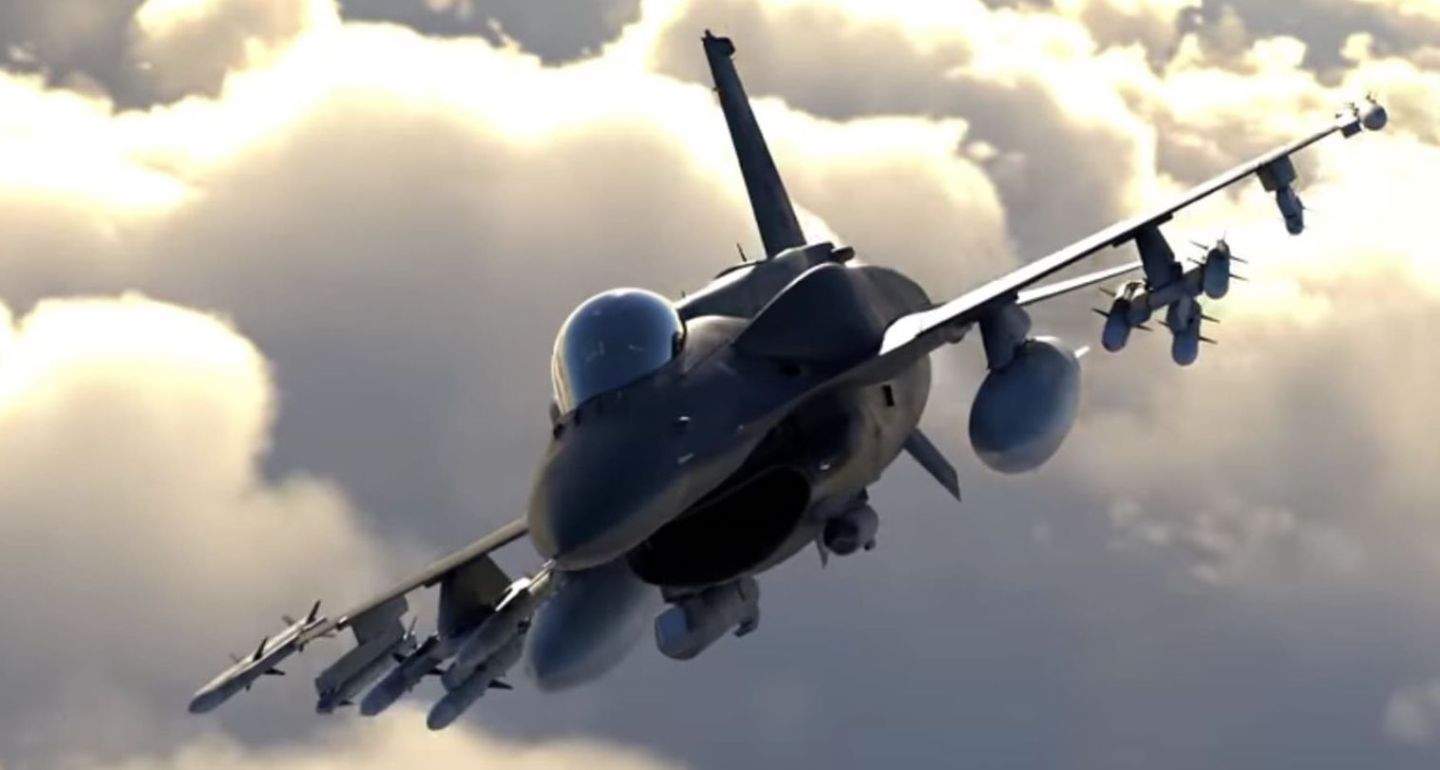
Indian Air Force F-21 '4+ Generation' Single Engine Light Fighter (Animation for Lockheed Martin Promotion Video)
To further improve prospects for exports to India, Lockheed Martin has offered to manufacture the fighters in the country in collaboration with Tata Advanced Systems - an private Indian defence company founded in 2007. Considerable technology transfers, much sought after by India as part of almost all major arms deals, are also on offer to strengthen the country’s domestic military aviation capabilities. Ultimately whether India will acquire the new F-21 remains to be seen, and while the platform’s capabilities are highly formidable - leaving those of Pakistan’s F-16C far behind - the difficulties of integrating fighter aircraft from a fourth country into the Indian Air Force, which already has four fighter classes of similar weights in service (two French, two Soviet and the indigenous Tejas) remain considerable and will only further reduce interoperability of key systems. Should the F-21 prevail however, it would represent the most considerable sale of U.S. military hardware to India in the two countries’ modern history and could well pave the way for sales of further complementary systems (F-15X?) in future. The complexities of the Indian Air Force’s calculus when making such a decision, in which several political factors are also at play, makes the outcome difficult to predict at present.
