
China and Pakistan to Expand JF-17 Production Amid Strengthening Ties - Joint Next Generation Fighter Programs Already Underway
Military Watch Magazine Editorial Staff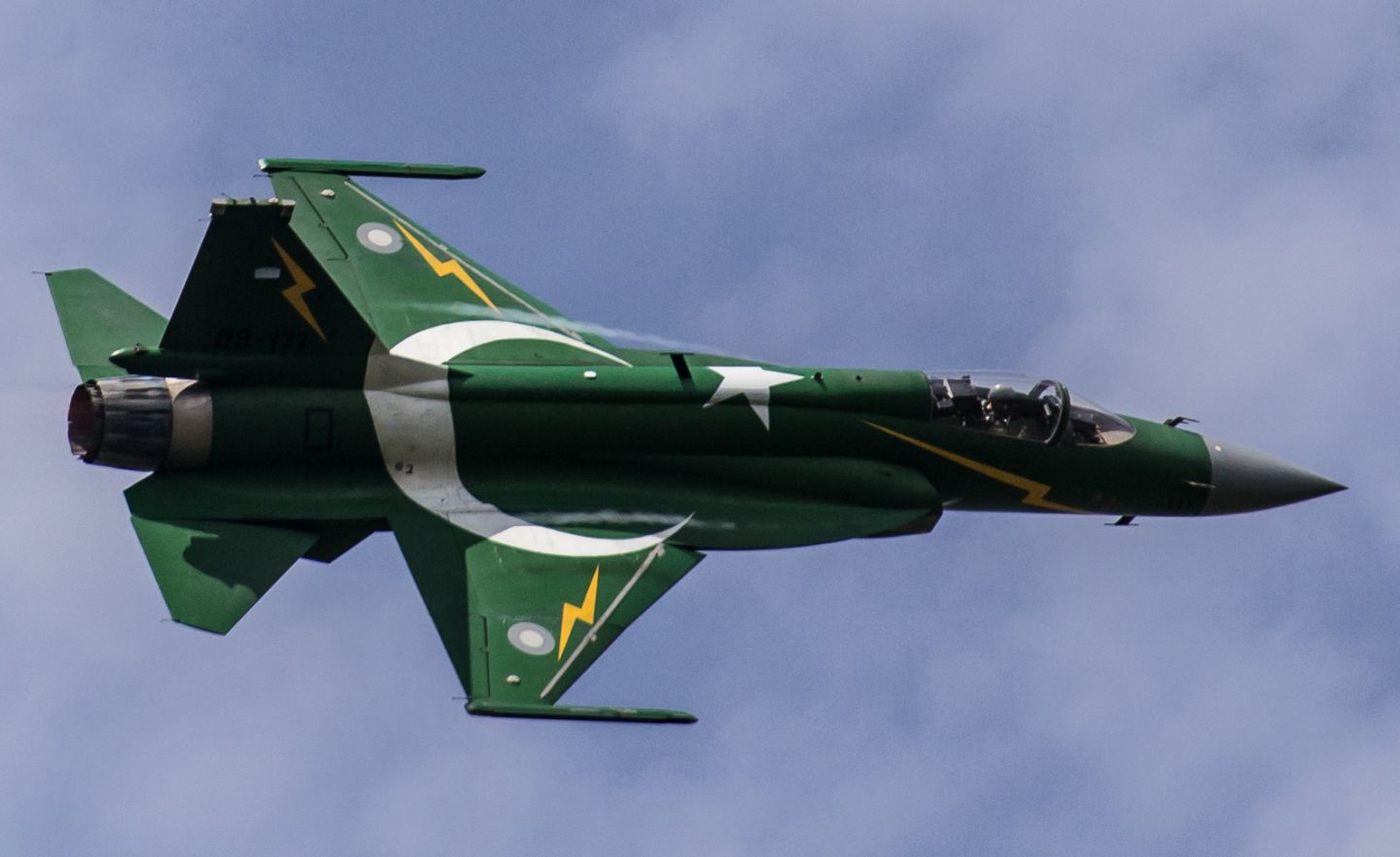
Pakistani Air Force JF-17 Single Engine FIghter
The People’s Republic of China has emerged since the Cold War’s end as Pakistan’s closest economic and defence partner, and Chinese support has been key to facilitating Islamabad’s shift away from its formerly heavy reliance on the Western Bloc. The alliance between the two powers has led to a number of prolific economic and defence programs, of which the Pakistan Economic Corridor, the development of Gawdar Port as a major military facility and centre of trade and the JF-17 Thunder fighter program are among the best known. Pakistan’s critical position in the Chinese led One Belt ,One Road initiative has further strengthened both economic and defence cooperation - particularly in counterterrorism - and China was the primary advocate within the Shanghai Cooperation Organisation military bloc supporting Pakistan’s accession.
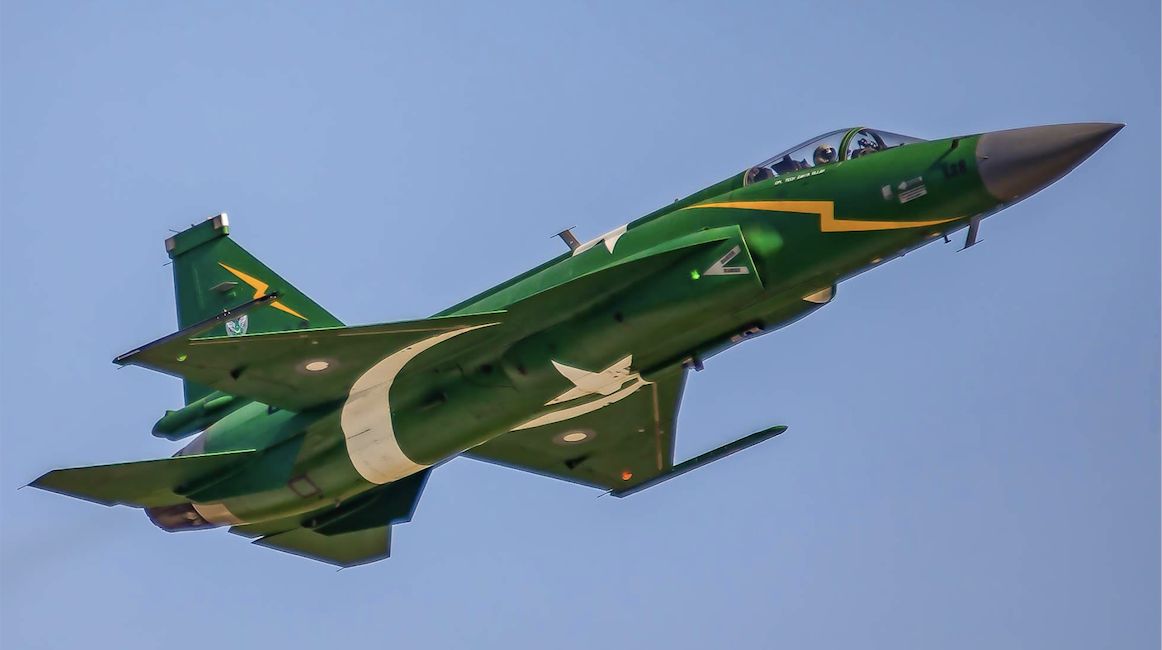
Pakistani Air Force JF-17 Single Engine Fighter
As China and Pakistan have expanded economic cooperation rapidly, leading to considerable benefits for both parties, the two have also agreed to expand production of the JF-17 fighter jet. While China’s People’s Liberation Army Air Force does not itself operate the JF-17, favouring the more capable but higher maintenance J-10 single engine light fighter, the country has provided Pakistan with considerable facilities with which to manufacture key components for the aircraft - considerable boosting the South Asian state’s own military aviation capabilities. The JF-17 is heavily based on the Chinese J-7G, but integrates advanced sensors, avionics and electronic warfare systems and can deploy high end Chinese munitions such as the PL-12 air to air missile. Several hundred of the fighters have been manufactured since the mid 2000s for Pakistan’s Air Force, and the aircraft has seen considerable foreign interest from across the world - being particularly prized for its low maintenance needs.
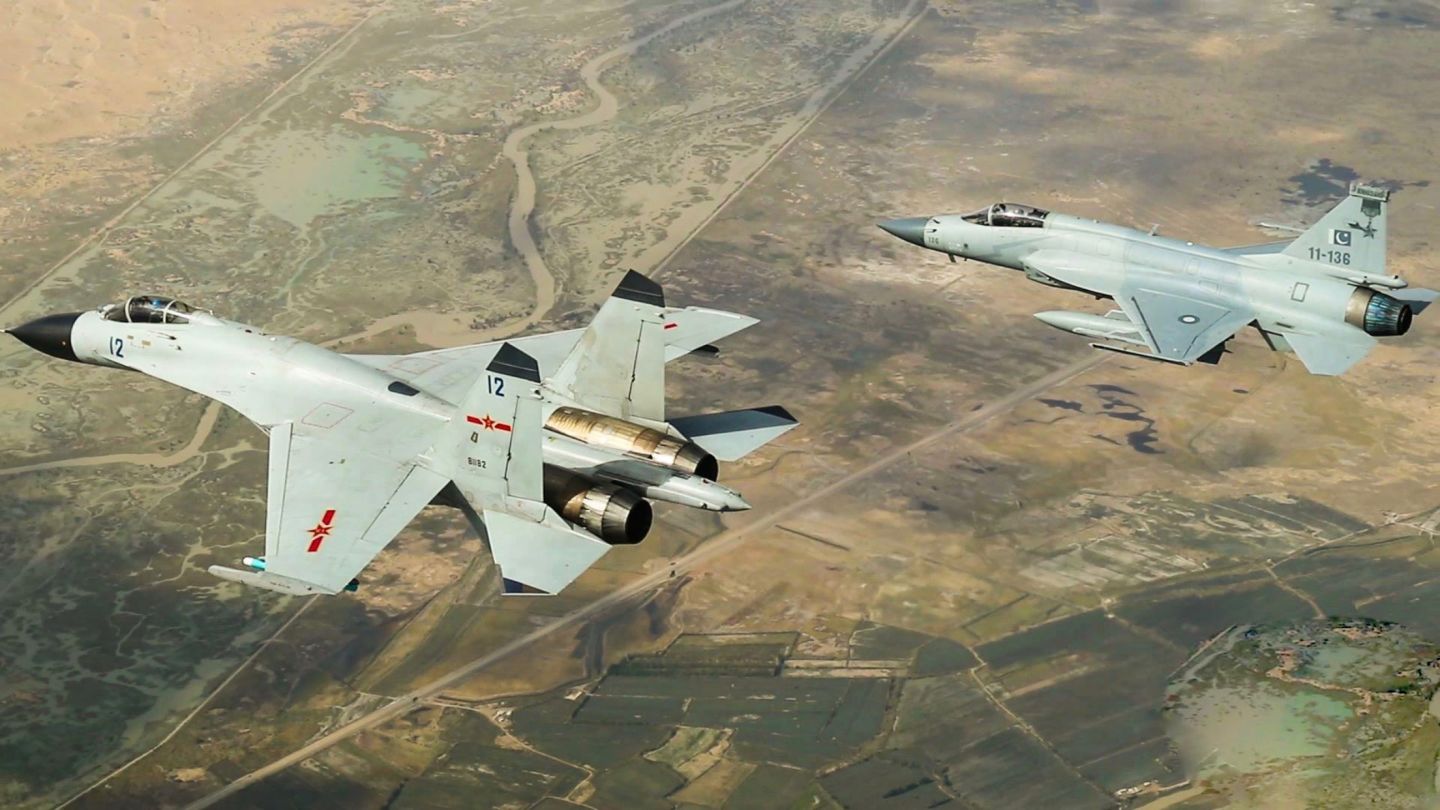
Pakistani JF-17 and Chinese J-11B in Formation
As China and Pakistan move to expand JF-17 production, preparations are currently underway for the joint manufacture of two more advanced fighter jets - the JF-17 Block 3 and a fifth generation stealth fighter currently being developed under Project AZM. The new iteration of the JF-17 is set to enter service in the early 2020s, and will make use of conformal fuel tanks for an extended range and deploy superior electronic warfare systems and an AESA radar. Other details regarding the new fighter, including its use of an infra red search and track system and radar cross section reducing airframe, remain uncomfirmed. Project AZM similarly seeks to develop a light stealth fighter as an export oriented analogue to the Chinese J-31 - much as the JF-17 was designed as an export analogue to the J-10. The fighter will also be jointly manufactured by China and Pakistan, and will provide a lower maintenance and less costly counterpart to the American F-35 - while outperforming the U.S. jet in a number of its capabilities such as speed and operational altitude. The fighter is likely to also deploy more advanced Chinese manufactured air to air munitions such as the PL-15 and PL-12D.
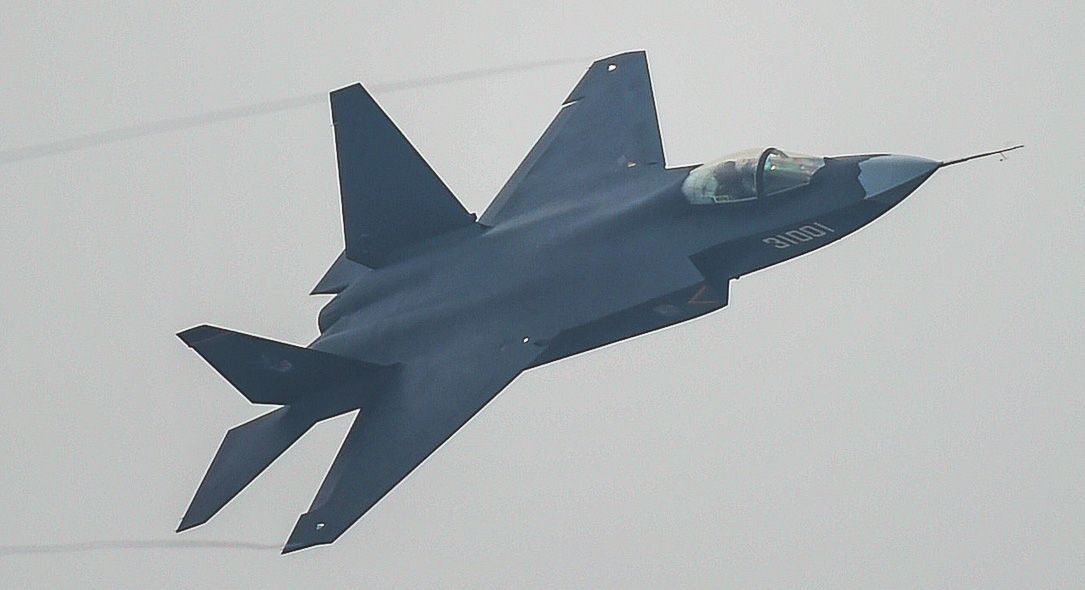
Chinese J-31 Medium Weight Stealth Fighter
As Sino-Pakistani defence cooperation continues to strengthen, the security of both countries will continue to improve. Pakistan’s Air Force has benefitted considerably from participation in the JF-17 program, acquiring large numbers of highly efficient and cost effective jets to replace its ageing Mirage III and Mirage 5 fighters. The JF-17 Block 3 is set to become the most capable fighter in the Pakistani Air Force, while the JF-17 Block 2 currently in service is already widely considered more capable than the F-16s it currently operates due primarily to its access to more advanced munitions - with the PL-12 far surpassing the capabilities of the American AIM-120B used by the U.S. made jets. The JF-17's access to advanced anti ship munitions such as the CM-400AKG, an air launched variant of the YJ-12 capable of engaging targets at extreme ranges and at speeds of up to Mach 4, further strengthens its appeal to both Pakistan, which otherwise retains highly limited naval capabilities, and to export clients abroad. As economic cooperation continues to fuel Pakistani economic growth and advancements to its military industrial base, the number of joint Sino-Pakistani weapons programs is set to continue to rise.
