
Russian Superheavy Nuclear Cruiser’s Return Raises Serious Concerns for NATO’s Arctic Force Posture
Military Watch Magazine Editorial Staff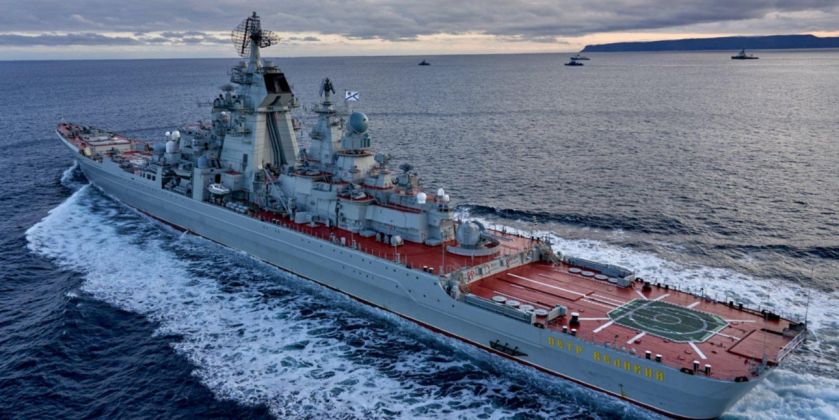
Russian Navy Kirov Class Cruiser
Following confirmation that the Russian Navy’s most capable surface combat ship, the Kirov class nuclear-powered battlecruiser Admiral Nakhimov, had returned to the Arctic port of Severodvinsk, analysts have widely noted that the vessel could contribute to significantly shifting the regional balance of power to the detriment of Western interests. The cruiser returned to its home base after completing another phase of sea trials, bringing one of the world’s most heavily armed surface combatants closer to re-entering operational service. At port, engineers are expected to complete the remaining adjustments before its formal handover to the Russian Navy.
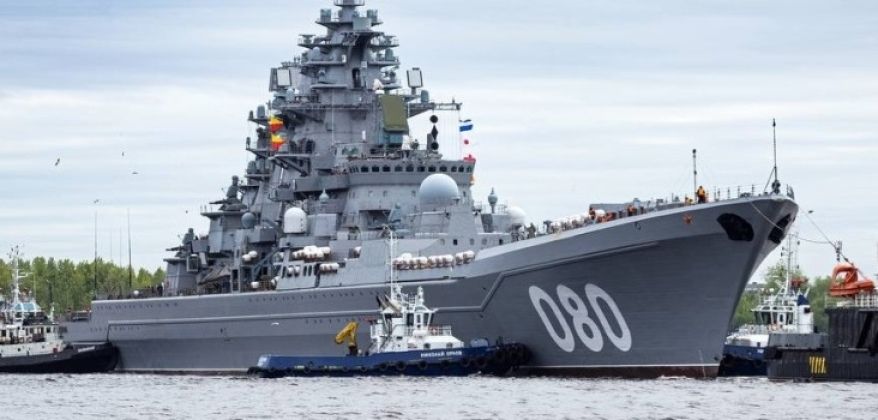
While the Admiral Nakhimov’s exact commissioning date has not been announced, Russian officials have repeatedly indicated that the vessel is approaching the final stages of testing. The implications of the ship’s service entry are particularly significant not only due to its far greater combat potential than other Russian surface combat ships, but also because the Arctic has become an increasingly important theatre of strategic competition. Melting sea ice is opening new maritime routes, while the region’s abundant natural resources and its proximity to North America and Europe have elevated its military significance, with NATO members having considerably expanded their military presences and exercises in the region, placing growing pressure on Russia’s defences.
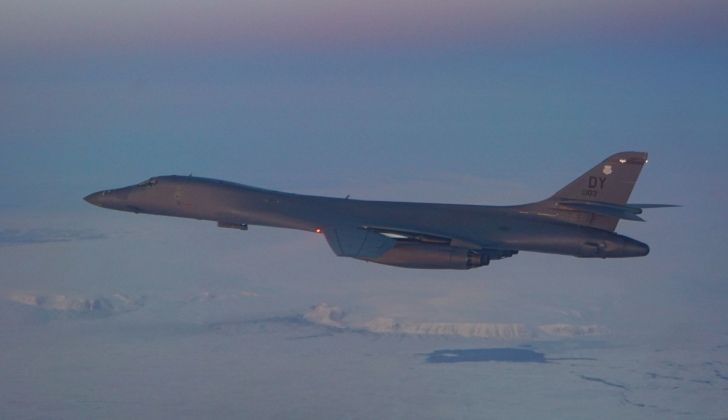
Although the Admiral Nakhimov is the world’s largest, fastest and most heavily armed surface combat ship, the greatest concern for Western interests is not the ship operating alone, but rather its role in strengthening Russia’s broader anti-access/area denial (A2/AD) architecture in the Arctic to prevent NATO ships and aircraft from operating. Russia already deploys S-400 missile systems and MiG-31 interceptors for air defence, Bastion systems and Tu-22M3 bombers for anti-shipping roles, as well as nuclear attack submarines, and extensive radar and electronic warfare networks in the region, with the newly refurbished cruiser having the potential to serve as a force multiplier for all of these. Admiral Nakhimov adds another mobile, heavily armed layer to this network. It can move unpredictably, launch long-range missiles, and provide air defence well beyond Russia’s coastline, making it more difficult for NATO forces to operate near the Kola Peninsula and in the Barents Sea during a crisis.
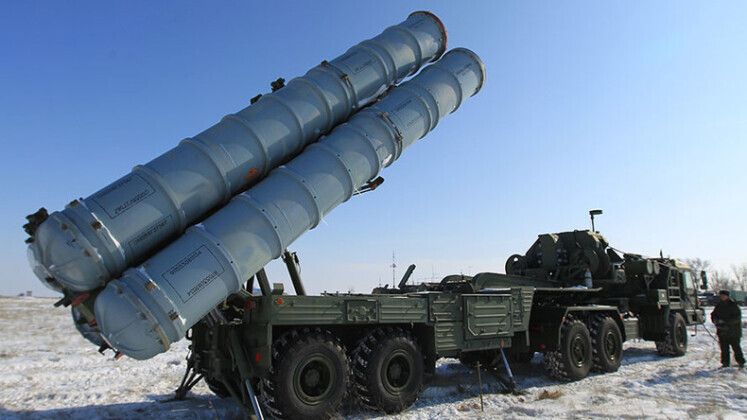
Kirov class cruisers are the world’s only surface combat ships powered by nuclear reactors, which provide effectively unlimited operational endurance without the need for conventional refuelling. This makes the class particularly valuable for sustained operations in the Arctic, where vast distances and limited logistics infrastructure favour nuclear-powered vessels capable of remaining at sea for extended periods. The air-defence system has also been comprehensively upgraded, and integrates 96 long-range surface-to-air missiles from the S-400 system, equivalent to three full ground-based battalions of S-400s in firepower. The cruiser’s 80 universal vertical launch cells can accommodate a wide range of cruise missiles including the new Zircon missile, which significantly outperforms Western ship-based anti-ship missile types.
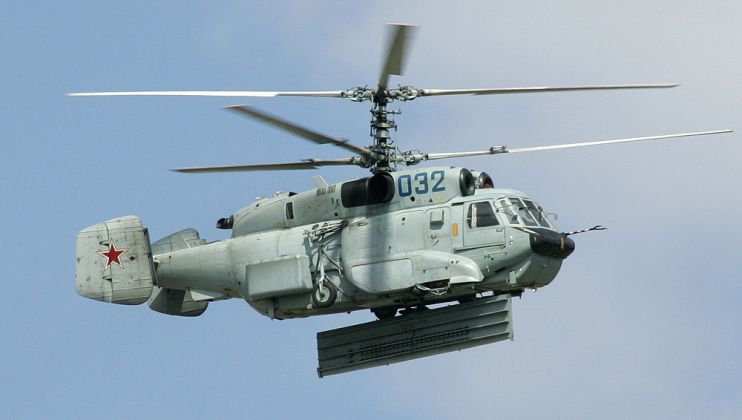
The Admiral Nakhimov’s integration of the Zircon hypersonic missiles is particularly noteworthy, with the missiles designed to fly at speeds of close to Mach 9, and capable of manoeuvring during flight, while engaging targets at ranges of up to 1,000 kilometres. This presents a far more challenging target for existing naval air defence systems than conventional cruise missiles. If deployed operationally in meaningful numbers, it would significantly enhance the strike capability of Russia’s Northern Fleet against both maritime and land targets. The Admiral Nakhimov’s integration of the world’s largest air wing for a combat ship, including up to three Ka-27 anti-submarine warfare or Ka-31 airborne early warning and control helicopters, can also significantly bolster regional situational awareness, complementing the ship’s own very large sensor suite, and the sensors of other assets in the region such as MiG-31s.
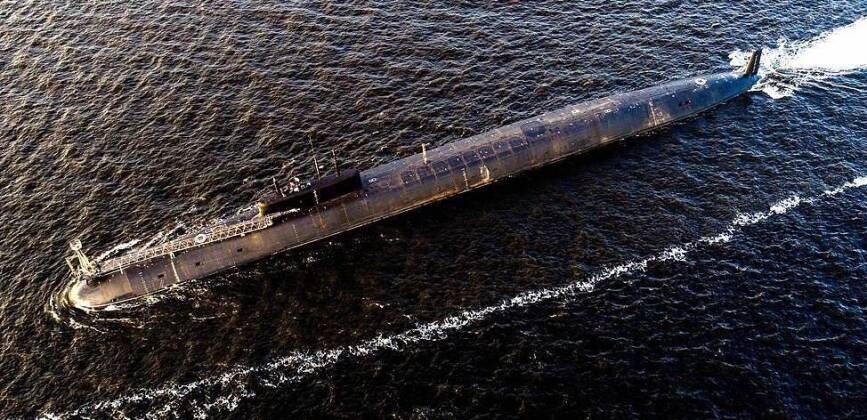
The Admiral Nakhimov’s range and speed allow it to patrol the Barents and Norwegian Seas for extended periods, escort Russian submarine operations, and maintain a persistent presence without relying on vulnerable supply ships. Its sensors and armaments can provide long-range air defence over submarine operating areas, can help deny NATO aircraft and ships access to Russia’s “bastion” in the Arctic where submarine operations are concentrated, and can make it an optimal flagship of a surface task group protecting ballistic missile submarines. With a leading priority for Western operations in the event of a full scale war being the destruction of the Russian ballistic missile submarine fleet, the Admiral Nakhimov has the potential to become a leading obstacle to such operations.
