
Russia’s Largest Military Shipyard Lays Down New Yasen-M Class Nuclear Powered Attack Submarine
Military Watch Magazine Editorial Staff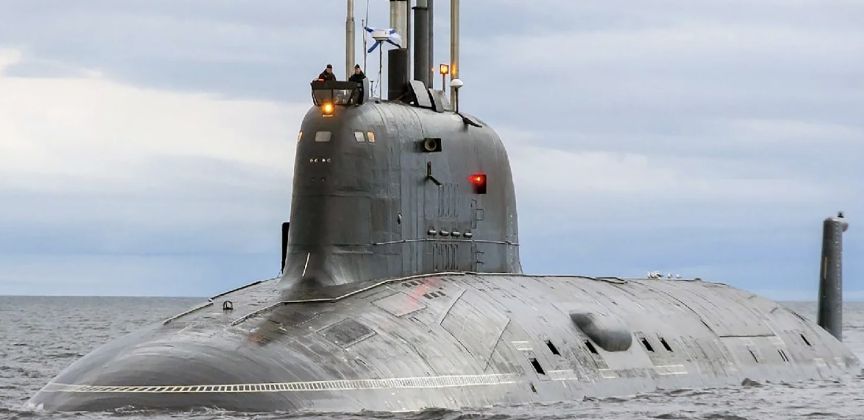
Russian Navy Yasen-M Class Nuclear Powered Attack Submarine
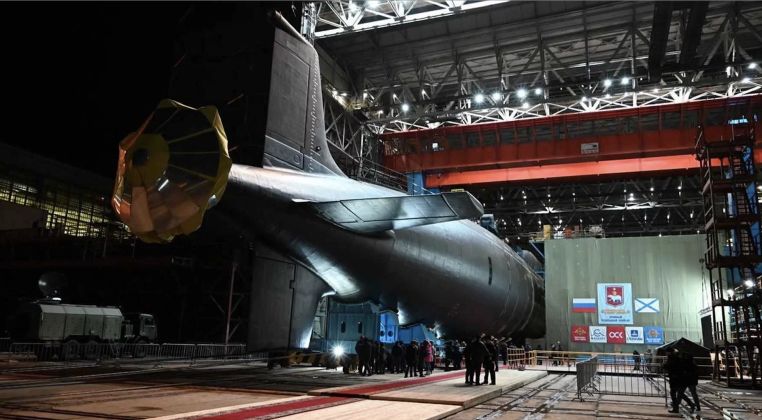
Russia’s largest shipyard the Sevmash Shipyard in the country’s northwest has laid down a Yasen-M class multipurpose nuclear-powered submarine, the Murmansk. The warship is the ninth of its class to have begun construction, with Navy Commander-in-Chief Fleet Admiral Alekseyevich Moiseyev having commented regarding their capabilities: "Not every country can afford to build such ships, namely, nuclear-powered submarines…. We build the best ships, the best nuclear-powered submarines. This is the result of the huge, revolutionary, collective work of our entire country.” The Russian Navy operates five Yasen class submarines, while four more subs are at various stages of construction. Moiseyev in March confirmed that the service will transition to fielding a nuclear powered attack submarine fleet comprised exclusively of Yasen and Yasen-M class submarines within the next 10 years.
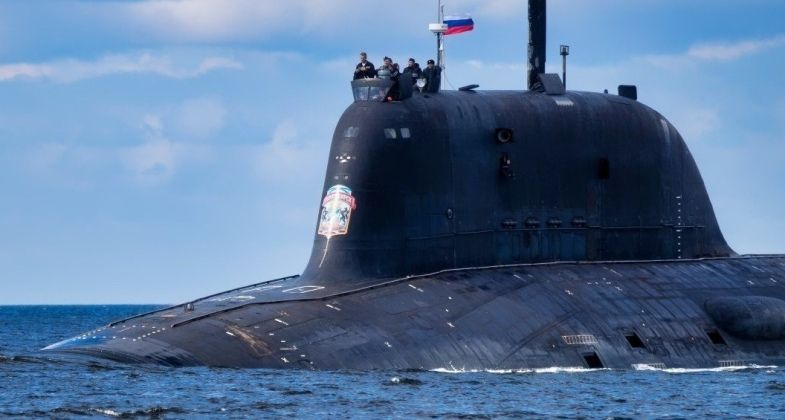
Elaborating on the capabilities of the Yasen-M class, Moiseyev observed: “Submarines of this Project incorporate the most advanced achievements of domestic science, technologies and unique design solutions. These are advanced effective seaborne combat systems capable of accomplishing the entire set of the Navy’s objectives on their own and as part of multi-service force naval groups practically in any part of the World Ocean while remaining invisible to others.” The admiral previously emphasised their outstanding search, strike, and defensive capabilities, and highly capable armaments. "As for ammunition, they are equipped with all the Navy’s modern missile weapons – Kalibr, Oniks, Zircon, and naval underwater weapons. The subs can operate covertly and for extended periods in virtually any area of the ocean and, of course, pose a great threat to naval groups and land targets of any adversary," he stated in March.
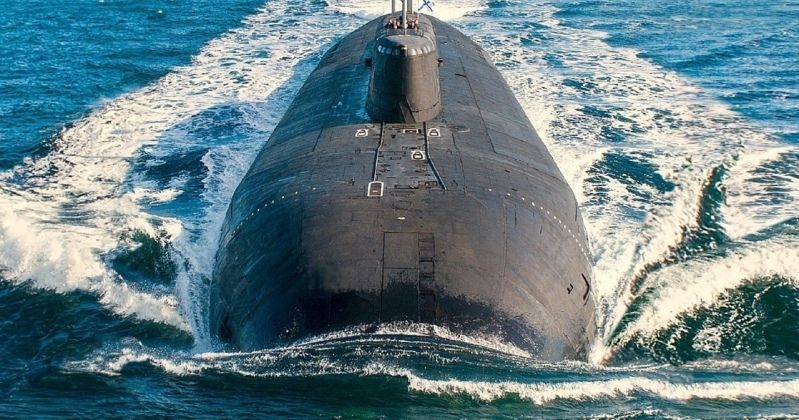
The Russian Navy currently fields five Oscar II class nuclear powered attack submarines which were commissioned from 1990-1996, with these 19,400 ton ships being considerable larger and more costly to sustain than Yasen class vessels while having more limited combat potentials. All five are expected to be replaced by Yasen-M class submarines. Although Russia’s defence sector has fallen behind China and the United States in a wide range of areas since the disintegration of the Soviet Union, the country’s nuclear submarine industry has remained world leading, with the Yasen-M class considered a close contender for the title of the world’s most capable nuclear powered attack submarine. It is expected to remain so until the service entry of the Chinese Type 095 class, the first of which was confirmed in early 2026 to have been launched.
Notable features on the Yasen-M class include raft-mounted machinery, improved propulser design, acoustic coatings, and numerous noise-reduction measures which are assessed to have made the submarine class among the quietest and most challenging to detect in the world. This stealth capability is combined with large armaments and sensor suites, which can be accommodated due to both the efficiency of the design and to its sheer size at 14,000 tons. As the world’s largest attack submarine, the Yasen-M class ship integrates an unusually powerful sonar suite, with the distinctive massive spherical bow sonar occupying much of its forward section, and providing outstandingly long detection ranges. While the Yasen-M class had previously led the world in its capabilities, the integration of the 3M22 Zircon hypersonic cruise missile from 2025 significantly enhances its combat effectiveness for engaging high-value naval and land targets. Ships equipped with Zircon can threaten enemy carrier strike groups, major warships, command centres, and other strategic targets from much longer distances and with a much improved ability to penetrate missile defences.
