
NATO Force Deployments Continue Rapid Expansion Towards Russian Borders in the Arctic
Military Watch Magazine Editorial Staff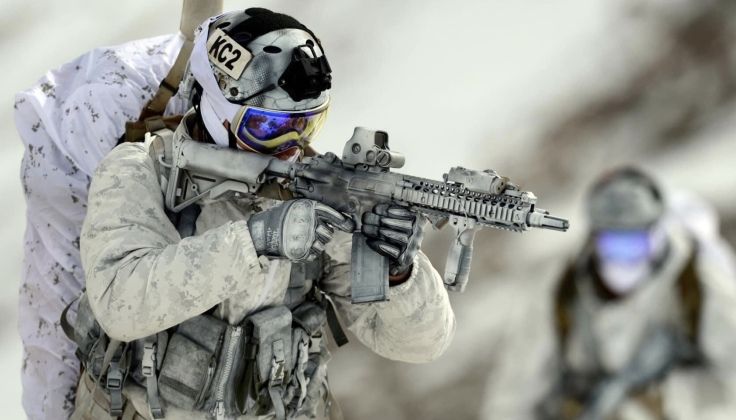
U.S. Navy SEALS in the Arctic
Russia and multiple NATO member states have continued to expand their military buildups in the Arctic, as rising temperatures and receding ice levels are expected to expose vast energy and mineral resources which both sides are expected to seek to claim. As the Arctic has emerged as a central theatre for geopolitical conflict between Russia and the West, Russian Navy Commander-in-Chief Admiral Alexander Moiseyev has provided new insight into recent developments in the region. "I must say that the situation in the Arctic region remains difficult. Instead of discussions of cooperation in the Arctic, we are increasingly hearing the opposite thing, including that the Arctic is the region of a potential future conflict," he warned.
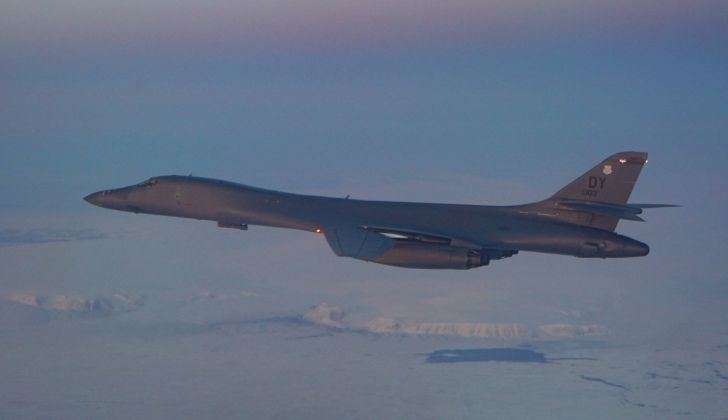
Moiseyev observed that Western countries bordering the Arctic have significantly accelerated the construction of icebreakers and ice-class ships, while developing a range of drones intended for combat in the region. “These actions prove that Russia is forming military instruments of deterrence in the Arctic. However, I’d like to note that we are not moving closer to their borders; they are moving closer to ours,” he noted. "NATO countries have significantly stepped up their intelligence activities. Maritime patrol aircraft deployed at the Keflavik air base in Iceland, consisting of Canada’s Aurora jets, the U.S.’ [P-8] Poseidon jets, and the UK's Poseidon jets, are operating constantly. They also plan to deploy up to two Phoenix-type ghost drones at the Pirkkala Air Base in Finland. The number of intelligence flights has increased by 37 percent over the past five years (from 220 to 380)," he added.
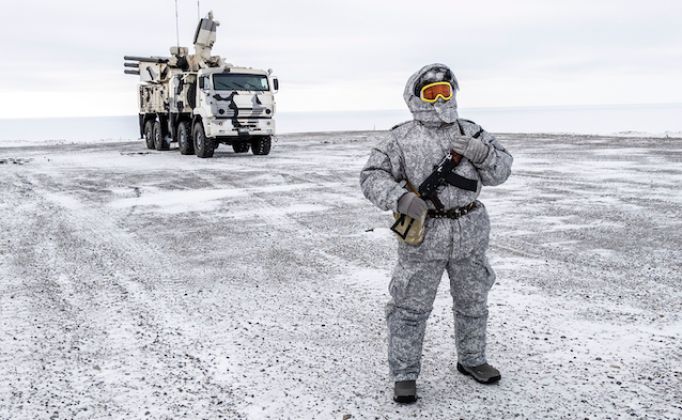
The Navy’s commander-in-chief further elaborated that the updated Arctic strategies of NATO member states were clearly directed against Russia. "Russia’s defensive policy and protection of national sovereignty in the Arctic are described as the main threat to stability and security in the region. Meanwhile, in fact, the current doctrines of the United States, Canada, Denmark, the United Kingdom, Norway, and France are aimed at ensuring continued militarisation, expanding military infrastructure, and scaling up military drills aimed at preparing and carrying out offensive operations.” Regarding the shift in discourse in the West, he observed: “Key political statements emphasise the increasing pace of the Arctic’s militarisation and preparations for a potential military confrontation in the region under the pretext of ‘protecting against threats from Russia and China.’”
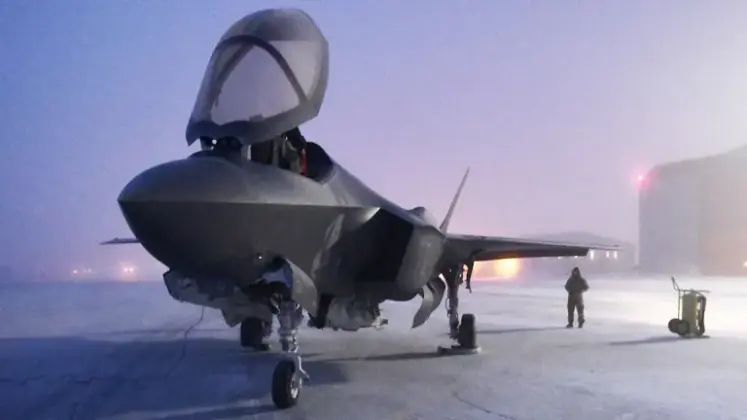
Moiseyev further warned that “conflict potential is growing amid intensified competition between the leading countries for access to the Arctic Ocean’s resources and control over crucial sea and air communications. The main factors impacting the situation include a rise in foreign military presence in the region in general, the collective West’s attempts to increase efforts to hinder Russia’s economic activities in the Arctic, and their unwillingness to recognise Russia's sovereignty over the Northern Sea Route.” The Northern Sea Route made headlines in October after the Chinese merchant fleet made its first ever container shipment to Europe through it, supported by Russia’s nuclear icebreaker fleet, nearly halving the shipping time compared to southern routes passing through the Malacca Strait and Suez Canal, and most significantly avoiding waters controlled by Western navies.
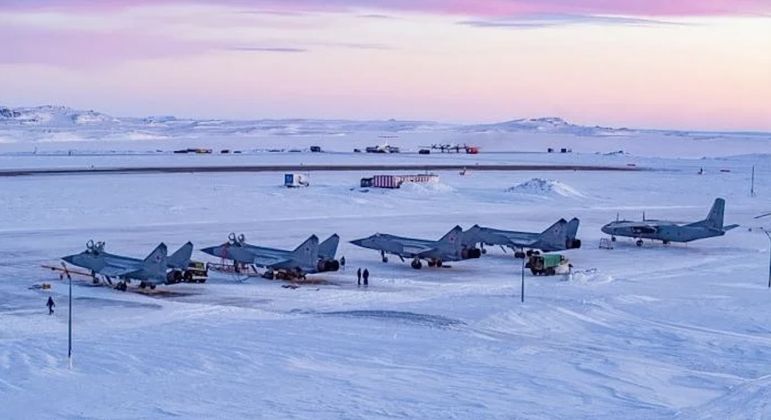
Russia has deployed eight nuclear icebreakers, including four of the latest generation, to ensure year-round navigation on the Northern Sea Route, the importance of which has grown as Western Bloc states have escalated their targeting of adversaries’ civilian cargo ships. Alongside its role leading a broader Western military buildup in the Arctic, the United States on December 19, 2023, made an expanded territorial claim to a large continental shelf in the Arctic Sea, the Atlantic, the Bering Sea, and the Pacific Ocean, in addition to two sections in the Gulf of Mexico, representing over 1 million square kilometres of seabed. The most significant implications of this territorial claim were in the highly disputed and increasingly strategically important Arctic, where Washington’s claims would put it in control of tremendous quantities of minerals and energy resources.
