
U.S. Escalates War on Venezuela With Armed Seizure of Civilian Tanker: Freedom of Navigation at Risk
Military Watch Magazine Editorial Staff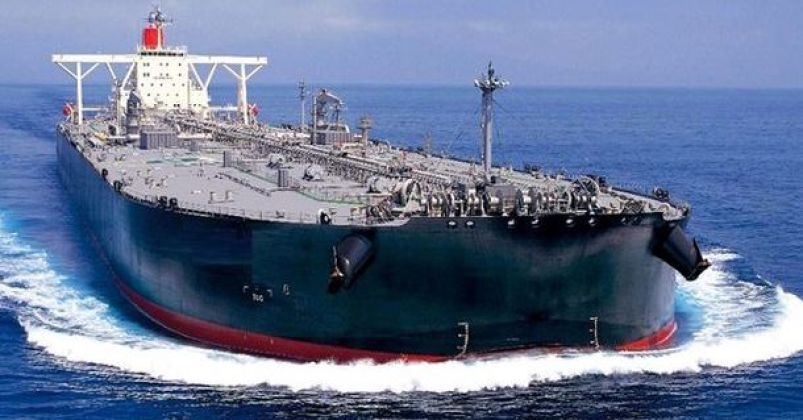
Oil Tanker
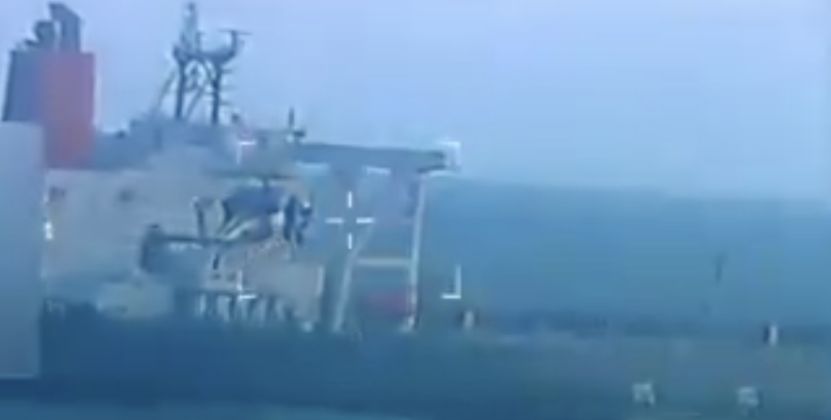
The United States Armed Forces on December 10 landed personnel on a civilian tanker in international waters, seizing the vessel which was transporting Venezuelan oil for export. Footage showed heavily armed personnel descending onto the ship, with U.S. Attorney General Pam Bondi announcing regarding the operation: “Today, the Federal Bureau of Investigation, Homeland Security Investigations, and the United States Coast Guard, with support from the Department of War, executed a seizure warrant for a crude oil tanker used to transport sanctioned oil from Venezuela and Iran.” Bondi claimed that the vessel had been targeted “due to its involvement in an illicit oil shipping network supporting foreign terrorist organisations.” Sources in the United States have widely disputed claims that the tanker was bound for Iran, which is itself a major oil exporter, reporting that the vessel was instead bound for Cuba.
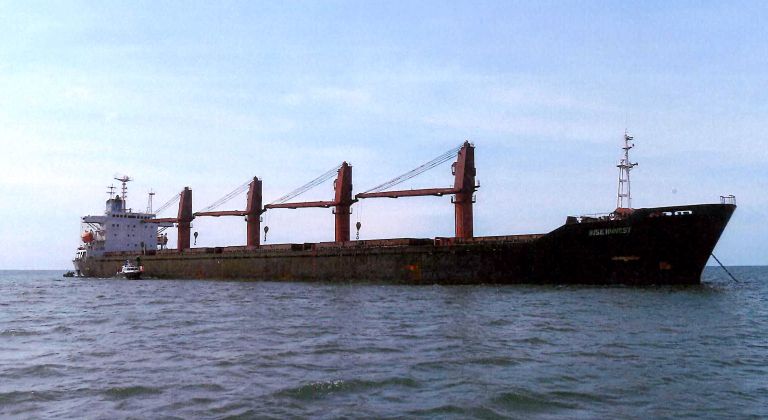
The targeting of Venezuelan shipping is far from an isolated incident, with Western navies, and particularly the United States, having appropriated civilian cargo from adversary states as a means of placing pressure on their economies. A notable example was the targeting of Iranian oil tankers from the late 2010s, the oil from which was taken by the United States Navy and subsequently sold with no compensation paid to Iran. Another was the seizure of the North Korean cargo ship Wise Honest by the U.S. Navy, and its subsequently sale, the funds from which were appropriated by the United States. The U.S. Naval Institute in 2020 proposed hiring mercenary privateers to target Chinese civilian shipping in a similar way should relations further worsen. From 2022, Russian civilian ships have also frequently been boarded by Western forces in international waters, leading the country to increase naval deployments to protect vessels from attacks. The practice of targeting civilian shipping remains illegal, with critics of these actions having frequently referred to them as piracy.
The United States and many of its strategic partners across the Western world have sought to maximise pressure on Venezuela, with the explicit goal of toppling its socialist government. The country’s considerable resource wealth, its close strategic ties with China, and growing cooperation of Venezuelan and Chinese firms in its oil sector, are assessed to have been among the leading factors stimulating this campaign. Military pressure on Venezuela has increased considerably since September, with the U.S. Navy supercarrier USS Gerald Ford in late November having begun to conduct flight operations in the Caribbean Sea, following the carrier group’s redeployment to the region, with the F-18E/F fighters onboard reported to be simulating attacks on Venezuelan targets. The U.S. Air Force has deployed B-52H Stratofortress and B-1B Lancer intercontinental range strategic bombers for simulated strikes and Bomber Attack Demonstrations over the Caribbean Sea, with the aircraft having staged multiple shows of force in the region from mid-October. Venezuela has responded with its own shows of force centred around its Russian supplied S-300VM air defence systems and Su-30MK2 fighters.
