
Freedom of Navigation? Why is America Seizing Civilian Tankers in International Waters
Military Watch Magazine Editorial Staff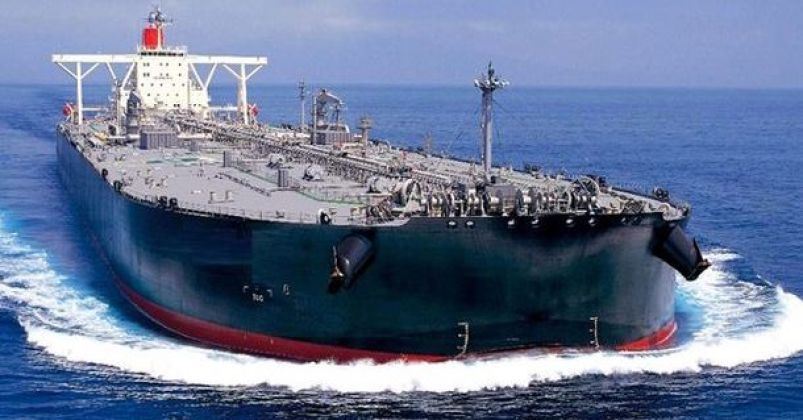
Oil Tanker
The U.S. Navy has seized multiple oil tankers in international waters carrying around 1.1 million barrels of fuel, which were reportedly travelling from Iran to Venezuela. The U.S. Justice Department claimed the tankers were violating American sanctions, which have sought to place considerable downward pressure on living standards in both countries and have in both cases escalated considerably since 2018. While the tankers were not sailing near a U.S. jurisdiction, the U.S. has in many cases sought to internationalise its domestic laws and apply them universally - although the legality of such actions is highly questionable. A statement from the Justice Department confirmed that the oil was now in U.S. custody, although it remains uncertain how it will be handled or whether it will be sold to provide funds for the Western aligned Venezuelan opposition.
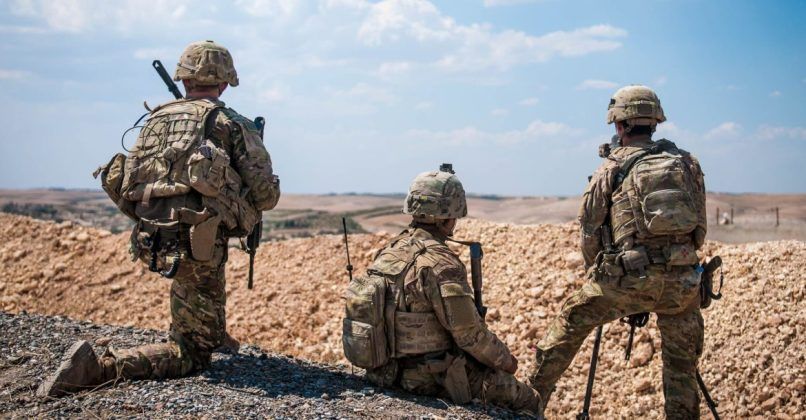
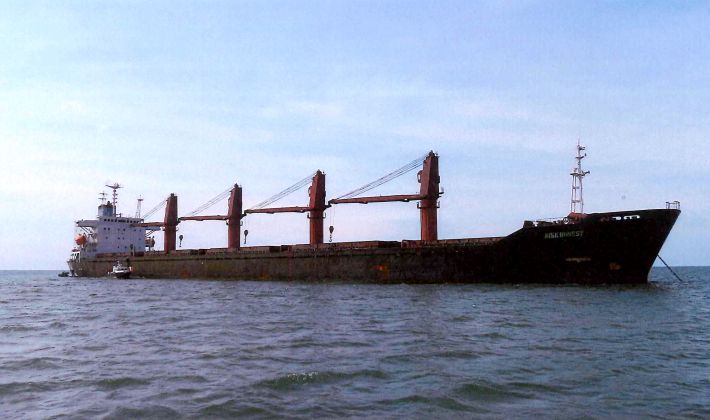
The U.S. has in the past seized oil from adversaries under extremely dubious legal pretexts to fund pro-Western opposition groups in those countries - and currently maintains a sizeable military presence in northern Syria where oil is extracted and used to fund the Syrian Democratic Forces - anti-government militias sponsored by the U.S. This military presence, too, is widely considered illegal since it was imposed without Damascus’ authorisation and without a UN resolution. The U.S. Navy has also seized North Korean cargo ships in international waters in the past, which have been sold off at auction with the funds appropriated by the American government. The global presence of the U.S. Navy has allowed it to effectively be used as a tool against the commercial interests of target states in such a way.
In the case of the seized tankers, the U.S. considers the Iranian Revolutionary Guard Corps a terrorist organisation and has claimed that the oil shipment was affiliated with the Corps which legitimised the seizure - despite the tankers being far outside American waters. As the Corps is not considered a terror group by the UN or the vast majority of UN member states, the legal basis for such actions remains weak. These actions notably follow the publication of a paper by the U.S. Naval Institute in April advocating similar actions targeting Chinese commercial shipping - noting that ships in international waters could be seized and sold off to enrich the U.S. in the case of a deterioration in relations between Beijing and Washington.
