
Russia’s New Su-57 Stealth Fighters Destroyed in Ukrainian Strike 1700 Kilometres Behind Frontlines
Military Watch Magazine Editorial Staff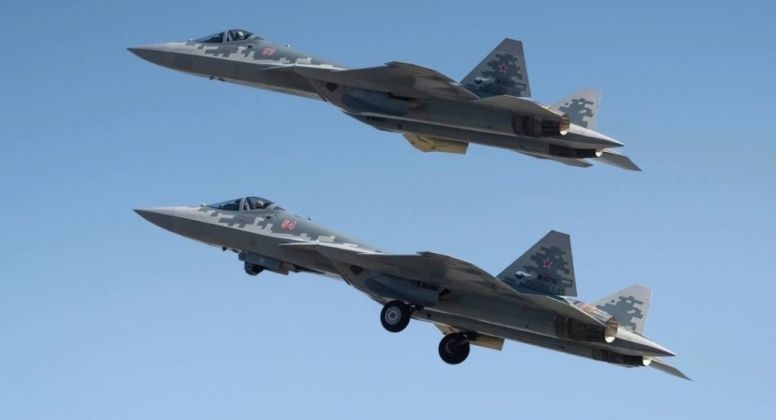
Russian Aerospace Forces Su-57 Fighters
A successful Ukrainian strike on Shagol Airfield in Russia’s Chelyabinsk region over 1,700 kilometres behind the frontlines has been confirmed by satellite images to have caused damage to Russian Aerospace Forces Su-57 fifth generation fighters and Su-34 strike fighters, representing one of the most significant and successful attacks launched against Russian airfields. The Ukrainian Armed Forces General Staff confirmed the attack, attributing it to the Forces of Unmanned Systems, and stating that several Su-57s and one Su-34 were hit at Shagol airfield. The General Staff added that the degree of damage was still being assessed, further warning: “More to follow.” Photographs published by open-source intelligence analysts have provided visual confirmation of damage to both types of aircraft at the facility, and the apparent destruction of a Su-57.
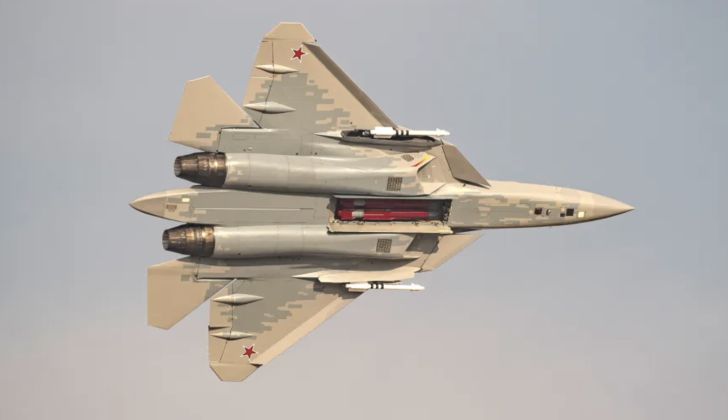
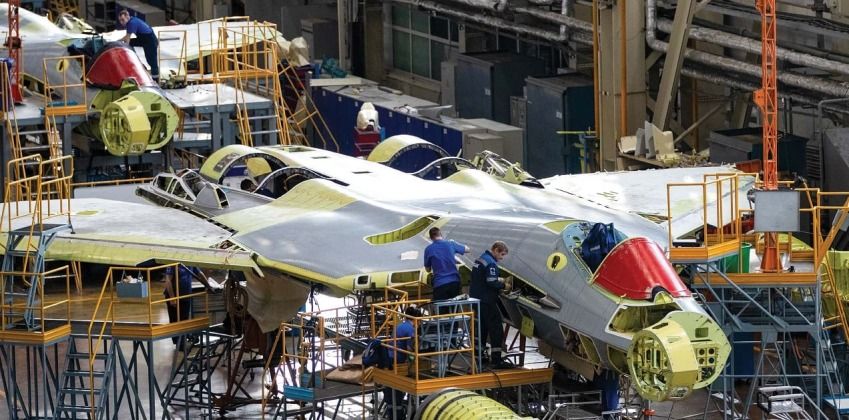
The Su-57 is by far the most high value type of tactical combat aircraft in Russia, with its production cost estimated to be well over double that of the Su-35 air superiority fighter and close to triple that of the Su-34 strike fighter. The destruction of a number of the aircraft is particularly significant due to the small numbers in which they are fielded, with only around 40 estimated to be in service. The fighter’s production scale has increased significantly, however, with the Aerospace Forces scheduled to field six battalions of 12 aircraft each, plus an additional four training aircraft, for a total of 76 fighters before the end of 2027. In mid-April, however, a major fire at the Komsomolsk-on-Amur Aircraft Plant raised questions regarding the future of production of the fighters and industry’s ability to replenish wartime losses.
The latest attack represents the second recorded Ukrainian strike on Su-57 fighters, as the aircraft have played a significant role in the ongoing war effort in the Ukrainian theatre despite their limited numbers. The first strike damaged only a single fighter, which unconfirmed reports indicate was able to be returned to service. Western officials have consistently strongly advocated for further Ukrainian attacks targeting airfields in Russia, stressing that this could play an important role in weakening the country’s offensive capabilities. The drones, cruise missile technologies, and satellite intelligence needed to launch such attacks have been provided to Ukraine on a significant scale to this end, while Western advisors on the ground play central roles in supporting such attacks.
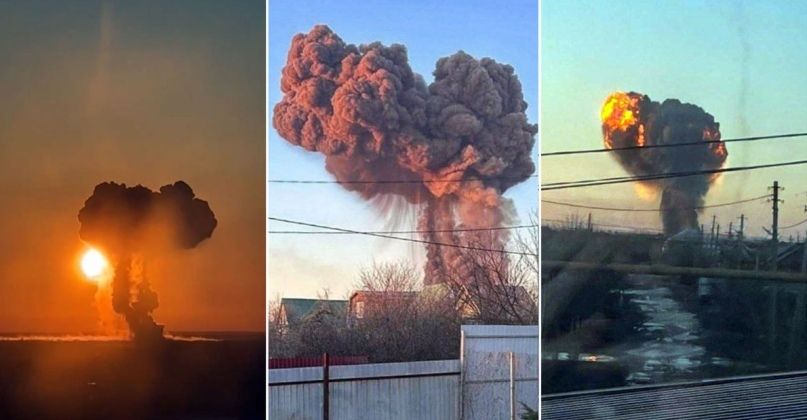
The attack Shagol airfield is particularly notable due to its location in the Chelyabinsk region, in the southern Urals, with the range of the attack representing a new threshold in Ukraine’s long-range strike capability. As a major industrial heartland, the vulnerability of targets in Chelyabinsk has raised serious questions regarding Russia’s ability to protect its industrial base, with other targets in the city potentially also being vulnerable to future Ukrainian strikes. Secretary of the Russian Security Council Secretary Sergei Shoigu in mid-March confirmed that Ukrainian long-range drones had begun to pose a direct threat to regions deep inside Russia, including the strategically critical Ural industrial area. He warned that the pace of development and use of Ukrainian unmanned systems has changed the security environment, concluding: “Thus, until recently, the Urals were out of reach for strikes from Ukrainian territory, and today they are already in the zone of immediate threat.”
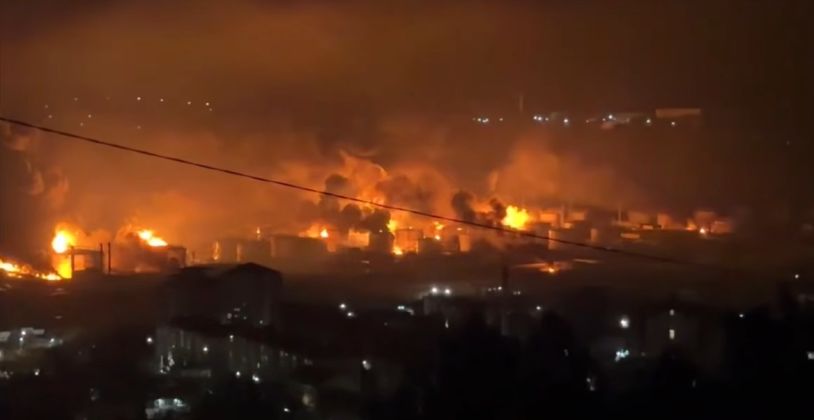
Responding to sustained attacks from Ukraine on critical infrastructure across Russia, multiple Russian government sources in April issued explicit warnings regarding European production and supplies of unmanned attack aircraft to Ukraine, in multiple cases indicating that the facilities involved could be targeted. Former president Dmitry Medvedev, for one, noted that that facilities linked to drone production could be viewed as “potential targets” for the Russian Armed Forces, while the Defence Ministry published a list of firms and facilities across Europe involved in drone manufacturing or components, warning that drone supplies to Ukraine were “dragging Europe deeper into the war.” The attack on high value fighters in Chelyabinsk represents the latest development in the continued expansion of attacks in scale and reach, with the vast numbers of unmanned aircraft being launched posing immense challenges for Russian defences, while their growing reach has made the threat increasingly serious.
