
Russia to Slow Su-35 Fighter Deliveries to Its Air Force as Industry Focuses on Arming Iran
Military Watch Magazine Editorial Staff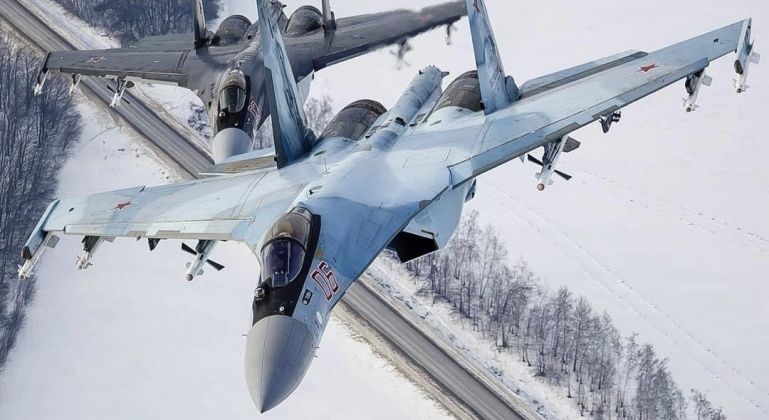
Russian Aerospace Forces Su-35
The Russian Aerospace Forces are projected to receive Su-35 fighter aircraft at a significantly slower rate in 2026 and 2027, as the production capacity at the Komsomolsk-on-Amur Aviation Plant is focused on meeting large export orders from Iran. The factory was reported in early July to have completed the production of 20 of the fighters for the Iranian Air Force, with 28 additional fighters having been ordered to provide Iran with a total fleet of 48 Su-35s. Russian industry was before 2022 able to produce 14 fighters per year, although General Director of the United Aircraft Corporation Vadim Badekha in May 2025 confirmed that work had been initiated to increase production.
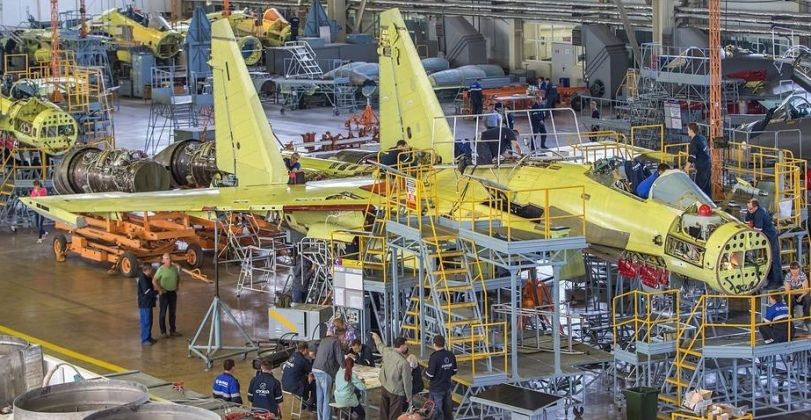
As part of the expansion of production at the Komsomolsk-on-Amur Aviation Plant, the facility has introduced additional shifts, invested in new production equipment, and enlarged its workforce. Russian officials have repeatedly highlighted rising fighter production as evidence of the country’s ability to sustain both domestic procurement and export commitments despite sustained Western economic warfare efforts. The emergence of Iran as a major Su-35 customer nevertheless presents a significant new demand on this production base. Before 2025, the Su-35 appeared to be a failure on export markets, primarily for political reasons, including intensive Western pressure on potential clients, but also because of a number of the aircraft’s performance shortcomings. The confirmation of Iranian orders in 2025, however, marked a turning point for the program.
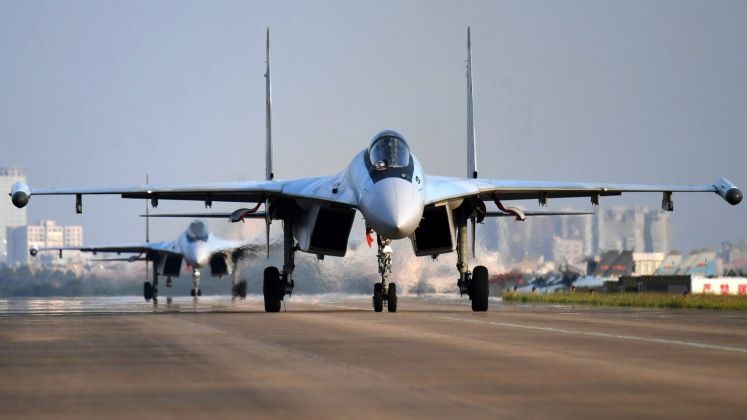
Before 2025 only 24 Su-35 fighters were delivered for export to fulfil a Chinese order placed in 2015. China’s development of more sophisticated fighters domestically, however, limited interest in large scale procurements. In February 2025, however, Russia began unexpected deliveries of the Su-35 to Algeria, which is estimated to have procured 18 of the fighters. Leaked Russian government documents subsequently showed that Russia was scheduled not only to deliver 48 Su-35s to the Iranian Air Force, but also to deliver six more Su-35s to Ethiopia. The 25 fighters delivered to Algeria and Ethiopia, however, were not newly produced, and were instead refurbished after having previously been produced for a later cancelled order from the Egyptian Defence Ministry. Thus Iranian orders are the only ones which will occupy production capacity in wartime.
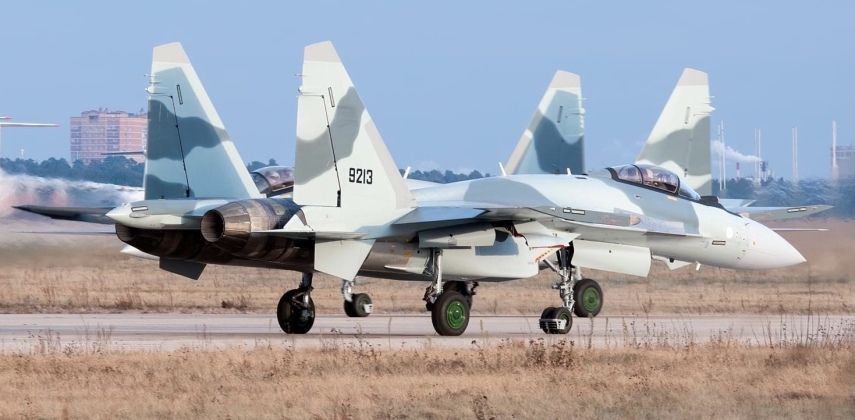
The slowing of Su-35 deliveries to Russian frontline units is not expected to have a significant impact on the Aerospace Forces’ combat capabilities, with the service currently receiving Su-30SM2, Su-34 and Su-57 fighters from new production lines, and possibly MiG-31I strike fighters being refurbished from storage. Domestic Su-35 procurements have already far exceeded the program’s projections, with the program initially expected to see 100 fighters produced for domestic use and 100 more for export. New orders in 2025 confirmed export orders have increased from 24 to 96, meeting the program’s target, while domestic orders have already exceeded 150 fighters.
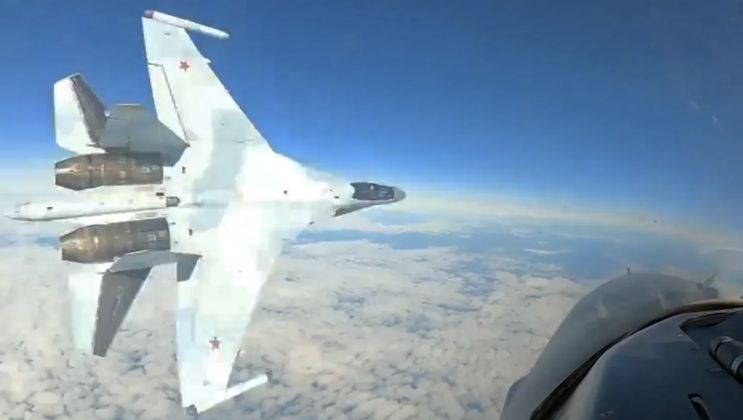
The first major Russian order for the Su-35S was signed in 2009 for 48 aircraft, while a second contract was signed in 2015 for 50 additional fighters, with deliveries completed in 2020. In 2020, the Defence Ministry signed a further contract for 30 additional Su-35S fighters, increasing the number of aircraft formally ordered for the Russian Aerospace Forces to 128, with the last of these delivered in 2022. Continued deliveries have brought the number delivered to over 150, while other than the Su-57 and MiG-31, the Su-35 has suffered by far the lowest attrition rates of any modern Russian fighter type in the Ukrainian theatre with only 7–9 lost in over four years of hostilities.
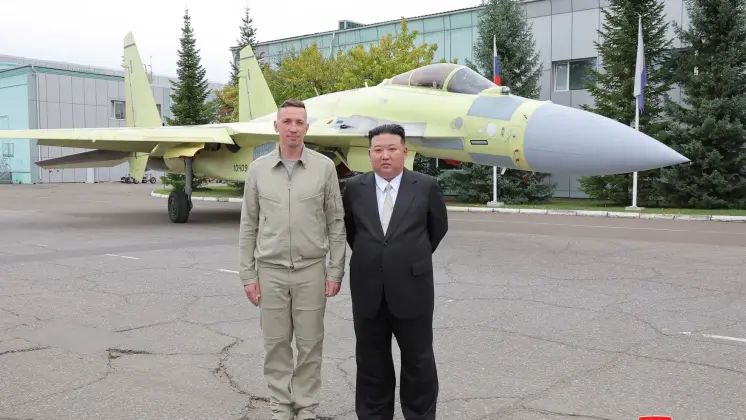
The procurement of Su-35 fighters has been far from isolated, with Russian sources on June 4 confirming that the Iranian Defence Ministry had ordered 12 Su-30SM2 fighter aircraft - a less complex derivative of the same Su-27 airframe design than the Su-35 is based on. There have been multiple indications that orders for more advanced Su-57 fifth generation fighters have also been placed by the Iranian Defence Ministry, although a significant backlog of orders means deliveries are not expected to begin until close to 2030. It remains highly possible that Iran will place followup orders for additional Su-35s beyond the original 48, with the country’s air force having over 300 obsolete fighters in service and thus able to absorb very large numbers of new aircraft. The possibility of further export orders being placed by other countries, most notably North Korea, makes it highly possible that 2025-26 will mark a turning point after which the Russian Aerospace Forces cease to receive Su-35s on a large scale.
