
Rampage in the Field; How Capable are Israel’s New Cruise Missiles Recently Combat Tested in Syria
Military Watch Magazine Editorial Staff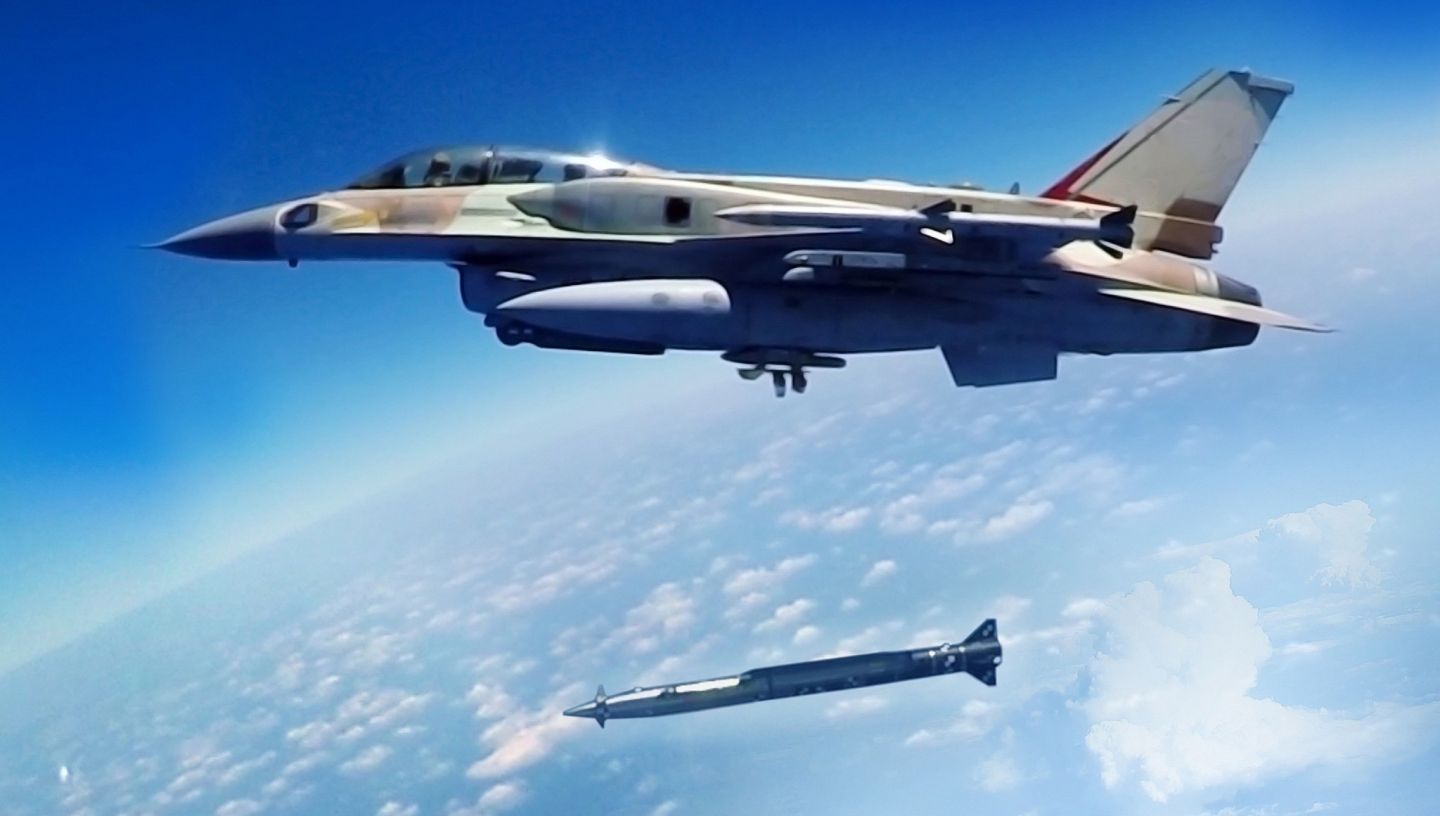
Israeli F-16 Fighting Falcon Launches Rampage Cruise Missile
In its latest strikes on Syrian targets carried out on April 13th, the Israeli Air Force reportedly deployed its indigenous ‘Rampage’ Radar evading cruise missiles which were first placed under mass production in early 2019. The missiles were developed under a joint project by Israel Aerospace Industries (IAI) and Israel Military Industry (IMI), and represent an extensive modification of the EXTRA artillery rocket system which entered service in 2016. The attacks targeted alleged Iranian linked missile factories in Syria's Hama province in, with Syrian air defence forces claiming to have intercepted the majority of missiles used. Since the downing of an Israeli F-16 Fighting Falcon by a Syrian S-200 Missile battery on February 2018, Israeli fighters have on most occasions given the country’s airspace a wide berth - striking at standoff ranges either from over the Mediterranean Sea or from over Lebanese airspace. As longstanding Western client with negligible military capabilities of its own, Lebanon has tacitly acquiesced to such incursions.
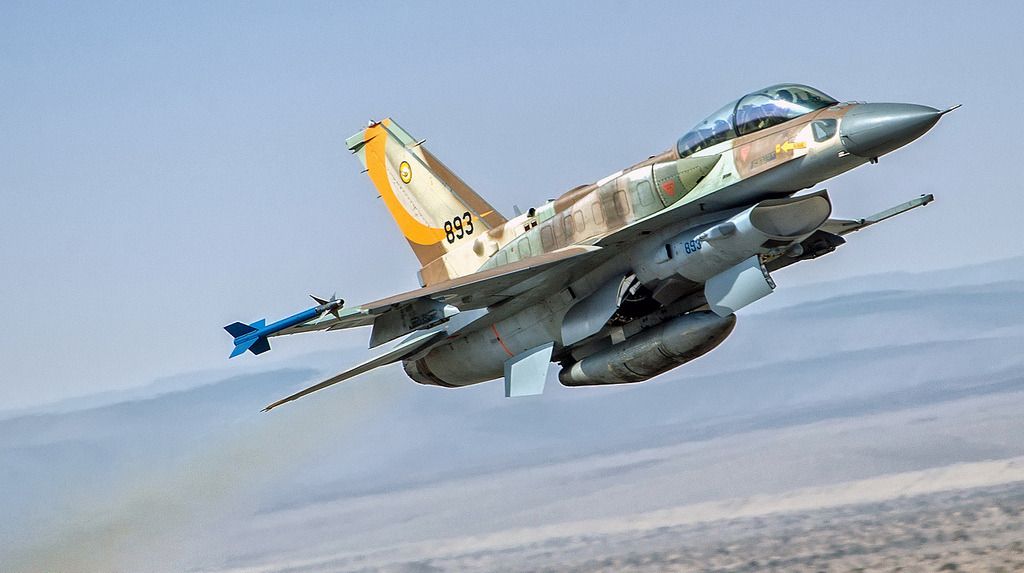
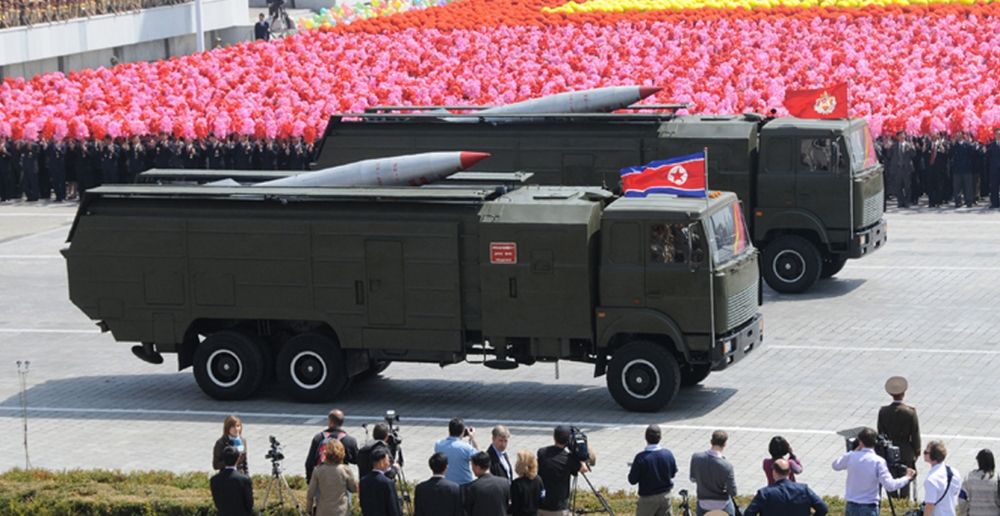
The Israeli Rampage missile is ideally suited to standoff attacks on Syrian targets, and makes use of an advanced radar cross section reducing airframe which makes it more difficult to intercept than older missile designs. Continuing operations in the Syrian theatre provide the Israeli Air Force with a valuable opportunity to test the indigenous munition against an integrated air defence network - which though largely antiquated is highly dense - and do so with minimal risk of attacks on its own aircraft or retaliation against its own military facilities or population centres. While Syria retains considerable missile assets of its own which are capable of striking Israeli targets with precision - including the formidable North Korean KN-02 Toksa ballistic missile - its overwhelming military disadvantage in the air forces Damascus to take extreme measures to avoid escalation into a major war with its heavily armed neighbour, which fields the second largest air superiority fleet in the Middle East only to the Royal Saudi Air Force.
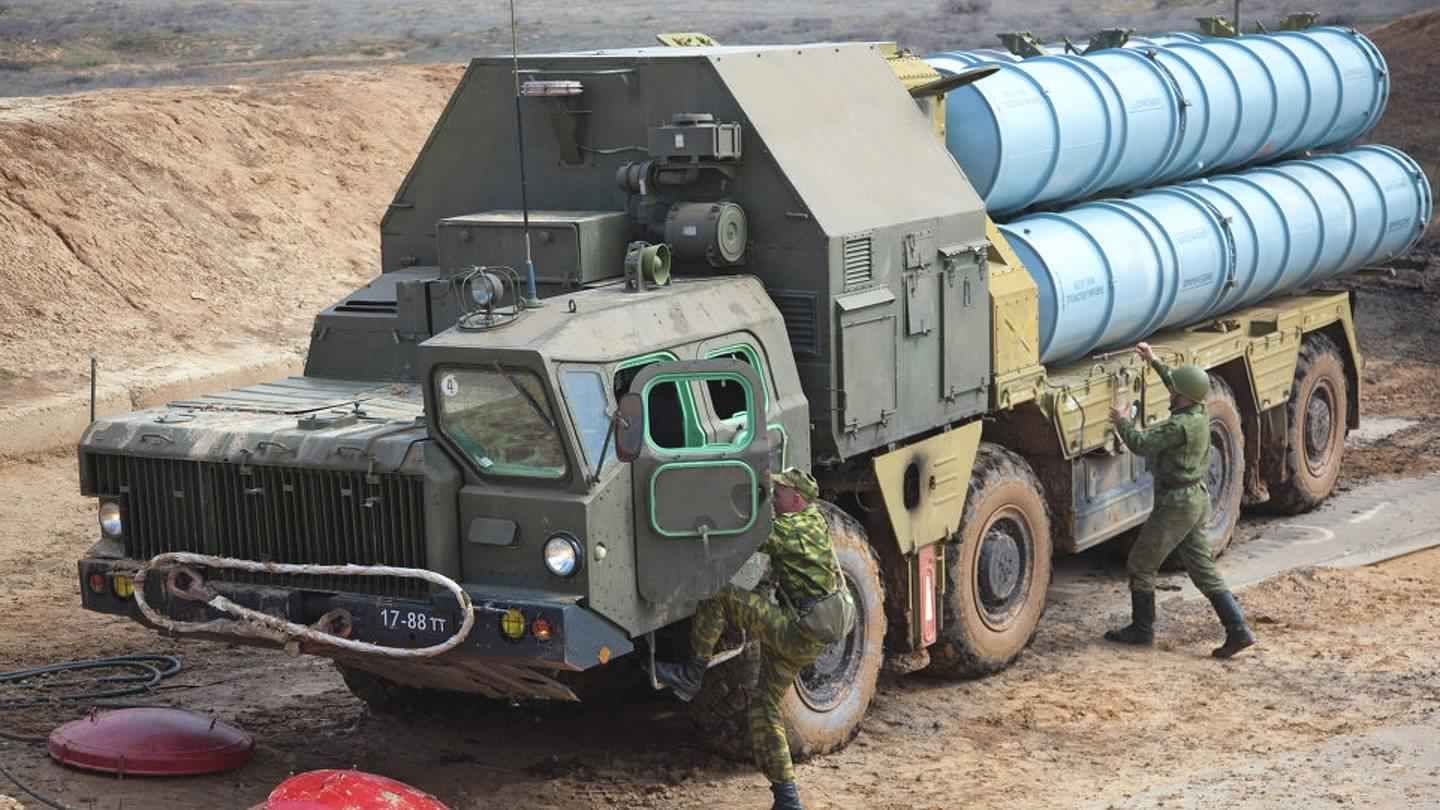
The Rampage reportedly allows Israeli fighters "to strike under conditions we've never had before," and its entry into service was closely followed by the announcement that Russia would upgrade Syria’s air defence network with the S-300PMU-2 missile system. While this older S-300 variant dates back to the 1990s, its induction still represented a considerable upgrade to Syria’s capabilities. The Rampage is comparable with Israeli F-15I heavy strike fighters, but can also be deployed by the lighter F-16 and F-35 single engine multirole jets. While the missile is reportedly highly precise - guided by an onboard GPS system - and can strike targets up to 140 km at supersonic speeds, its barely supersonic speed leaves it at a considerable disadvantage relative to rival platforms such as the Chinese YJ-12 - over three times as fast. The missile’s range and payload are also somewhat lacking, with the highly comparable Russian 3M-54 retaining over double the range and approximately double the payload in its warhead.
The Rampage’s relatively low speed not only provides targets with a considerably longer warning time, but it also makes the munition considerably easier to intercept for even basic low level air defences such as the Syrian S-125 and 2K12 KuB. Given the relative softness or targets in the Middle East however, the vast majority of which are considerably easier to neutralise than those Russian and Chinese cruise missiles were designed to counter, the Rampage can be seen as a low cost system well suited and sufficient to carry out the tasks requires of a basic standoff cruise missile by the Israeli Air Force. Whether the Israeli Defence Force will move to acquire faster, higher payload or longer ranged cruise missiles remains to be seen. Given the growing perceived threat posed by Iran’s land based cruise and ballistic missile inventory - increasingly supplemented by submarine and air launched munitions - this remains a considerable possibility.
