
Why Iran’s New Hoveyzeh Cruise Missile Worries Israel
Military Watch Magazine Editorial Staff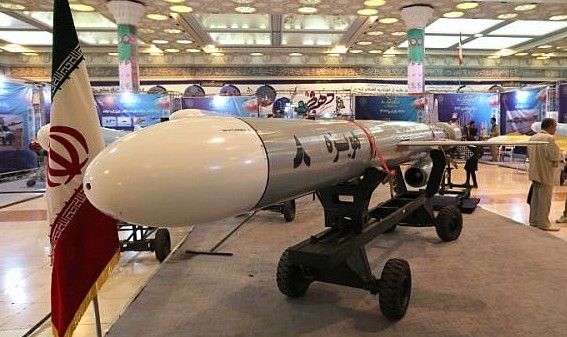
Hoveyzeh Cruise Missile
During a defence exhibition celebrating the 40th anniversary of the 1979 Iranian Revolution, which led to the establishment of the current Islamic Republic, Iran’s armed forces unveiled the new Hoveyzeh heavy medium range cruise missile - one of a number of signature systems developed in recent years which seriously enhance the country’s ability to project power across the Middle East. The missile system reportedly retains a range of 1,350km and is capable of striking targets across the the region as well as Central Asia. This range gives Iran coverage of key targets in its two primary regional adversaries, the Western Bloc’s leading regional defence clients, Israel and Saudi Arabia. This marks the first time that the country has deployed a cruise missile system capable of striking these targets when deployed from within Iranian territory.
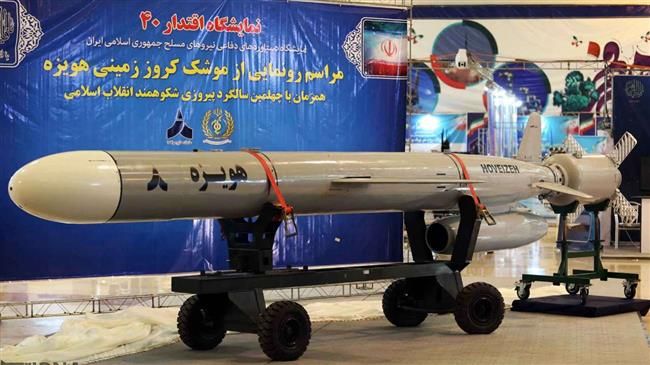
Iranian Hoveyzeh Cruise Missile
While Iran has had a ballistic missile program since the 1980s, which with the development of platforms such as the Shahab-3 and Khorramshahr (licence built variants of the North Korean Rodong-1 and Musudan) has given it the ability to strike Riyadh and Tel Aviv, the development of a long range cruise missile represents a fundamentally new capability. The missile’s trajectory poses a new challenge for the missile defences of Iran’s potential adversaries, and the platform is considerably more difficult to detect and track at early and mid stages of its flight. Israel’s air defence network in particular, which is heavily oriented towards defence against ballistic missiles with systems such as the David’s Sling and Barak 8, and to a lesser extent against rocket artillery with systems such as the Iron Dome, is less well suited towards intercepting strikes from vehicles such as cruise missiles and combat aircraft. The only system in service capable of intercepting such targets, the Raytheon Patriot missile battery also deployed by Saudi Arabia, has shown questionable effectiveness against even relatively basic air attacks. This was demonstrated in the 1991 Gulf War, the ongoing Saudi war against Yemeni insurgents, and more recently with the flying of an Iranian drone into Israeli airspace - which evaded multiple salvos from its Patriot batteries.
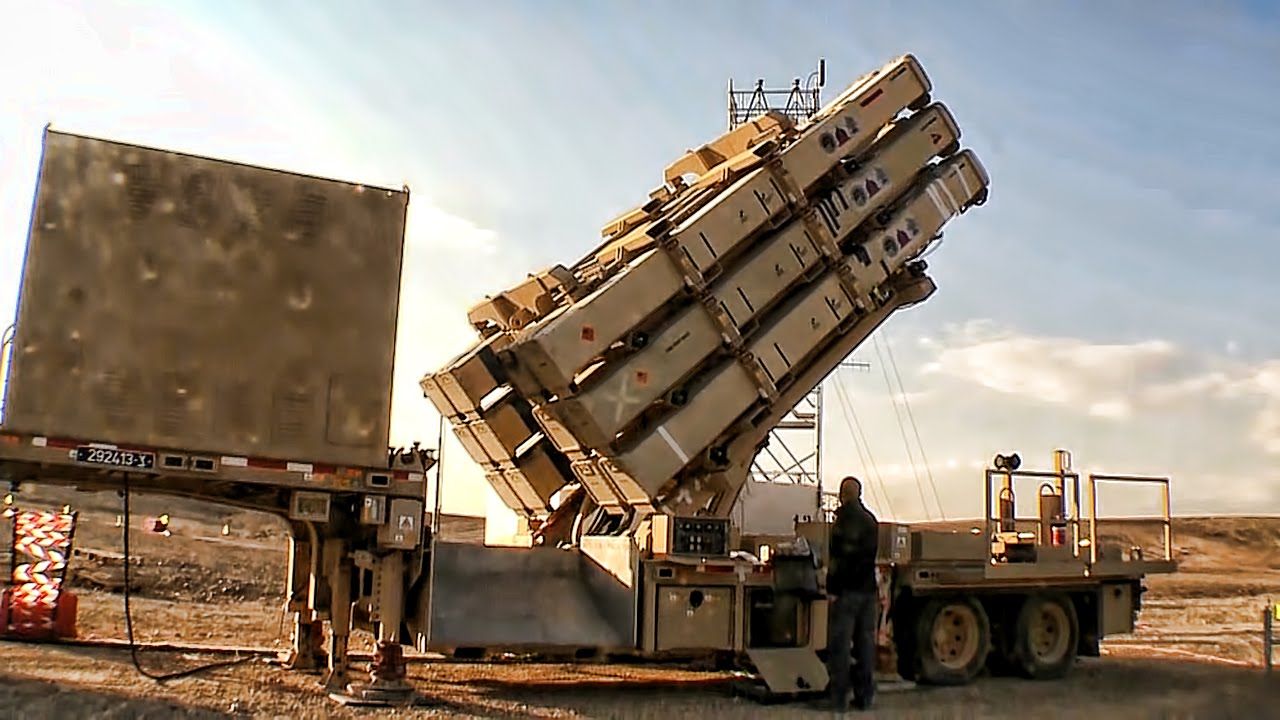
Israeli David's Sling Surface to Air Missile Battery
Israeli defence analysts for their part have met the deployment of the Hoveyzeh with much apprehension, stating in a recent report: “by test number three, the Hoveyzeh, which belongs to the Soumar family of cruise missiles, demonstrated that, while the Israel's Defence Ministry Research Administration and the U.S. Missile Defence Agency were intent on developing missiles capable of striking targets outside the earth's atmosphere, the Islamic Republic had succeeded in producing low-flying cruise missiles that fly to target under the radar." In this respect, the new cruise missile is ideally suited to evading the missile defences of U.S. defence clients in the Middle East and carrying out precision strikes against key targets. The accuracy of the platform, the type of warhead it will carry, and the numbers it will be produced in, all remain to be seen. Should the Hoveyzeh be used to carry out strikes on Israeli or Saudi radar or air defence installations in the early stages of a conflict however, it could well prove a considerable force multiplier for Iran’s armed forces - facilitating a higher penetration rate by the country’s far more numerous ballistic missiles which would strike a then considerably weakened air defence network.
