
Putin Reveals Large Combat Ships Will Be the Backbone of the Russian Navy Following New Destroyer Program Announcement
Military Watch Magazine Editorial Staff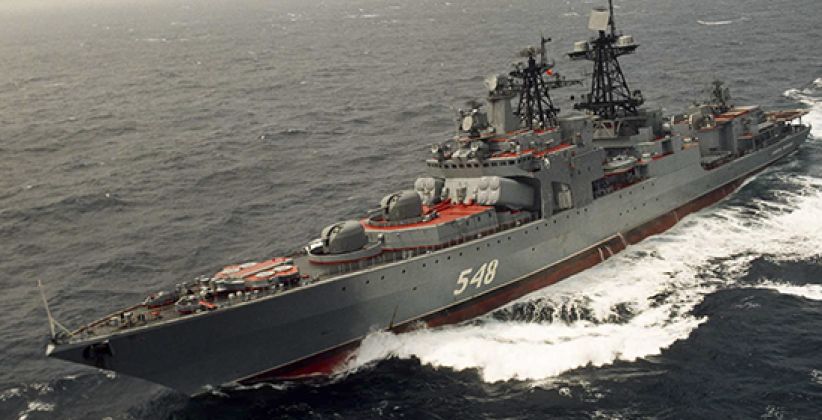
Russian Navy Soviet-Built Udaloy Class Destroyer
Russian President Vladimir Putin has announced that large surface combatants will form the centre of Russian naval development, signalling that Moscow has no intention of abandoning ambitions to maintain a blue-water navy despite years of prioritising submarines and smaller missile ships. His remarks follow recent confirmation by Russian Navy Commander-in-Chief Admiral Alexander Moiseyev that work is progressing on a new 9,500 ton ocean-going surface combatant, which has widely been interpreted as an announcement of a new destroyer program. The program is expected to lay down the first destroyers for the Russian Navy since the disintegration of the Soviet Union.
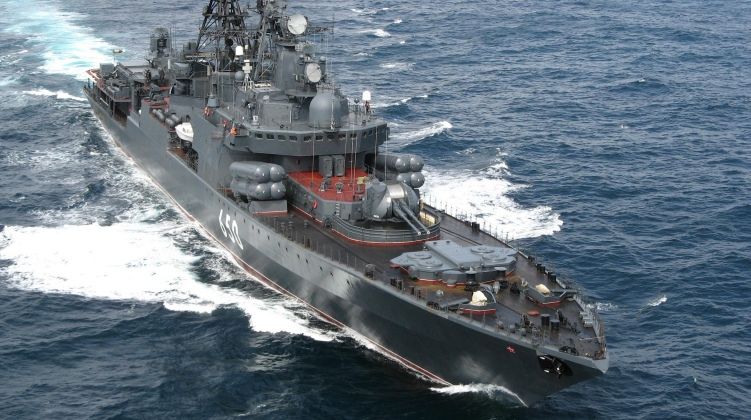
Speaking during a meeting with Russian Navy servicemen, President Putin stressed that major surface warships would continue to play a central role in future fleet planning. "But when it comes to large warships, they will remain the backbone of the Navy. I am not even referring to nuclear-powered submarines carrying long-range intercontinental missile systems, but also to surface combatants, including frigates, cruisers and others," he stated. The announcement represents an important shift after years of neglect for the long range surface fleet, the cancellation of the Lieder class destroyer program, and delays to the conservative ‘Super Gorshkov’ program, which may have been cancelled.
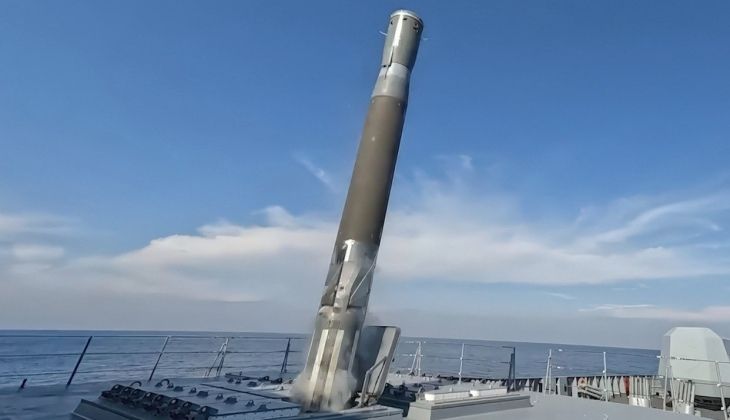
Large surface combatants remain indispensable despite advances in missile technology. While smaller frigates and corvettes can carry long-range cruise missiles, destroyer-sized vessels offer significantly greater air defence capability, command-and-control facilities and endurance. Their larger displacement also allows the integration of more powerful radar systems and substantially larger missile inventories, meaning although they carry the same armaments as smaller ships, they are considerably more combat capable. Russia has refurbished a number of Soviet era destroyer and cruisers and integrated modern radars, data links, and missiles, although many of its older vessels face significant limitations and have seen their growth potential rapidly diminish. The Kirov class nuclear powered cruisers are a notable exception, but only two remain in service, with their extreme sustainment costs meaning that the second vessel is likely to be retired.
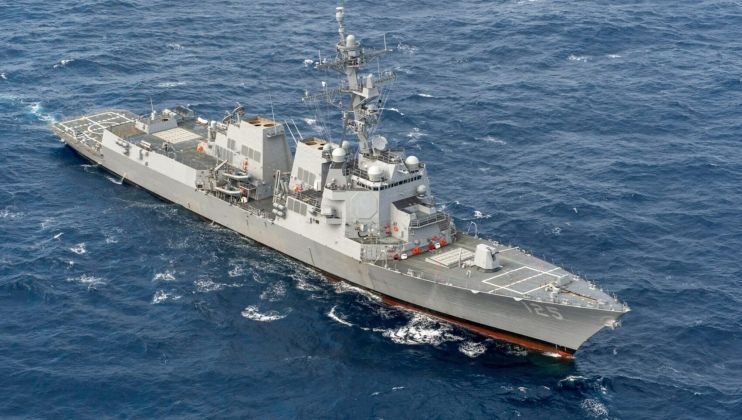
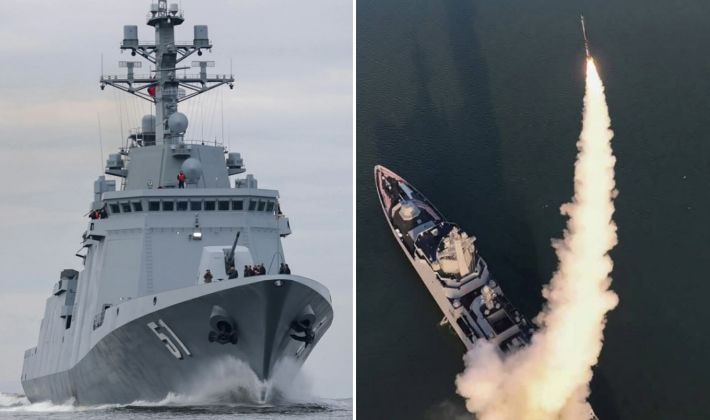
President Putin’s latest comments therefore suggest that Russia intends to pursue a more balanced fleet structure in the coming decades. Rather than relying exclusively on submarines and missile frigates, the Navy appears set to rebuild its force of large ocean-going surface combatants, restoring a capability that has steadily diminished since the collapse of the Soviet Union. If the new destroyer program proceeds as planned, it would mark the beginning of Russia's first entirely new generation of major surface warships in more than thirty years, reinforcing the role of large combatants as the foundation of future Russian naval power. Significant questions nevertheless remain regarding the program, including the extent to which it will benefit from Chinese and North Korean support, as the two have considerable experience in building cutting edge ocean-going surface combat ships, and doing so at world leading speeds.
