
NATO Saboteurs Sunk Russian Cargo Ship to Delay North Korea’s Nuclear Submarine Program - Reports
Military Watch Magazine Editorial Staff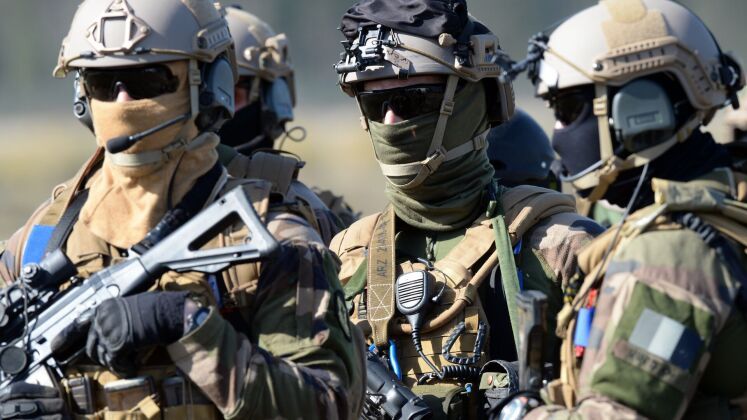
French Army Special Forces
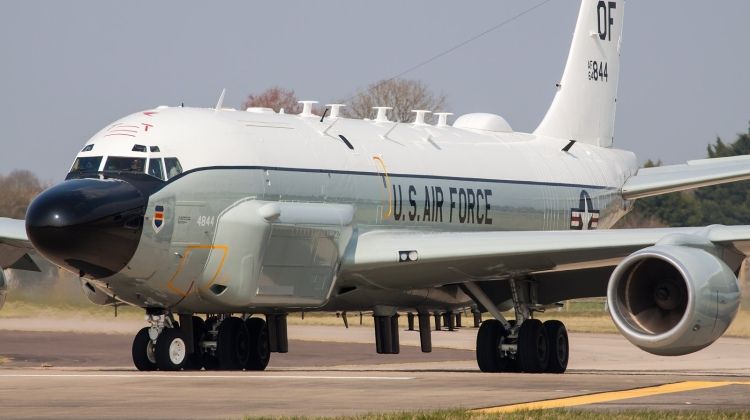
A number of Russian sources have reported that the sinking of a Russian cargo ship, the Ursa Major, off the coast of Spain in December 2024 has been widely assessed to be the result of a sabotage operation carried out by multiple NATO member states. The sources cited Western reports noting that the ship was carrying nuclear reactor components intended to support North Korea’s nuclear powered submarine program. A series of unexplained explosions on the ship resulted in it sinking in the Mediterranean, with a U.S. WC-135R reconnaissance aircraft subsequently flying over the area of the wreckage on multiple occasions. A Spanish investigation has more recently revealed that the wreckage was visited a week after the ship sunk.
Corroborating with reports of a sinking, the Ursa Major’s captain informed Spanish authorities the cargo included “components for two nuclear reactors similar to those used in submarines.” Russian and Western sources that have commented on the likely causes of the sinking have been near unanimous that it was likely the result of Western sabotage operations. Such operations would be far from unprecedented, with the U.S. and multiple European states having conducted forced takeovers of Russian, Iranian, Venezuelan and North Korean ships and seizures of their cargo. European operations against civilian shipping have been concentrated on targeting Russian vessels, while U.S. operations have stretched into the Western hemisphere, the Indian Ocean, and beyond.
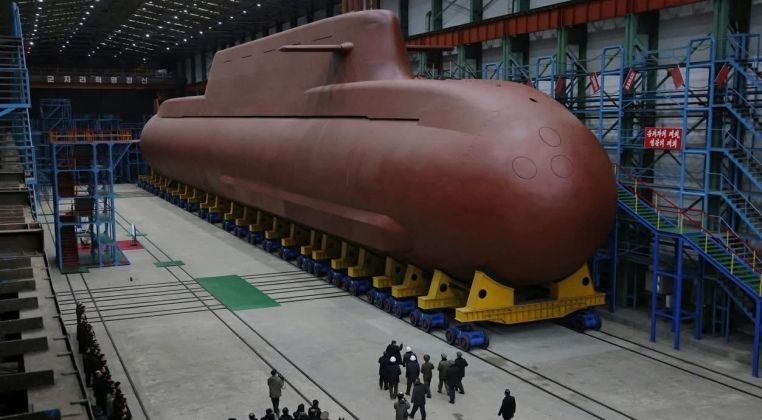
North Korean state media on December 24, 2025, published the first images of the country’s long anticipated first nuclear powered submarine, following reports from South Korean military sources in October 2024 that the country had begun construction of the ship. Western and Russian sources have indicated that the sinking of the Ursa Major very likely delayed the submarine program, and thus North Korean’s naval modernisation plans, while imposing significant costs on Russia to replace the components purchased. While the submarine program appears set to proceed, however, the most significant aspect of the operation is likely the precedent it set for escalated Western targeting of shipping in international waters. These operations are set to continue to escalate, with the Russian Navy having begun to deploy ships to escort convoys of civilian ships in the East China Sea to protect them against possible attacks by NATO member states’ forces.
North Korean has for decades fielded the world’s largest submarine fleet, although relying on short range diesel-electronic submarines designed primarily for area denial. The development of a nuclear powered submarine is considered a game changer for the Korean People’s Army Navy’s power projection capabilities, and could provide either a much more formidable second stage strategic deterrent, or an advanced tactical missile strike capability against U.S. and allied bases across East Asia and as far as the U.S. mainland. Nuclear powered submarines have significant greater endurances compared to conventionally powered ships, and can remain submerged for months at a time allowing them to launch strikes against targets anywhere in the world with little warning. The submarine program is part of a rapid broader transformation of the Korean People’s Army Navy, with the country’s shipyards from 2025 beginning launching destroyers at rates of two per year, providing a cutting edge ocean-going surface warfare capability.
