
Belgian Forces Board and Take Over Civilian Oil Tanker in International Waters: Western Assault on Russian Shipping Intensifies
Military Watch Magazine Editorial Staff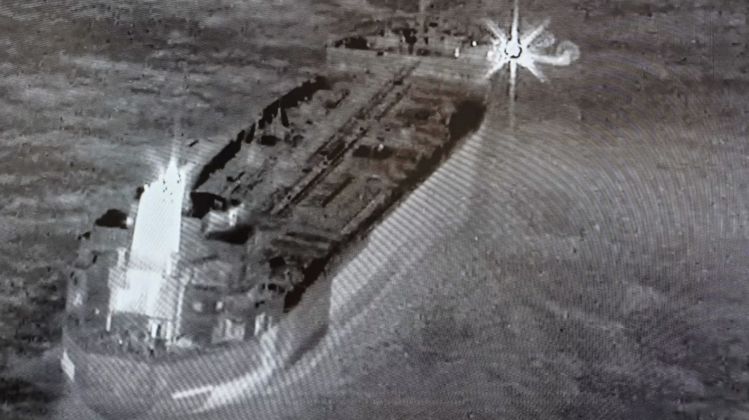
Belgian Forces Boarding Oil Tanker in International Waters
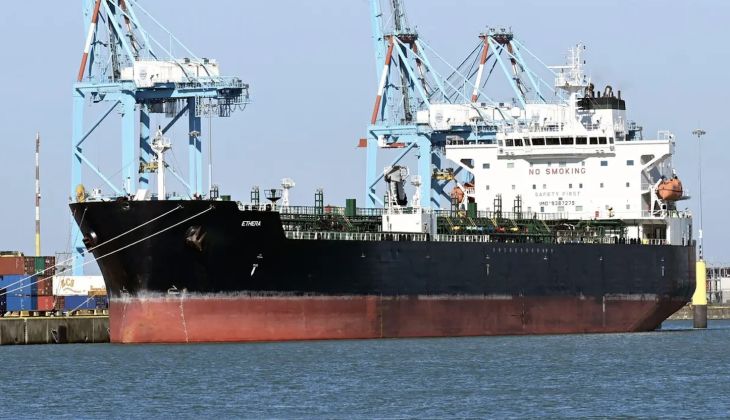
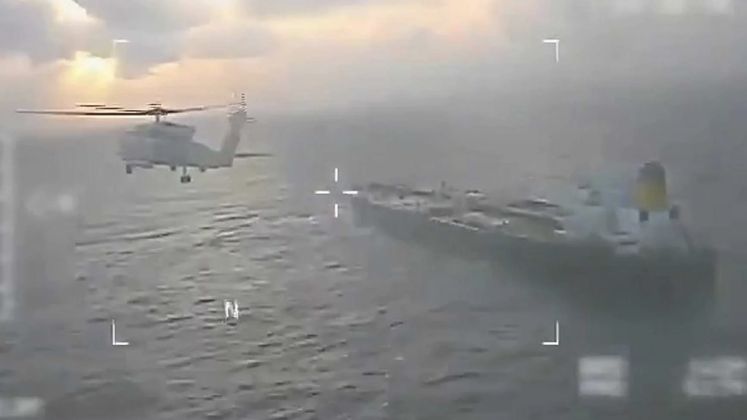
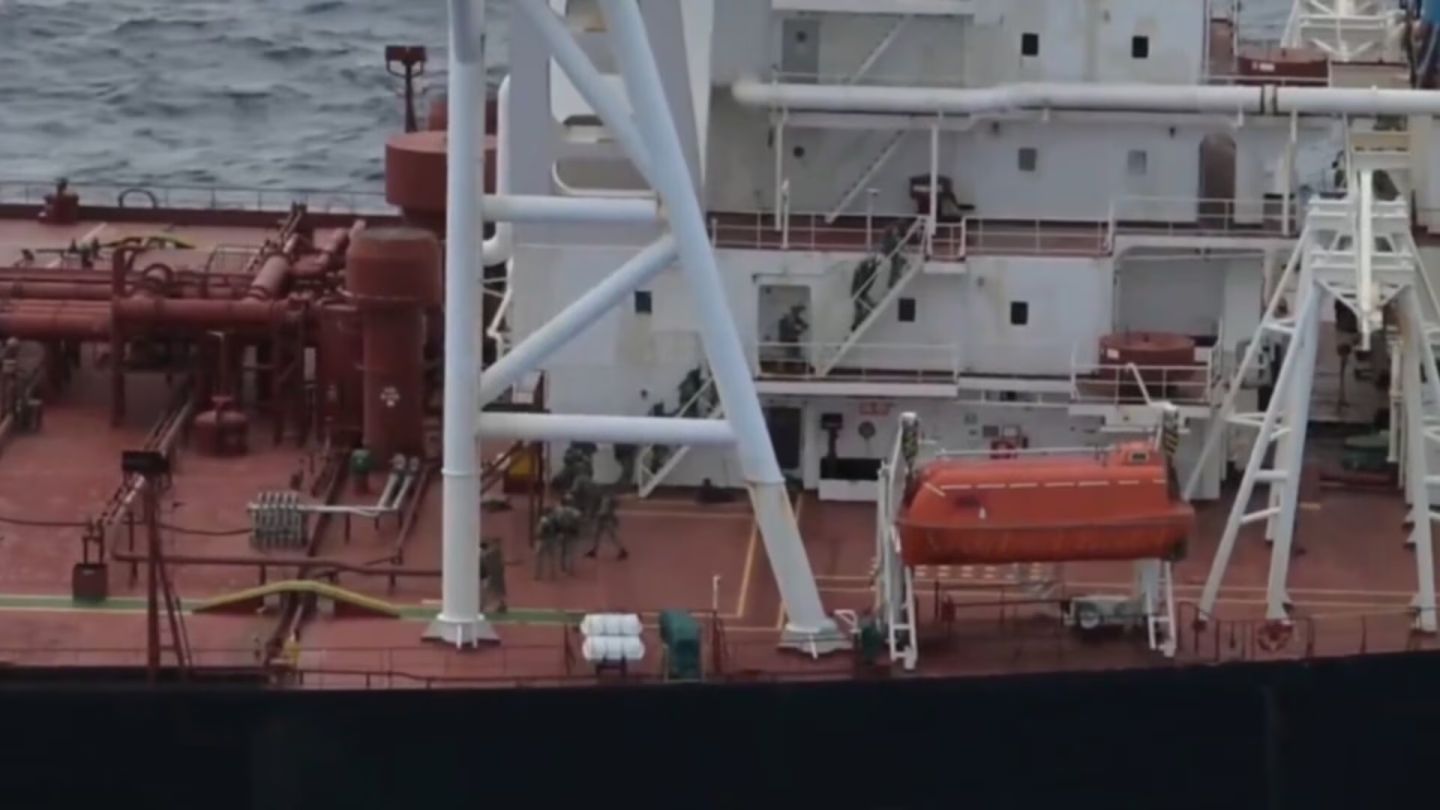
The Belgian Armed Forces have landed and conducted an armed takeover of an oil tanker, the Ethera, in international waters in the North Sea, during a coordinated operation supported by France, after the vessel was reported to have been exporting Russian oil. The tanker, which was sailing under the flag of Guinea, was forced to the port of Zeebrugge, and is expected to be sold and the funds appropriated by European states involved in the operation. The operation was confirmed on February 28 by Belgian Defence Minister Theo Francken, with Images subsequently published online showing that the commandeering of the ship involved Belgian personnel being rapidly vertically inserted from NH-90 naval helicopters. The operation against the ship represents part of a broader policy by European states and the United States to target Russia’s economy by taking military action against vessels that are exporting its oil, which has been widely assessed by legal analysts to be wholly outside the bounds of international law.
In early February influential aide to Kremlin and Chairman of the Russian Maritime Board Nikolai Patrushev stated that a permanent naval presence was essential to prevent European countries from obstructing Russian civilian shipping’s access to international waters, noting that the Russian Navy is ready to use force to protect commercial vessels from Western attacks. He added that Russia is considering establishing a greater permanent presence of naval assets to international shipping lanes to prevent NATO members from attempting to seize or otherwise disrupt its merchant shipping. With Russia’s surface naval capabilities having declined very significantly since the end of the Cold War, however, the viability of establishing such a presence remain in serious question. Patrushev at the time noted that Russia's updated naval shipbuilding program to 2050 would be submitted for approval soon, raising the possibility that it could place a greater emphasis on blue water capabilities.
Days prior to Patrushev’s statement, Russian Ambassador to Norway Nikolay Korchunov issued a warning that NATO members were planning to impose a maritime blockade of the country, which would be aimed at “restricting freedom of navigation,” noting that this “violates international law norms.” Operations would involve “putting the Baltic-Arctic region on a barrack-like footing” through expanded military operations and exercises, with NATO members also developing plans for “a partial or complete naval blockade.” His statement followed a report on February 13 that British Defence Secretary John Healey had met with his counterparts from Baltic and Nordic countries at the Munich Security Conference to discuss plans for illegal seizures of Russia-linked oil tankers in international waters.
The Untied States has in recent months conducted multiple forced takeovers of oil tankers in international, primarily those shipping Venezuelan oil for export, as part of a policy aimed at crippling the country’s economy. The U.S. Navy and Coast Guard on February 9 targeted the oil tanker Aquila II in international waters in the Indian Ocean, which was at least the eighth vessel targeted for forceful seizure by U.S. forces. Commenting on these operations against the civilian shipping, Russian Foreign Minister Sergey Lavrov recently warned that the U.S. leadership “want to take control of all the routes for providing the world’s leading countries and all continents with energy resources… A ‘war’ against tankers in the open sea is being waged.” Western operations against civilian shipping have been far from restricted to Russian oil shipments. In November 2025, for example, U.S. special forces boarded a cargo ship in the international waters in the Indian Ocean, securing, removing and destroying civilian goods that were being shipped from China to Iran.
