
Russian Warns Expanding U.S. Force Deployments Provide Chokehold Over Key Energy Routes: Offshore Blockade Increasingly Viable
Military Watch Magazine Editorial Staff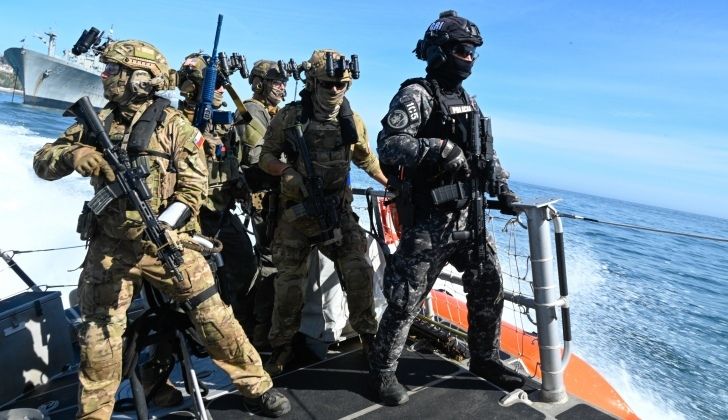
U.S. Coast Guard Maritime Security Response Team
The U.S. Armed Forces have continued to expand their presences across major energy supply routes, as part of a campaign which analysts have warned appears intended to position assets to impose an offshore blockade against Western Bloc adversaries, in particular China. Highlighting this emerging security challenge, Russian Foreign Minister Sergey Lavrov warned: “the U.S. objective – to dominate the world economy – is being realised using a fairly large number of coercive measures that are incompatible with fair competition. To achieve this objective, the U.S. leadership “want to take control of all the routes for providing the world’s leading countries and all continents with energy resources.” Observing operations in Europe in particular, he noted: “On the European continent, they are eyeing the Nord Streams, which were blown up three years ago, the Ukrainian gas transportation system, and the TurkStream.”
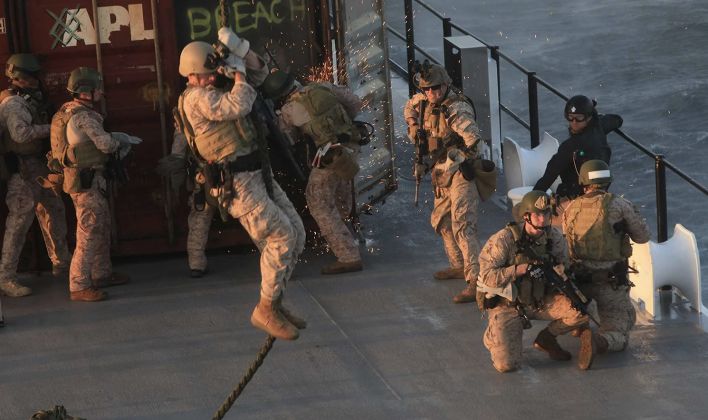
Complementing the expanding presence of U.S. forces across major trade routes, the U.S. has deployed forces to forcefully commandeer tankers and other civilian shipping in international waters, marking an unprecedented challenge to countries’ access to maritime commons. Observing this trend, the Russian Foreign Minister stated: “A ‘war’ against tankers in the open sea is being waged.” U.S. Navy and Coast Guard forces on January 7 boarded and took over the oil tanker Marinera in the Atlantic Ocean, after a pursuit that lasted over 14 days. U.S. forces had over the last month been responsible for boarding two prior ships transporting Venezuelan oil for export, including the commandeering of the tanker the Centuries owned by the China-based firm VSatau Tijana Oil Trading in late December, which had not been placed on any sanctions list. This closely coincided with the U.S. Marine Corps’ initiation of large scale training exercises for similar boarding operations targeting civilian vessels in international waters.
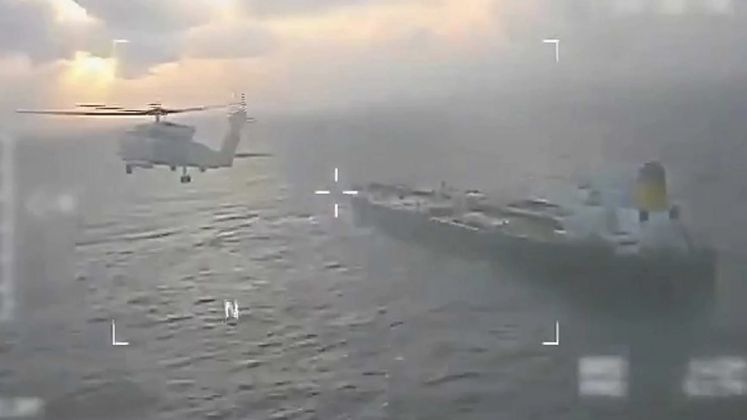
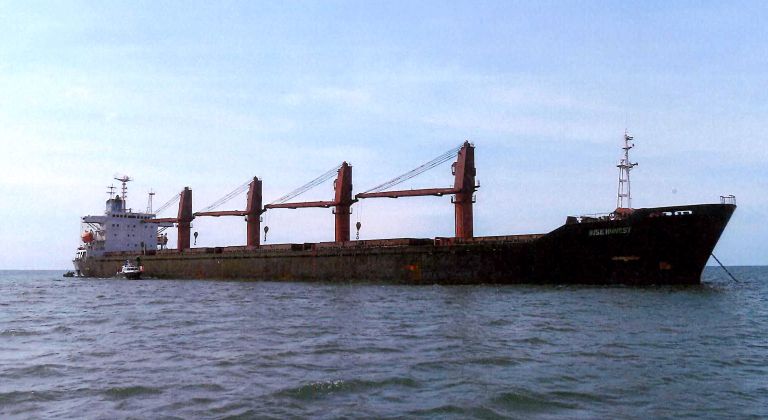
Other Western Bloc states have increasingly been involved in similar operations, with France on January 22 deploying forces to commandeer a Russian tanker in international waters between Spain and Morocco. The United States has on multiple prior occasions appropriated civilian cargo from adversary states as a means of placing pressure on their economies, including the targeting of Iranian oil tankers from the late 2010s, the oil from which was taken by the United States Navy and subsequently sold with no compensation paid to Iran. The Navy in 2019 seized the North Korean cargo ship Wise Honest, which was sold and the funds appropriated with no compensation paid to the North Korean state which owned the vessel. The U.S. Naval Institute in 2020 proposed hiring mercenary privateers to target Chinese civilian shipping in a similar way as an option to escalate pressure.
The growing threat to international shipping was further highlighted in November 2025, when U.S. special forces boarded a cargo ship in the international waters in the Indian Ocean, securing, removing and destroying civilian goods that were being shipped from China to Iran. Although cargo was confirmed by officials to have had both military and civilian uses, the widespread characterisation of dual use goods has meant that they cover a very wide range of civilian industrial products. This operation was widely considered by international legal exports to have been carried out entirely outside the bounds of international law, and set a precedent for the destruction of Chinese industrial exports by Western forces in international waters across much of the world. The ability to leverage Western Bloc forces’ control of maritime chokepoints across the world has been highlighted since the U.S. initiated the Pivot to Asia initiative in the early 2010s as a key facilitator of offshore blockade operations to use force to isolate China’s economy from trade and energy imports.
