
U.S. Forces Board and Take Over Venezuelan Civilian Tanker: Russian Naval Escort Fails to Protect
Military Watch Magazine Editorial Staff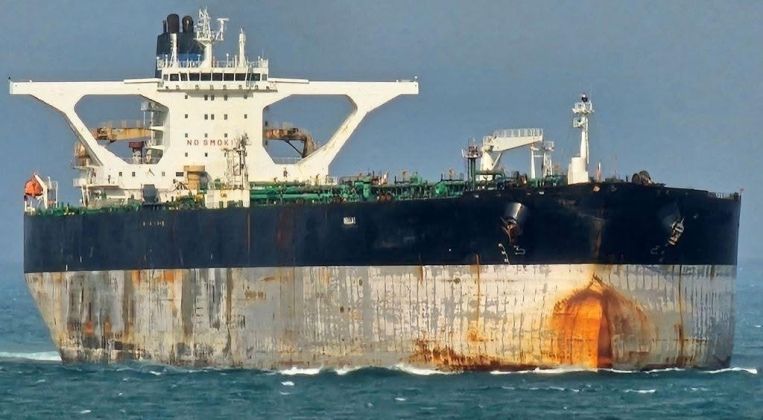
Oil Tanker Marinera
U.S. Navy and Coast Guard forces on January 7 boarded and took over the oil tanker Marinera in the Atlantic Ocean, after a pursuit that lasted over 14 days. The tanker was tracked northwest of Ireland before U.S. forces moved to commandeer it. It was targeted as part of broader efforts by the United States and wider Western Bloc to maximise pressure on Venezuela’s economy, with attacks on its civilian shipping, which have been widely criticised by legal experts as serious violations of international law, complementing the effects of Western economic sanctions. This campaign has been initiated in parallel to the imposition of considerable military pressure on Venezuela from September, and an attack on the country and the abduction of its president, Nicholas Maduro, on January 3.
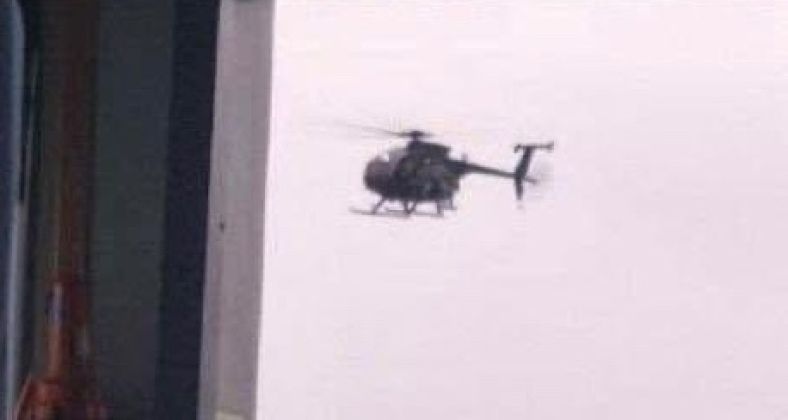
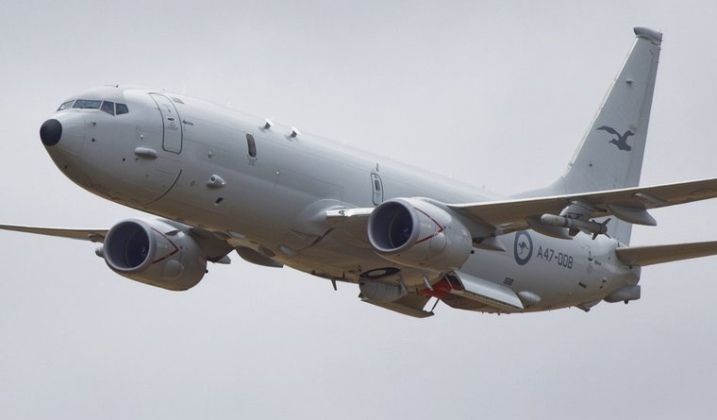
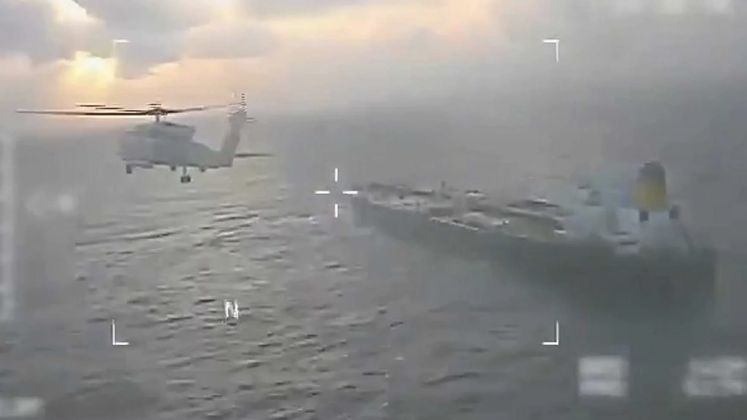
Preceding the takeover, the U.S. Coast Guard patrol vessel USCGC Munro tracked the Marinera, while MH-6M helicopters from the U.S. Army 160th Special Operations Aviation Regiment, the same unit responsible for transporting Delta Force operators to capture President Maduro, provided special operations support. U.S. Navy P-8A anti-submarine patrol aircraft provided air cover, monitoring Russian submarine activity nearby. The Coast Guard had previously on December 21 attempted to take over the tanker in the Caribbean Sea, although the ship’s crew succeeded in evading them by dramatically changing course and outrunning them.
A notable aspect of the operation targeting the Marinera was that Russian naval vessels and a submarine were operating near the tanker, but did not intervene, despite earlier reports from Russian media outlets that the ship would be protected. This has widely been interpreted by analysts as a signal of Moscow’s lack of resolve in confronting the Western Bloc in the far seas, despite the ongoing high intensity conflict in Ukraine in which Western personnel on the ground are playing a central role. Russia’s own tankers are expected to be increasingly targeted by Western Bloc states in international waters as part of efforts to deny the state critical revenues. As Western hopes for a Russian military defeat were increasingly disappointed in 2024 and 2025, with Ukraine’s extreme manpower and equipment shortages making holding the frontlines unsustainable, maximising pressure on Russia’s economy has emerged as a primary means for the Western Bloc to seek to suspend hostilities on more favourable terms.
U.S. forces have over the last month been responsible for boarding two prior ships transporting Venezuelan oil for export, including the commandeering of the tanker the Centuries owned by the China-based firm VSatau Tijana Oil Trading in late December. The U.S. Marine Corps at around the same time initiated large scale training exercises for similar boarding operations targeting civilian vessels in international waters. It was revealed that month that in November U.S. special forces boarded a cargo ship in the international waters in the Indian Ocean, securing, removing and destroying Chinese civilian goods that were being shipped to Iran. These actions highlighted the growing threats to international shipping posed by Western control of international maritime commons, and the United States and its European allies’ growing willingness to ignore international law when seeking to disrupt their adversaries’ civilian trade.
