
U.S. Forces Cut Off Chinese Oil Supply With Armed Takeover of Large Tanker Near Barbados
Military Watch Magazine Editorial Staff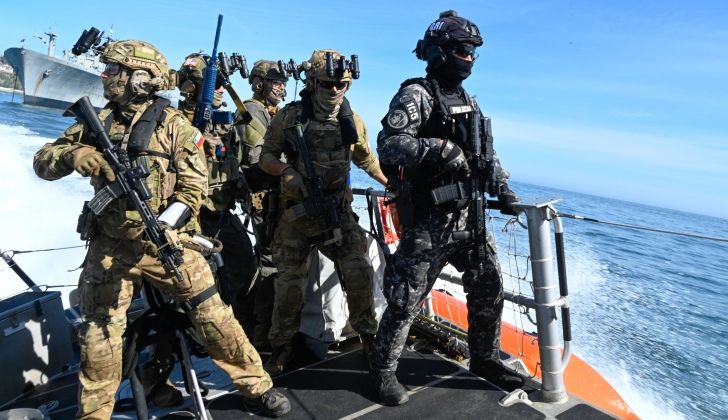
U.S. Coast Guard Maritime Security Response Team
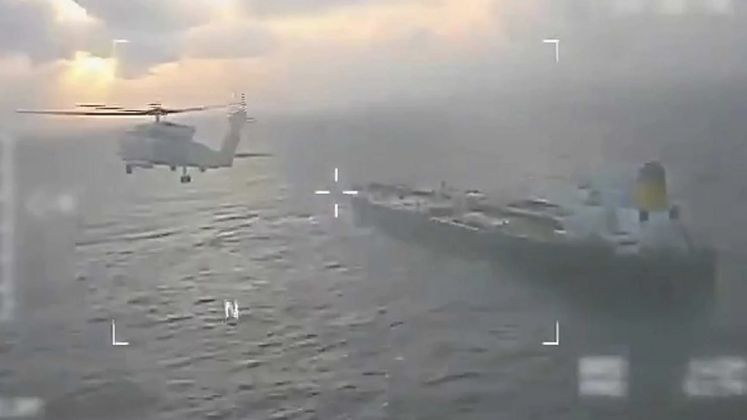
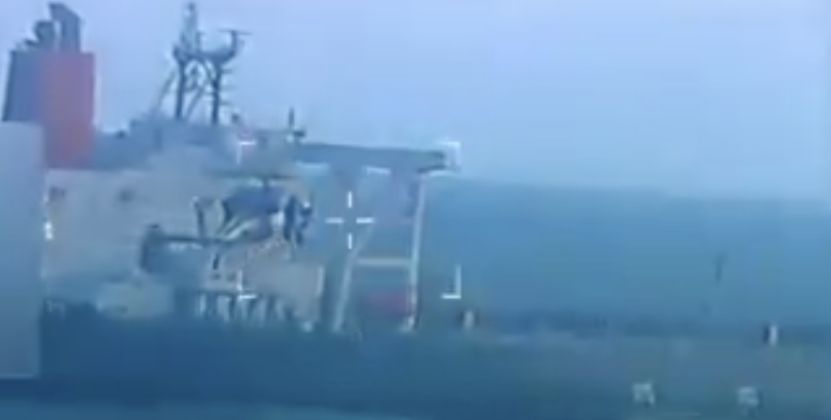
The United States Armed Forces conducted an armed takeover of a large tanker in international waters, the Centuries, which was carrying up to two million barrels of Venezuelan crude oil to China. Coast Guard and Navy forces operating with MH-60T helicopters, and reportedly including a Maritime Security Response Team, spearheaded the takeover. The oil was owned by the China-based firm VSatau Tijana Oil Trading. The Centuries is the third civilian ship that American forces have launched operations against in international waters this month, in what legal experts have widely regarded as gross violations of international law. The Chinese Ministry of Foreign Affairs condemned the operation as a serious violation of international maritime law and an illegal interference in legitimate global trade. The Venezuelan government also denounced the seizure, again accusing the United States of conducting piracy at sea.
China has perceived a considerable threat from the United States and other Western Bloc countries using their large presences in maritime commons to halt civilian trade, potentially cutting China off not only from vital energy imports, and from maritime trade more broadly. From the early 2010s, as the Barack Obama administration launched the Pivot to Asia initiative aimed at building up U.S. and Western forces surrounding China in East Asia, American experts have increasingly pointed to the possibility of launching ‘distant blockade’ operations aimed at cutting off Chinese trade, which could provide the Western Bloc with leverage against Beijing without the need to engage the Chinese People’s Liberation Army directly. This included proposals published by the U.S. Naval Institute for hiring mercenary privateers to target Chinese civilian shipping should relations further worsen.
Although China has rapidly built up its air and maritime power projection capabilities, the vast array of bases that U.S. and Western forces operate from across the world allows them to target civilian shipping globally, with China’s ability to protect all its shipping routes remaining limited particularly beyond East Asia. The armed takeovers of three Venezuelan tankers is far from isolated, with U.S. special forces having in November boarded a cargo ship in the international waters in the Indian Ocean, securing, removing and destroying Chinese civilian goods that were being shipped to Iran. Although cargo was confirmed by officials to have had both military and civilian uses, the widespread characterisation of dual use goods has meant that they cover a very wide range of civilian industrial products. This operation set a precedent for the destruction of Chinese industrial exports by Western forces in international waters across much of the world.
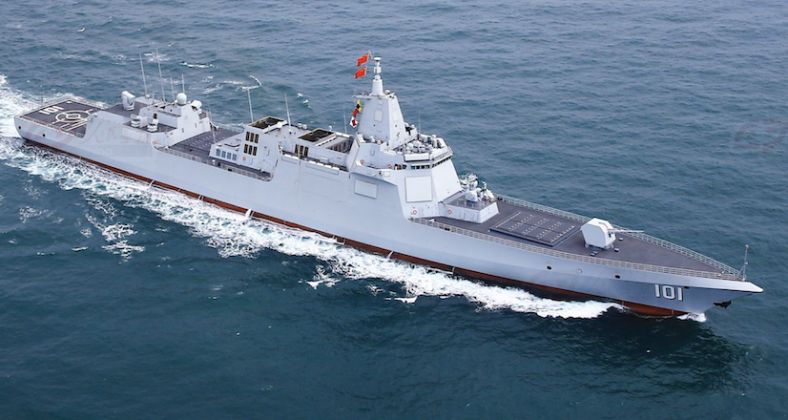
The latest operation against the Centuries has been seen by analysts to reflect a sharp escalation in U.S. targeting of civilian shipping, as while prior oil tankers were targeted by Washington’s unilateral economic sanctions, providing prior indications that they may come under attack, the Centuries had not been sanctioned, and was only considered complicit circumventing sanctions. Seeking to reduce vulnerability to Western attacks on its civilian shipping, China has invested heavily in renewable and nuclear power over the past 15 years, as well as in overland oil pipelines from Russia and Central Asia, reducing its reliance on energy imports. Chinese merchant fleet has also sought to utilise the Northern Sea Route which passes through the Russian Arctic with support from Russia’s nuclear icebreaker fleet, with the first export through the route having been carried out in October 2025. A number of analysts have speculated that Beijing may respond to the latest targeting of its oil shipments by deploying warships to South America to escort Venezuelan tankers, although there have been no indicates that such steps are being taken.
