
Russian Maritime Board Chief Stresses Need For Expanded Naval Ops. to Guard Civilian Shipping From Western Attacks
Military Watch Magazine Editorial Staff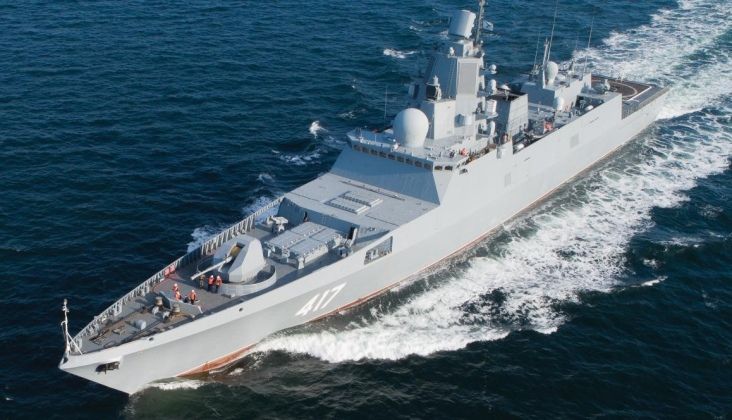
Russian Navy Frigate Admiral Gorshkov
Influential aide to Kremlin and Chairman of the Russian Maritime Board Nikolai Patrushev has stated that a permanent naval presence is essential to prevent European countries from obstructing Russian civilian shipping’s access to international waters, stressing that the Navy is ready to use force to protect commercial vessels from Western attacks. He added that Russia is considering establishing a greater permanent presence of naval assets to international shipping lanes to prevent NATO members from attempting to seize or otherwise disrupt its merchant shipping. "If we don't give them a tough rebuff, then soon the British, French and even the Balts [Baltic states] will become arrogant to such an extent that they will try to block our country's access to the seas at least in the Atlantic basin,” he stated. "In the main maritime areas, including regions far from Russia, substantial forces must be permanently deployed - forces capable of cooling the ardour of Western pirates," he added.
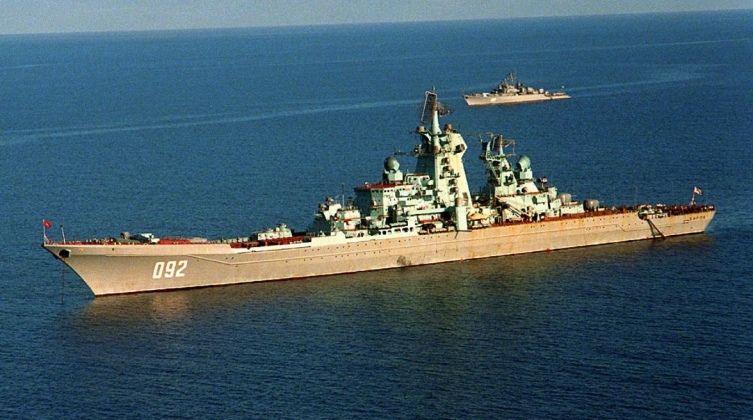
Highlighting the need to respond to what he referred to as the United States’ clear "gunboat diplomacy" targeting civilian shipping, noting precedents of such operations targeting Venezuela and Iran, Patrushev noted that Russia's updated naval shipbuilding programme to 2050 would be submitted for approval soon. Warning of a further threat from NATO maritime activities, he also warned that alliance members were planning options to blockade the Russian exclave of Kaliningrad on the Baltic Sea. "Any attempt at a naval blockade of our country is completely illegal from the standpoint of international law, and the concept of a 'shadow fleet', which EU representatives brandish at every turn, is a legal fiction,” he observed "By implementing their naval blockade plans, the Europeans are deliberately pursuing a scenario of military escalation, testing the limits of our patience and provoking active retaliatory measures… If a peaceful resolution to this situation fails, the blockade will be broken and eliminated by the Navy,” he added.

Patrushev’s statement closely follows a warning from Russian Ambassador to Norway Nikolay Korchunov that NATO members are planning to impose a maritime blockade of the country, with Western plans aimed at “restricting freedom of navigation and violates international law norms.” Operations would involve “putting the Baltic-Arctic region on a barrack-like footing” through expanded military operations and exercises, with NATO members also developing plans for “a partial or complete naval blockade.” The ambassador warned that Western plans to use force to restrict Russian access to international waters represented a direct threat to the country’s national security, and would force Moscow to take countermeasures.
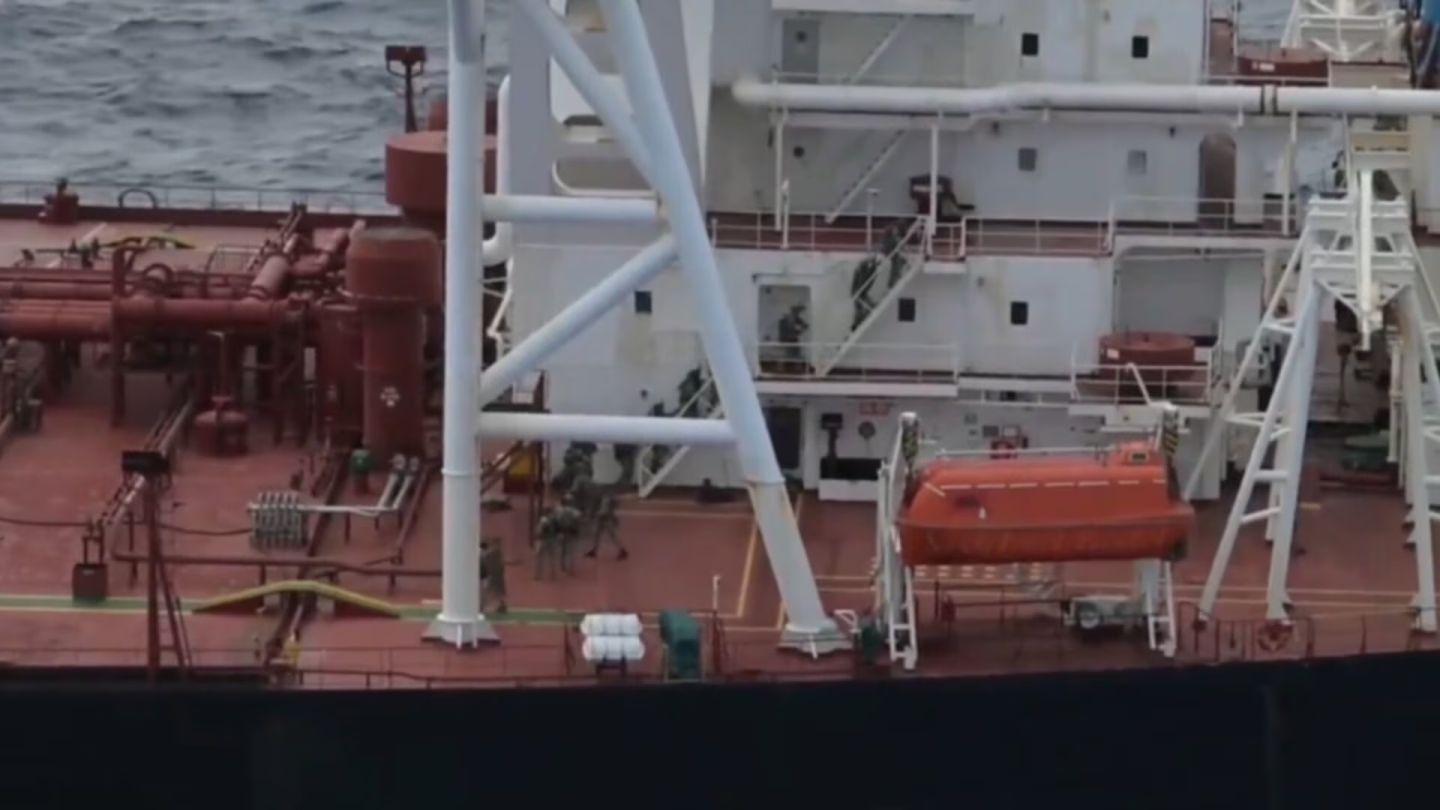
Significant questions remain regarding the viability of deploying the Russian Navy to guard maritime trade routes, as while the Soviet Union had by the 1980s built up one of the world’s two premier blue water fleets, and one with a fast improving international standing, post-Soviet Russia has not laid down a single destroyer or cruiser for its fleet since the superpower’s disintegration in 1991. Although the Navy fields highly capable frigates and corvettes, these remain limited in their ranges, and when operating further from Russian territory are constrained by the small sizes of their sensor suites. The Russian Navy has been built primarily for coastal defence roles relying heavily on corvettes and coastal defence systems that deploy some of the world’s most capable cruise missile types. Major Western navies’ presences across major trade routes allow them to target Russian shipping far from the country’s territory, whether in the Mediterranean or the Indian Ocean, where establishing a continuous presence will likely be far from viable for the Russian Navy at least until the mid-2030s.
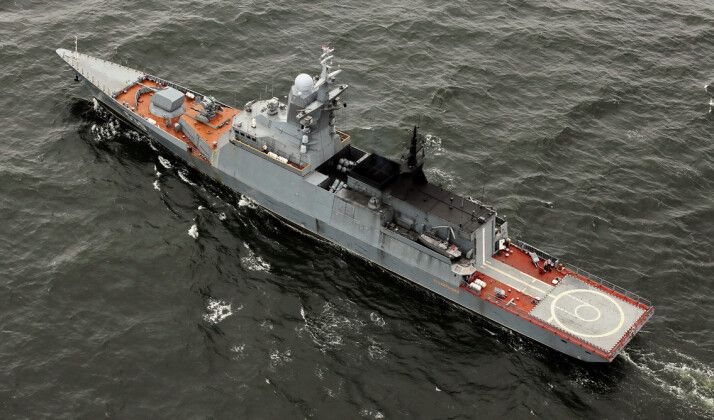
Reports on February 13 indicated that British Defence Secretary John Healey had met with his counterparts from Baltic and Nordic countries at the Munich Security Conference to discuss plans for illegal seizures of tankers that were transporting Russian oil for export in international waters. Such takeovers of oil tankers in international waters would be far from unprecedented, with the U.S. Armed Forces having initiated an unprecedented series of operations from late 2025 to commandeer at least nine ships that have been transporting Venezuelan oil for export, as part of efforts to cripple the country’s economy. French forces, meanwhile, in January boarded the oil tanker Grinch in international waters, forcing its owner to pay a fine of several million euros and endure what French authorities referred to as “a costly three-week immobilisation,” with the ship released only on February 17.
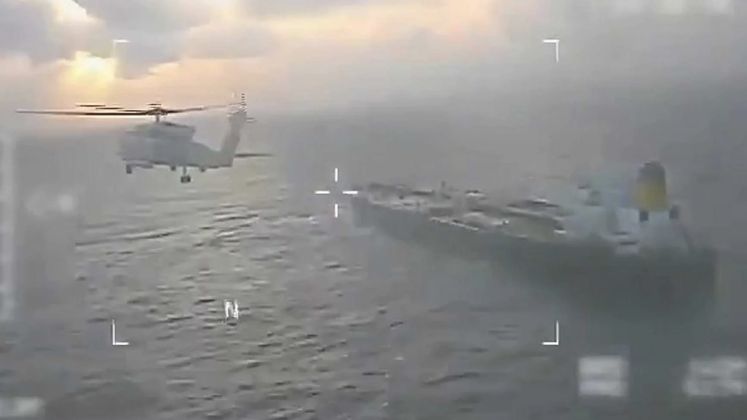
Commenting on ongoing Western operations targeting civilian shipping, Russian Foreign Minister Sergey Lavrov recently warned: “the U.S. objective – to dominate the world economy – is being realised using a fairly large number of coercive measures that are incompatible with fair competition.” To achieve this objective, he noted, the U.S. leadership “want to take control of all the routes for providing the world’s leading countries and all continents with energy resources.” “A ‘war’ against tankers in the open sea is being waged,” he added. There have been indications that NATO member states’ targeting of civilian shipping could go beyond oil shipments, and include the targeting of a wide range of civilian exports. In November 2025, for example, U.S. special forces boarded a cargo ship in the international waters in the Indian Ocean, securing, removing and destroying civilian goods that were being shipped from China to Iran, setting a significant precedent. The possibility of Western Bloc states using their naval presences for such purposes has been highlighted since the Pivot to Asia initiative in the early 2010s, with the U.S. Naval Institute in 2020 having proposed hiring mercenary privateers to target Chinese civilian shipping in a similar way as an option to escalate pressure.
