
U.S. Creates New Coast Guard Special Forces Command as Requirement Grows For Armed Takeovers of Enemy Shipping
Military Watch Magazine Editorial Staff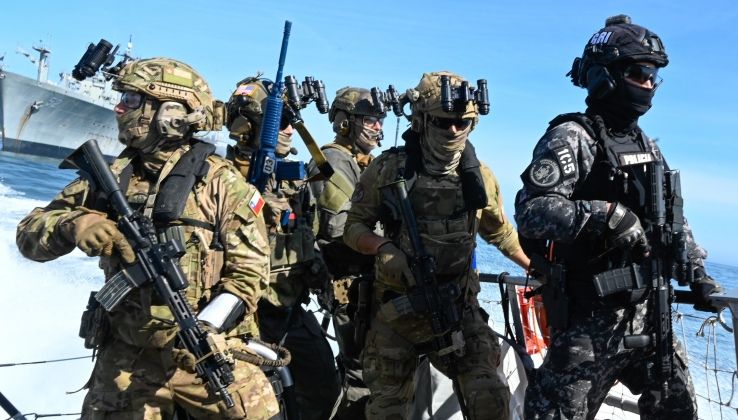
U.S. Coast Guard Maritime Security Response Team
The U.S. Coast Guard has created a new Special Missions Command to oversee its “deployable specialised forces,” as the service’s units have played a central role in escalating efforts to target civilian shipping in international waters from late 2025. Coast Guard personnel can under U.S. law board vessels, carry out seizures, and make arrests, although they have little to legal basis to do so in international waters, which has made their operations highly controversial internationally. The Coast Guard’s special forces units specifically are uniquely trained and equipped for boarding operations, and have recently targeted Venezuelan civilian shipping, Russian-linked tankers in the Atlantic Ocean, and even Iranian civilian tankers carrying oil for export in the Indian Ocean. Thus although the service’s name implies a defensive focus patrolling near U.S. waters, the Coast Guard is increasingly playing a central role in global offensive operations.
Commenting on the creation of the new command, Commandant of the Coast Guard Admiral Kevin Lunday observed: “The creation of the Special Missions Command is a vital evolution for our service. We are forging our most elite operators into a single, razor-sharp instrument of national power. The Special Missions Command is not an administrative change; it is an investment ensuring these elite teams are the best trained, equipped, and organised force possible, ready to protect the Homeland and support the Joint Force.” Speaking to local media, a Coast Guard spokesman noted that the proposed Department of Defence budget for Fiscal Year 2027 had included funding for a personnel increase“to manage the complexity of modern specialised missions.” These investments are assessed to be being made entirely with the context of requirement for an increased capability to target shipping in international waters.
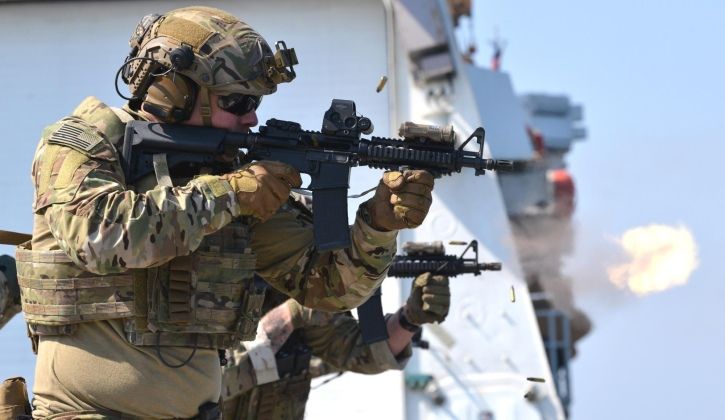
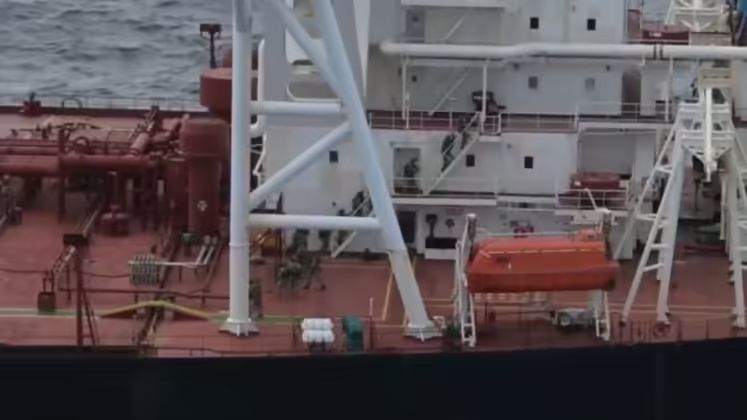
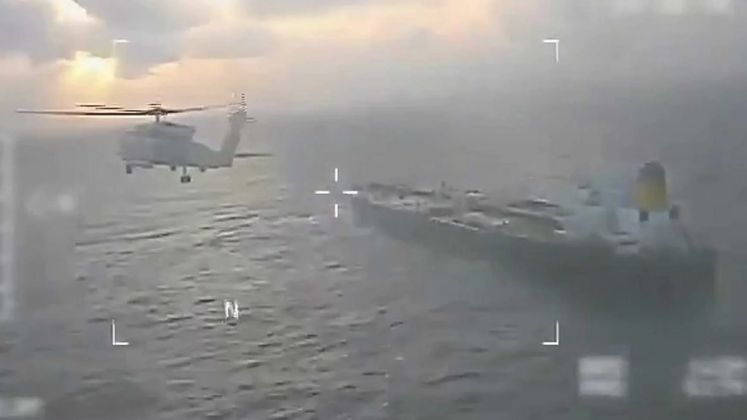
U.S. Navy and Coast Guard forces on January 7 boarded and took over the oil tanker Marinera in the Atlantic Ocean, after a pursuit that lasted over 14 days, as part of a campaign to prevent Venezuelan energy exports to maximise economic warfare efforts against the country. Attacks on other ships carrying Venezuelan oil continued over the following weeks. U.S. forces had over the last month been responsible for boarding two prior ships transporting Venezuelan oil for export, including the commandeering of the tanker the Centuries owned by the China-based firm VSatau Tijana Oil Trading in late December. These operations closely coincided with the U.S. Marine Corps’ initiation of large scale training exercises for similar boarding operations targeting civilian vessels in international waters. Other Western Bloc states have increasingly been involved in similar operations, with France on January 22 deploying forces to commandeer a Russian tanker in international waters between Spain and Morocco.
