
Pakistan Deploys Advanced Chinese Fighters and Air Defences to Help Counter Iranian Strikes on Saudi Arabia
Military Watch Magazine Editorial Staff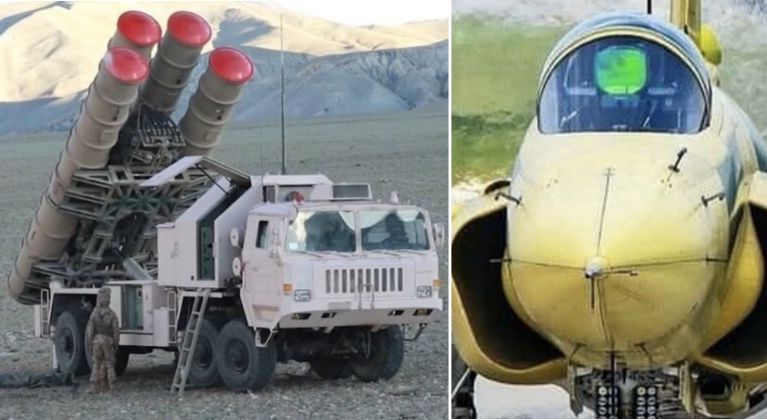
Launcher From HQ-9 System (left) and JF-17 Fighter
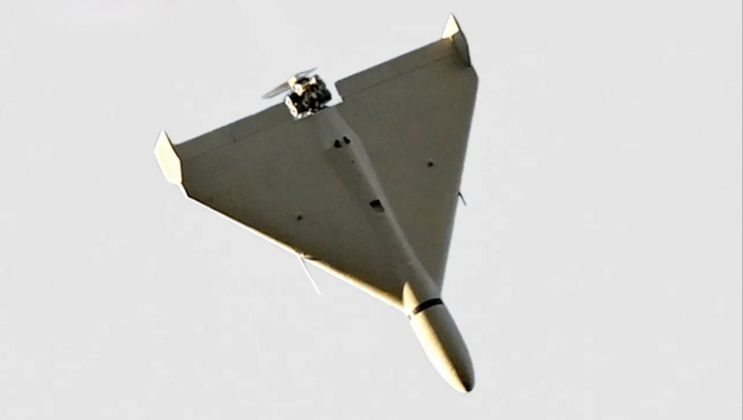
The Pakistani Armed Forces have deployed 8,000 personnel and significant quantities of aerial warfare assets to Saudi Arabia to support its participation in the U.S.-led war effort against Iran, which has been ongoing since the U.S. and Israel launched attacks on the country on February 28. Reflecting Pakistan’s uniquely high reliance on Chinese military equipment, assets deployed have included JF-17 fighters, an HQ-9B long range air defence system, and two squadrons of unmanned aircraft which some reports have indicated may also be of Chinese origin. HQ-9B systems could be of particular value due to the proven shortcomings of U.S. air defence systems against Iranian missile attacks, as well as both the rapid depletion of stockpiles of Western surface-to-air missiles, and the destruction of vital radar systems that are critical to their functioning.
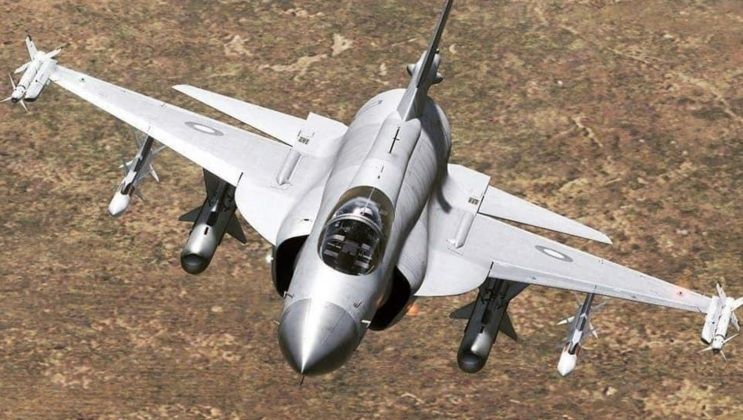
The deployment of Pakistan Air Force fighters and air defence systems could provide significant support not only to Saudi forces, but also to the United States and other strategic partners such as Israel and the Untied Arab Emirates. The sharing of radar data from the HQ-9B and JF-17 fighters, for example, would be usable not only by Saudi forces, but also by Riyadh’s regional strategic partners including the U.S., Israel and other Gulf states. Pakistan is widely assessed to have the most capable forces of any Muslim-majority country, significantly outperforming the capabilities of those of any Middle Eastern state, which makes the presence of its forces a potential game changer for the regional balance of power. The overthrow of the administration of Prime Minister Imran Khan in 2022 has resulted in a major strategic shift towards greater alignment with the Western Bloc over multiple major policy issues, which may be reflected in its support for the U.S.-led war effort against Iran.
