
North Korea Rejects ‘Dialogue Accompanied by Military Threats’ - Calls for Deescalation
Military Watch Magazine Editorial Staff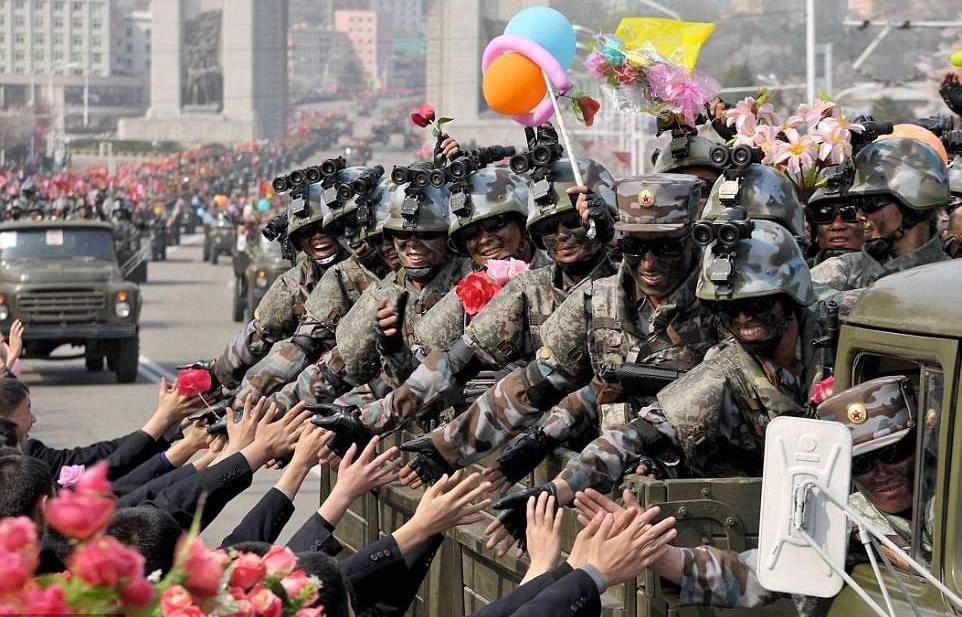
North Korean Special Forces Members Greet Crowds
Amid stalling negotiations with the United States and ongoing testing of short ranged tactical ballistic missiles by the Korean People's Army, North Korea’s Foreign Ministry has slammed ongoing threats against the country from the United States, declaring that “dialogue accompanied by military threats is of no interest to us.” Quoted by the Korean Central News Agency (KCNA), the ministry further declared that “escalating hostile military moves by the United States and the south Korean authorities are reducing the dynamics of dialogue. This compels us to weigh a realistic way of turning our attention more to strengthening the physical deterrence.” The ministry reiterated, however, that Pyongyang remains “unchanged in our position to resolve all issues in a peaceful manner through dialogue and negotiation.”
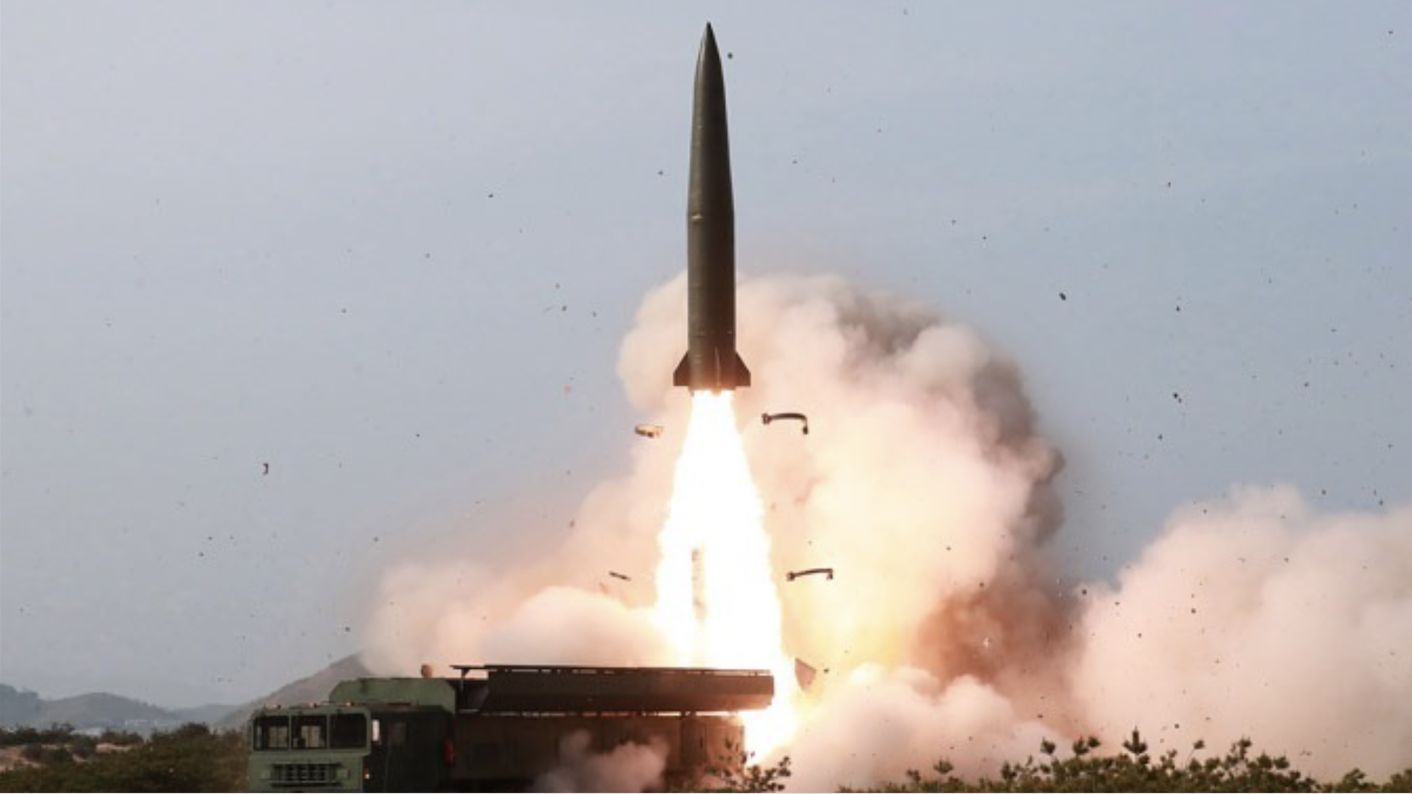
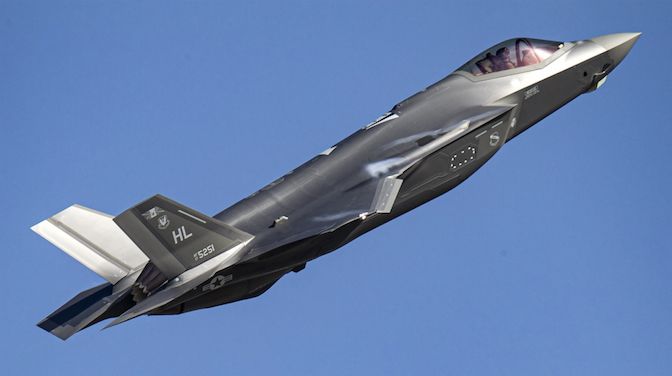
Pyongyang has perceived a considerable threat from the deployment of both new F-35 radar evading fighters to the Korean Peninsula by South Korea as well as the U.S. withdrawal from the intermediate range nuclear forces treaty and subsequent announcement of plans to deploy intermediate range missiles to the Asia-Pacific. The former was referred to as the “act of continuously introducing the cutting-edge lethal equipment is a grave provocation that has openly denied the joint declarations and the military agreement between the north and the south of Korea,” which “only serves to graphically reveal again the hypocrisy and double-dealing conduct of the south Korean authorities who are noisily talking about making ‘efforts to do things more useful yet less harmful to dialogue.’” The statement further slammed the U.S. for “adding to the regional arms race and confrontation.” North Korea has responded to these deployments with tests of advanced new weapons systems, including advanced tactical ballistic missiles and long ranged rocket artillery systems capable of neutralising U.S. and South Korean airbases across much of the country - capitalising on the F-35A’s weaknesses of high maintenance requirements, a low sortie rate and the need for fully pristine runways to operate.
Pyongyang previously gave Washington until January 2020 to resume talks in good faith, and a resumption of testing of strategic systems such as ICBMs is likely to take place should the United States fail to do so. With the country’s nuclear deterrent and intercontinental range delivery capability fully developed, as confirmed by U.S. intelligence reports, and with fast improving military and economic ties to neighbouring China, the small East Asian state’s position has strengthened considerably.
