
North Korea Unveils Another New Class of Tactical Ballistic Missile
Military Watch Magazine Editorial Staff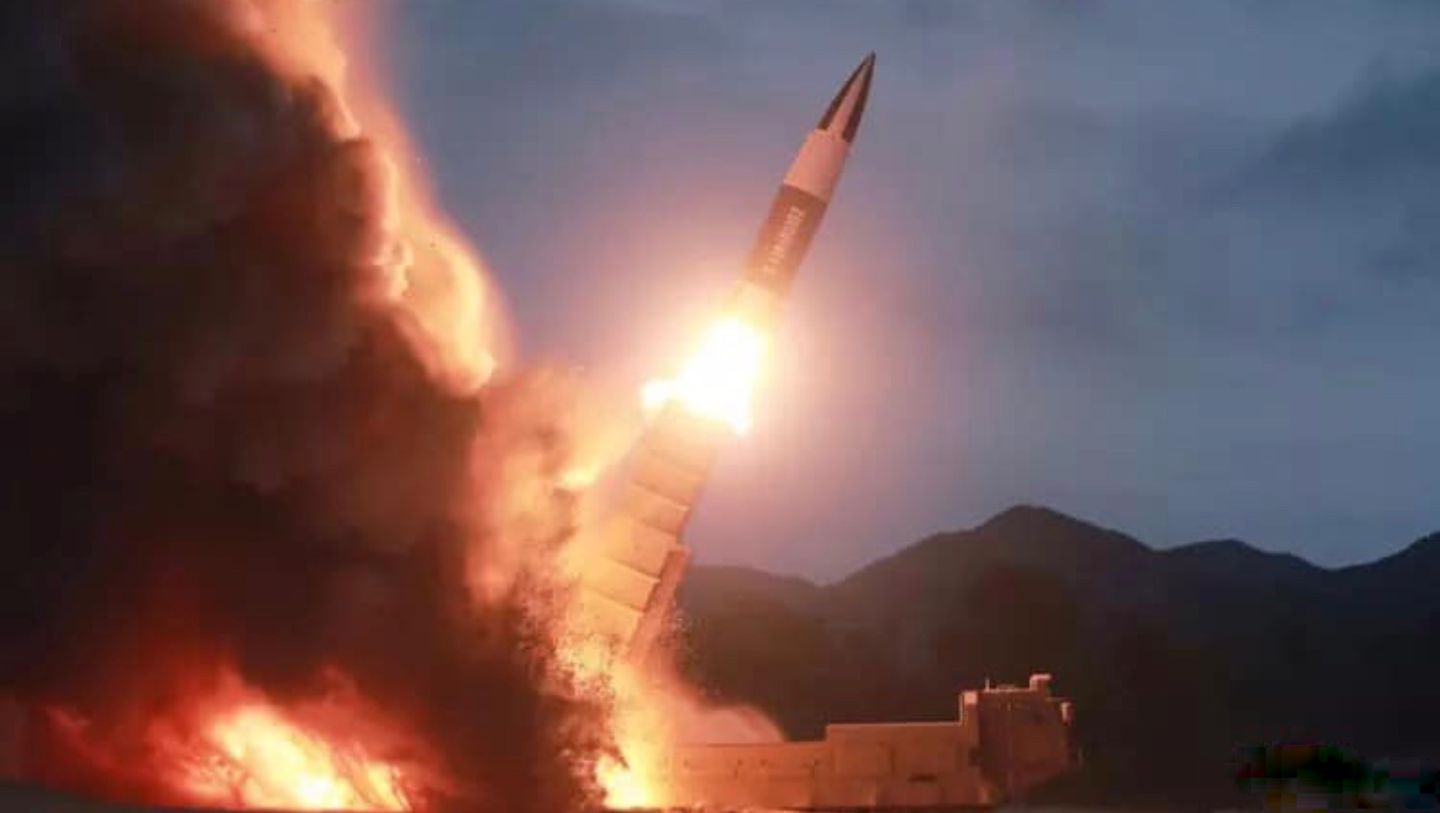
North Korean Test of New Solid Fuelled Ballistic Missile
The (North) Korean People’s Army has unveiled a new type of solid fuelled ballistic missile, a platform yet to be publicly named with an unknown range and performance specifications. This is the third solid fuelled short ranged ballistic missile developed by the country after the KN-02 Toksa in the 1990s - which resembles the Soviet Scarab-C in appearance, role and performance, and the KN-23 in 2018 - which bears a similar resemblance to the Russian 9K720 Iskander. North Korea appears to have focused on improving the capabilities of tactical weapons systems following the development of a viable nuclear deterrent including two ICBMs and a miniaturised thermonuclear warhead, in 2017. The shorter ranged precision guided missiles will complement the longer ranged platforms in safeguarding the country’s security against potential threats.
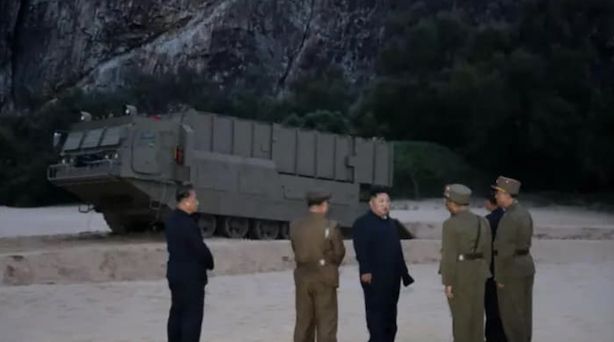
The unveiling and first test launch of the new missile system comes very shortly after the first test launch of the KN-23, and the unveiling and first launch of a new long range guided rocket artillery system, and the unveiling of a new class of ballistic missile submarine. Like the KN-23, the new Korean missile deploys from a transporter erector launcher which allows it to quickly redeploy and remain mobile to ensure survivability. Unlike most Korean missile types however, the launch platform for this missile system appears to make use of a tracked launcher designed for off-road operations - indicating it could be intended to accompany army units in the field. Also unlike previous platforms, it appears that a single launch vehicle is capable of deploying two separate missiles. The missile system notably resembles the American MGM-140 ATACMS, the only Western tactical ballistic missile system currently in service, leading to some speculation that North Korea’s armed forces may have somehow gained access to the American design and incorporated some of its technologies into their own system. Much like the KN-23, there remains a considerable chance that the new Korean missile system will be exported to third parties such as Syria which have long sought out Korean missile systems to strengthen their capabilities.
