
China and North Korea Pledge to Boost Military Ties For 'Peace and Stability' in Northeast Asia
Military Watch Magazine Editorial Staff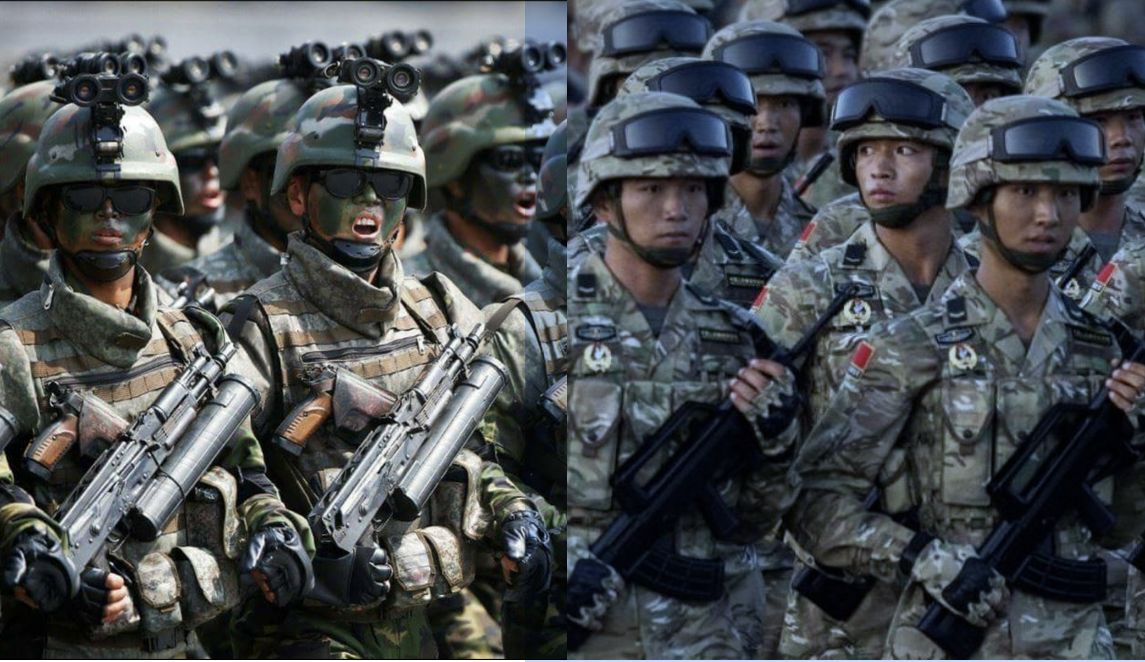
North Korean Special Forces (left) and Chinese Soldiers on Parade
General Zhang Youxia, vice chairman of China’s Central Military Commission, has pledged that the Chinese People’s Liberation Army (PLA) will move to boost defence ties with the Korean People’s Army (KPA) in neighbouring North Korea. The announcement came shortly after a high level meeting between PLA and KPA delegations in Beijing, the latter headed by director of the General Political Bureau of the Korean People’s Army Kim Su Gil. General Zhang stated regarding plans or closer ties: “The Chinese People’s Liberation Army is ready to work along North Korea to implement the important consensus, which was achieved by the leaders of our nations,” and that both countries were “ready to contribute to peace and stability in the region together.”
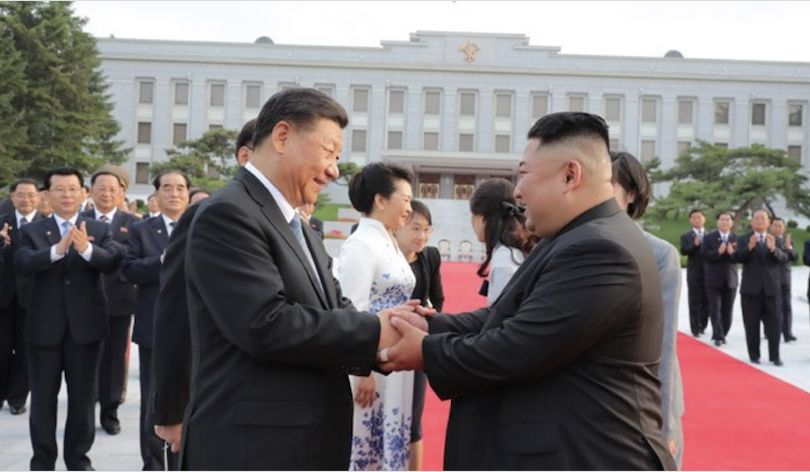
A closing of ranks between China and North Korea comes amid growing perceived threats from the Western Bloc and particularly the United States, with both economies targeted by the United States - the former through trade war and limited sanctions and the latter through comprehensive sanctions and pressure on third party trading partners. Both states also perceive a threat from a significant U.S. military presences on their borders. The announcement of strengthened military ties comes shortly after a visit by Chinese Premier Xi Jinping to Pyongyang in June 2019, in which stipulations for closer economic ties and cooperation in foreign policy matters were reportedly made. Beijing has repeatedly urged for the relaxation of Western drafted UN Security Council resolutions placing harsh sanctions on North Korea, and has reportedly relaxed its enforcement of such sanctions in order to assist Korean economic development.
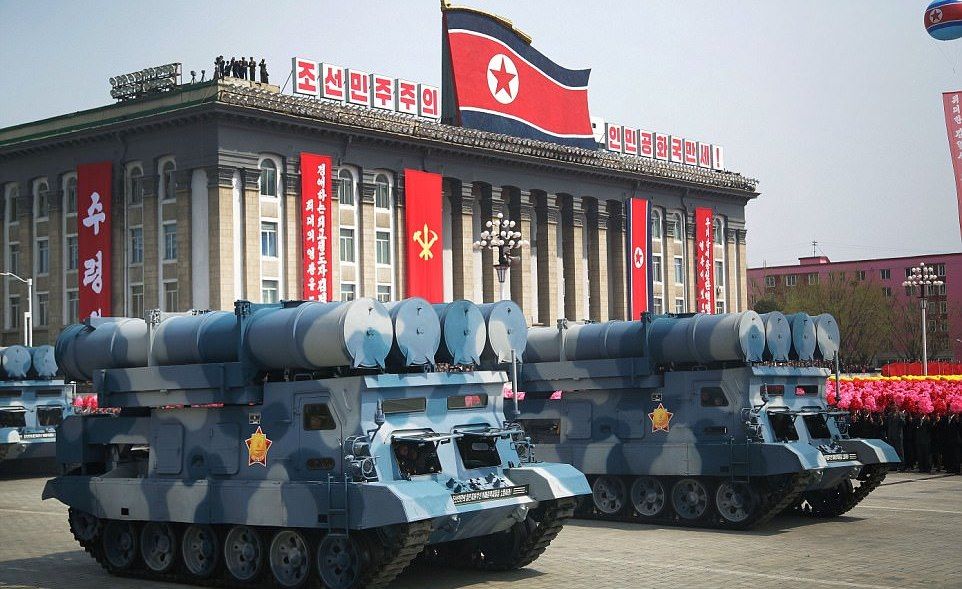
The KPA and PLA have a long history of cooperation, with the founding officers of both bodies having fought together in Manchuria against the Japanese Empire in the 1930s and early 1940s. Both fought side by side in the Korean War against a sizeable Western-led coalition force, the only major land war between the two powers and the Western Bloc which ended in stalemate and armistice in July 1950. The potential avenues for defence cooperation between the two states are many. It is possible that the KPA and PLA each could incorporate assistance from the other into their defensive plans in case of a regional war, and the two could increase military exchanges to strengthen their ability to cooperate. While the North Korean population and economy are dwarfed by that of China, KPA assistance could prove invaluable to a Chinese war effort in East Asia. With the world’s largest special forces, largest submarine fleet, largest and longest ranged rocket artillery forces, and the world’s largest military when including reservists among other prominent assets, the KPA has tailored its capabilities almost exclusively with the intention of fighting the United States or a U.S.-led coalition. Closer defence ties and a possible bolstering of Korean capabilities through Chinese technology transfers could shift the balance of power in northeast Asia further against the Western Bloc. Some analysts have also speculated that the threat to bolster North Korea militarily, seriously undermining American and Western interests, could provide China with considerable leverage in its ongoing dispute with the United States.
