
North Korea Inaugurates Iskander-Like Ballistic Missile with Prolific Test; A New Generation of Pyongyang’s Tactical Weapons
Military Watch Magazine Editorial Staff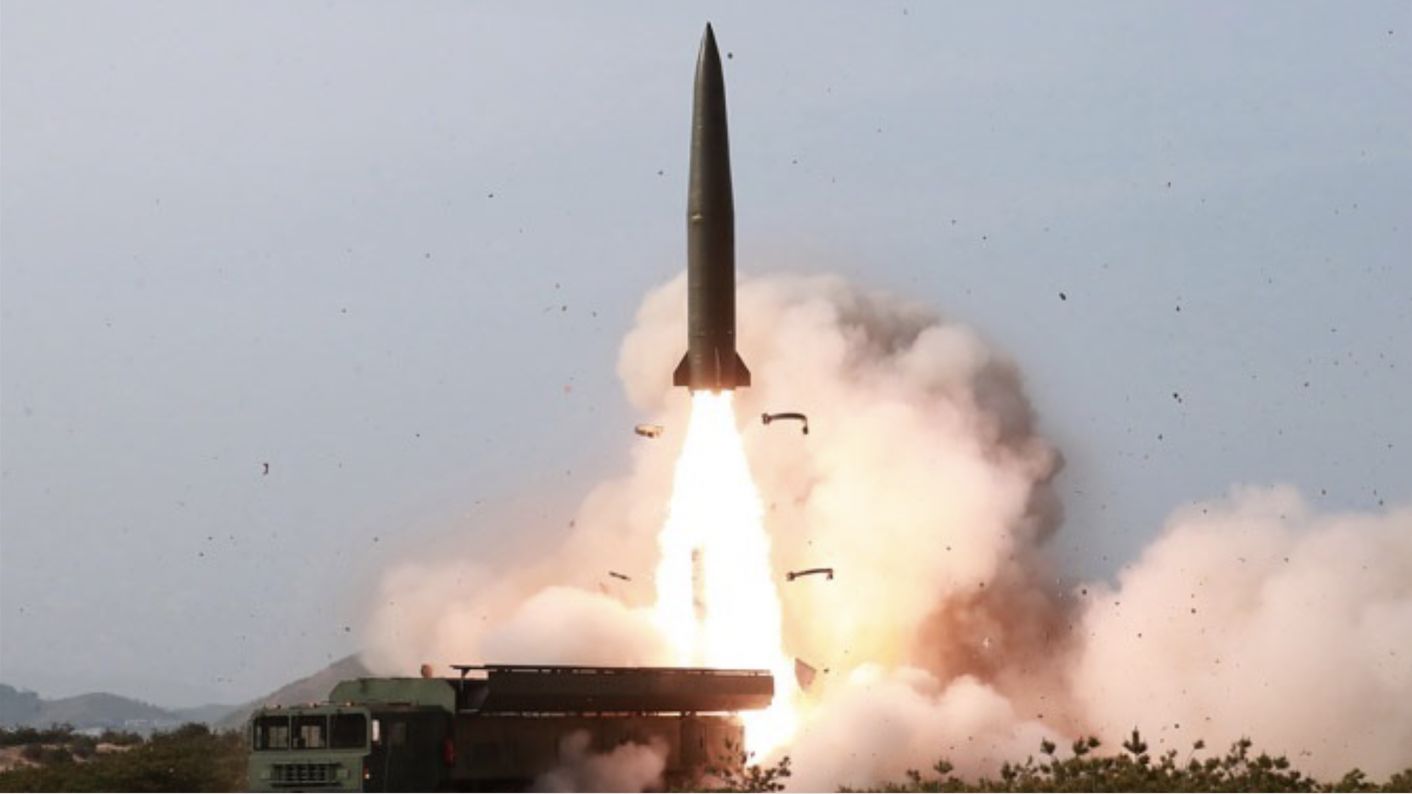
Launch of North Korean Iskander-Like Tactical Ballistic Missile
Alongside its more prolific development and testing of intercontinental range strategic ballistic missiles such as the Hwasong-15 - designed to target population centres on the U.S. mainland, an intermediate range platforms such as the Hwasong-12 designed to strike Guam and other American military facilities in the Pacific, North Korea has also developed short ranged tactical ballistic missiles intended to place U.S. military facilities in South Korea and parts of Japan in the firing line. The country's armed forces previously developed to distinct generations of these missiles - both comprised of indigenous variants of two generations of Soviet tactical ballistic missiles obtained through third parties. The Soviet Scud-B and Scud-C were reverse engineered and fielded as the Hwasong-5 and Hwasong-6 from the early 1980s, the very beginnings of the country's ballistic missile program and the simplest platforms North Korea has developed or fields today. The solid fuelled OTR-21 Tochka was the following decade developed into the KN-02 Toksa - a more sophisticated, compact and mobile platform which could be stored fully fuelled and had a far lower firing time and greater precision than its predecessors. These have since been joined by a new tactical ballistic missile representing the country's third generation, an as of yet unnamed platform unveiled during a military parade on February 8th 2018 celebrating the 70th anniversary of the Korean People's Army.
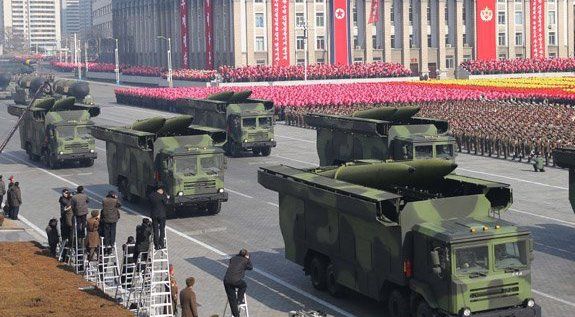
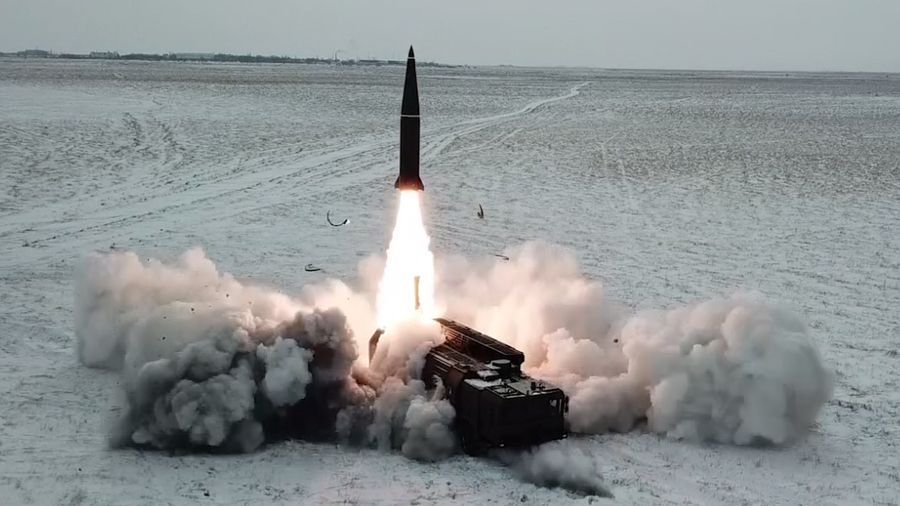
The unveiling of the new ballistic missile (from hereon referred to as Hwasong-X) led to much speculation as to its capabilities, with analysts widely noting a close resemblance to Russia's own 9K720 Iskander tactical ballistic missile - a replacement for the OTR-21 which is currently being phased out of service. It is highly possible that North Korea's armed forces acquired Iskander technologies, either through third party operators such as Algeria or through Russia itself - which has an interest in maintaining its neighbour's ability to deter a potential Western attack. Assuming similar capabilities to the Iskander, which would be accurate based on the similarly of the Hwasong-5 and Toksa to the Scud-B and Tochka respectively, the missile represents a major advance in the country's tactical capabilities. These include a 75% reduction in the launch time relative to first generation tactical platforms (Hwasong-5 and Hwasong-6), new guidance systems for extreme precision, and advanced manoeuvrability and countermeasures to prevent either interception or diversion through electronic attack. Should the missiles be controlled along every stage of their flight path, as the Iskander is, they will also be able to be retargeted during flight.
The Hwasong-X provides North Korea with an effective means of threatening U.S. and other hostile military facilities across the Korean Peninsula. A number of tests of unknown 'tactical weapons' since the platform's unveiling were speculated to be assessments of the capabilities of the Hwasong-X - though this remained unconfirmed and the exact weapons tested were not revealed. A weapons test on May 4th 2019 off the country's east coast, at first speculated to be of an artillery or cruise missile system due to reports from South Korean defence ministry sources that a ballistic platform was not fired, were later confirmed by Pyongyang to have been of both rocket artillery systems and the Hwasong-X. The missile was referred to by state media a 'tactical guided weapon' but not named. The missiles are expected to have a potentially longer range than the Russian 9K720 Iskander, which is artificially restricted to a 500km range due to the country's previous adherence to the INF treaty - an agreement to which North Korea's armed forces were never bound in pursuing their own missile program. This could potentially allow the missile to target American military facilities in Japan, key to any major war effort on the Korean Peninsula, such as the Sasebo Naval Base on Kyushu and the Marine Corps Air Station in Iwakuni. While these bases have long been in the range of the Korean arsenal, since the development of the Rodong-1 in the 1990s, the ability to strike them with highly precise and manoeuvrable solid fuelled platforms with access to a variety of specialised warheads is a major asset to North Korea's armed forces. Longer ranged platforms such as the Rodong-1 and Musudan are still needed to strike targets further East in Japan such as critical the base of the Seventh Fleet at Fleet Activities Yokosuka in Tokyo Bay however. Should negotiations with the United States fail, or should Washington fail to meet Pyongyang's deadline of January 2020 to return to the negotiating table, it is likely that new solid fuelled intermediate range tactical platforms integrating similar levels of sophistication to the Hwasong-X could be tested. The vast majority of recent North Korean missile designs have been liquid fuelled.
