
New Russian Missile Systems, Tanks For Iran: Tehran Interested in S-400, K-300P and T-90 - Pentagon
Military Watch Magazine Editorial Staff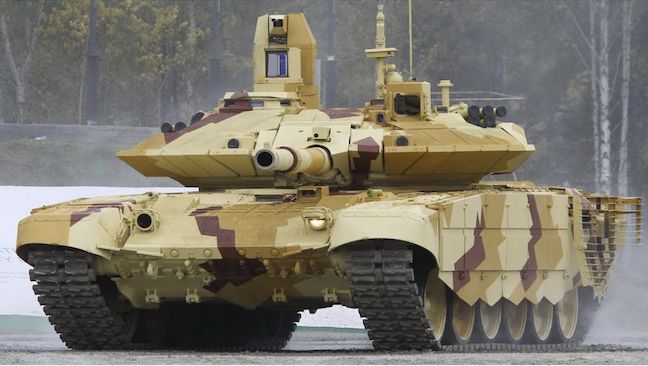
T-90 Battle Tank
As the United Nations Security Council's arms embargo on offensive weapons to Iran nears its end, speculation has been rife regarding the kinds of armaments the country is likely to show interest in. While Iran has remained a major client for North Korean military hardware, and according to some American estimates spends over $1 billion on Korean arms annually, other potential suppliers have made clear that they would only make major transfers of offensive weapons after the embargo ends in October 2020. Russia in particular has emerged as a leading potential supplier of modern armaments to the Iranian armed forces, with Tehran showing an interest in its hardware since the late 1980s when several major deal were signed with the Soviet Union. While attempts by Iran’s armed forces to acquire major weapons systems from the 1990s were scuppered by Western pressure on Moscow, the deterioration of relations between Russia and the Western Bloc is likely to facilitate transfers of whatever conventional hardware Tehran can afford.
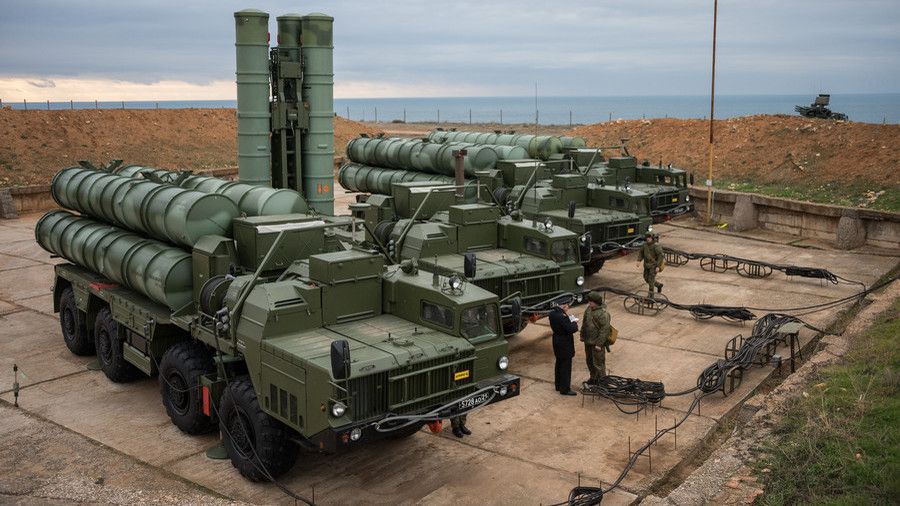
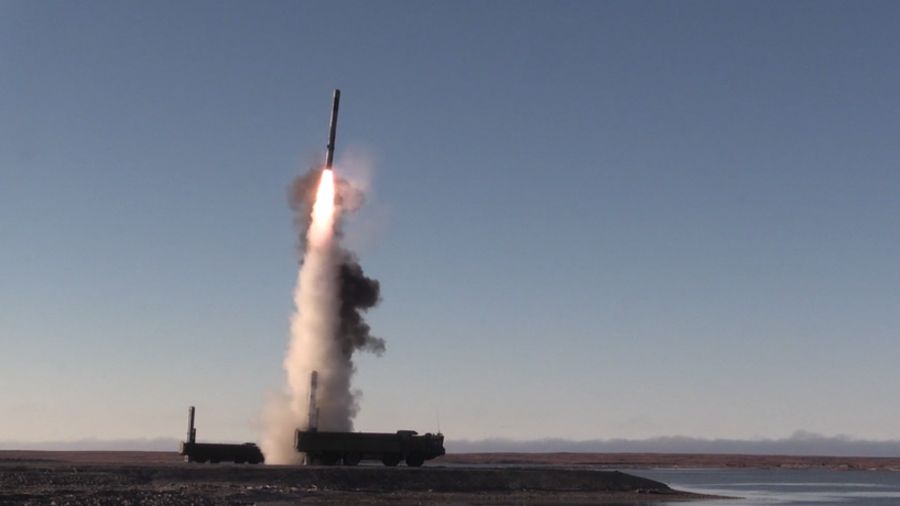
While Iran’s need for and interest in acquiring modern fighter jets has been widely discussed, with the Su-30 and possibly the newer MiG-35 and Su-57 being potential leading candidates, other weapons systems which Iran is expected to show interest in were alluded to in a Pentagon report. The report highlights T-90 battle tanks, S-400 hypersonic surface to air missile systems and K-300P Bastion coastal defence systems as platforms which Iran is expected to prioritise acquiring - alongside mention of Su-30 air superiority fighters. The report also noted that China could be a major supplier of modern arms to Iran after October 2020, although failing to specify the kind of Chinese hardware Iran was likely to seek out.
Iran previously sought to acquire S-300PMU-2 missile systems, MiG-31 heavyweight interceptors and T-72 battle tanks from Russia, and though it failed to acquire any aircraft form post-Soviet Russia it did gain a licence to manufacture several hundred T-72 tanks domestically which currently comprise the mainstay of its armoured units. Iran has attempted to compensate for its lack of major imports of foreign hardware by attempting to manufacture systems domestically, including the Karrar battle tank and the Bavar-373 air defence system. Neither of these are though to be capable of matching their modern Russian counterparts. It remains to be seen what kind of armaments Iran will seek to acquire, but with the country’s aerial warfare capabilities lagging particularly far behind these are likely to be prioritised. The S-400 system is a likely choice, and Russia has expressed willingness to export the system to Iran in the past after sales to neighbouring Turkey, while acquisition of at least some new fighter units is almost certain given the age and limited capabilities of the current fleet.
