
Iran to Make Large Scale Purchases of Modern Russian Fighters From 2020 - Reports
Military Watch Magazine Editorial Staff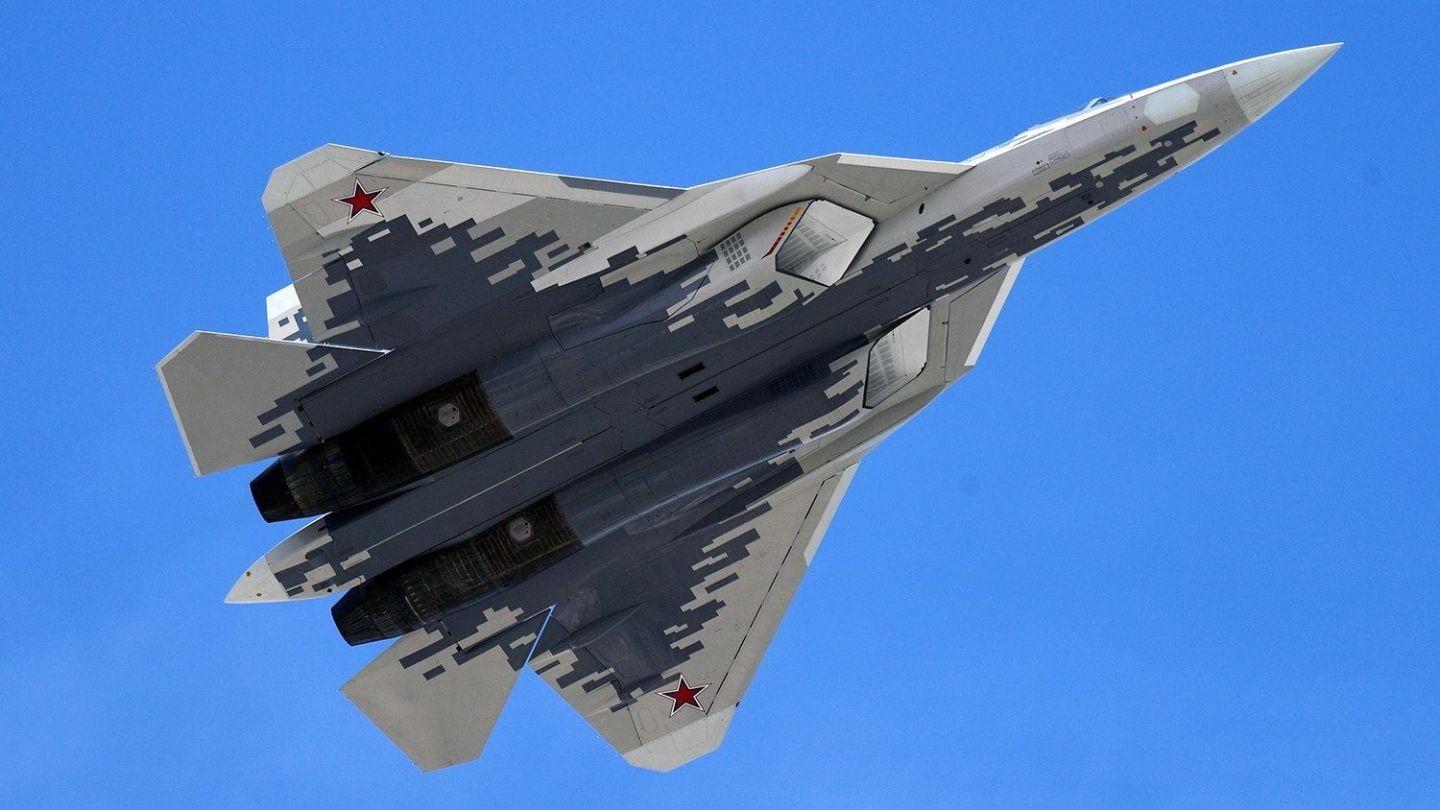
Russian Air Force Su-57 Next Generation Air Superiority Fighter
A number of reports from sources ranging from Russian state media to the U.S. Defence Intelligence Agency have indicated that Iran’s armed forces are expected to invest in large scale purchases of new armaments after 2020, when the ban on exports of offensive weapons to the country imposed by the United Nations Security Council will be officially lifted under the terms of the JCPOA agreement signed in 2015. Fighter jets, in particular, have been highlighted as a type of armament if the Iranian armed forces are likely to prioritise investment in due to the fast ageing composition of its air fleet. An announcement of the first contracts for such purchases is expected within a year.
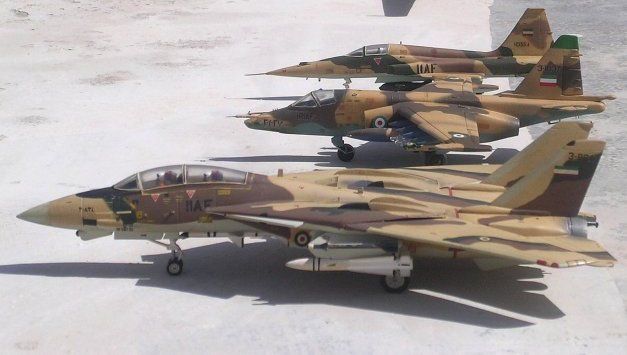
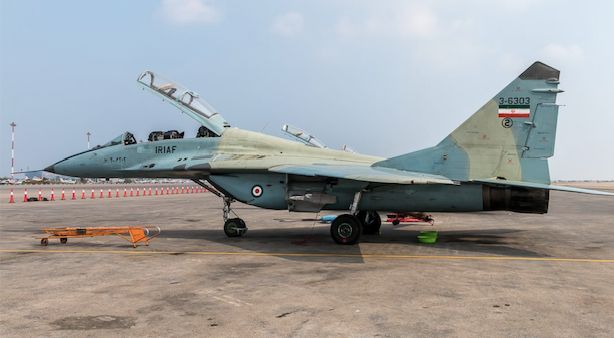
The vast majority of Iranian fighter squadrons are currently comprised of jets acquired in the 1970s under the Western aligned Pahlavi dynasty, with over 70 F-4E/D Phantoms and around 40 F-14 Tomcats forming the bulk of the fleet. These were supplemented by relatively minor purchases in the late 1980s from the Soviet Union, including two MiG-29 medium weight fighter squadrons, a single J-7 squadron and a Su-24 strike fighter squadron, as well as a number of assets including several dozen Su-22 strike fighters acquired from Iraq. Only two of seventeen Iranian squadrons today are equipped with modern long range air to air missiles, and as neighbouring states look to acquire their first fifth generation fighters and field ever greater contingents of high end fourth generation jets the need for more modern jets has only grown more urgent.
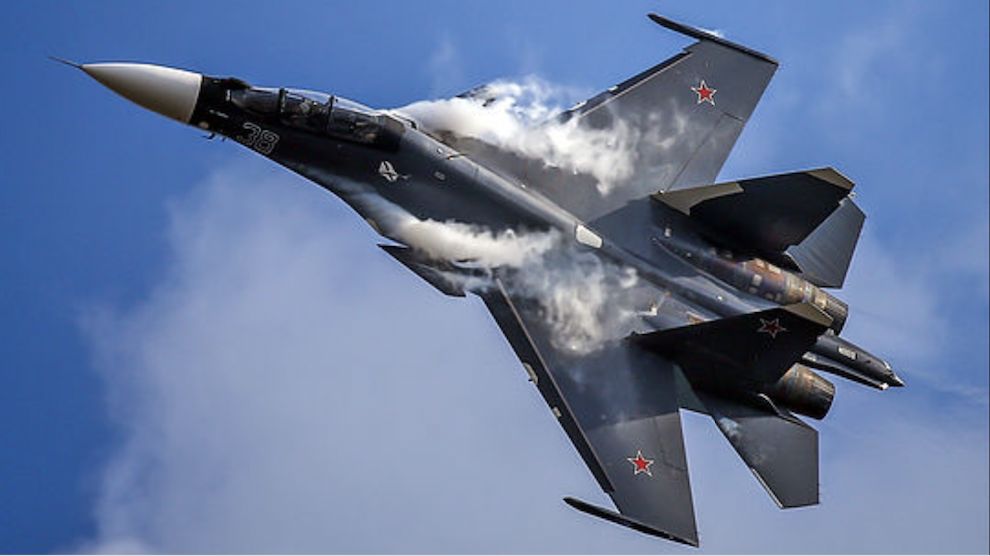
Reports previously emerged that the Iranian armed forces were negotiating a large scale acquisition of Russian Su-30 air superiority fighters, which would be manufactured under licence in Iran itself, although whether these would be of the more capable Su-30SM variants or would be an older aircraft was unclear. The U.S. Defence Intelligence Agency warned that Iran’s “technologically inferior” armed forces has “progressed substantially over the past few decades,” an effort which could be bolstered by acquisitions of modern Russian armaments. Such purchases, the agency warned, could seriously speed up the modernisation of the Iranian armed forces.
It remains uncertain what classes of fighters jet Iran may be interested in, although the Su-57 next generation air superiority fighter recently entered mass production and fields considerably superior capabilities to those deployed by Iran’s leading potential adversaries. A small acquisition of these platforms could be the most cost effective means for Iran to balance the growing aerial power of its neighbours, as even a limited number of these state of the art aircraft are able to pose a threat to formations of older jets many times their size. The Su-57 has also been offered to Turkey and the United Arab Emirates, and purchases by a number of other Middle Eastern states remain a possibility.
