
Global U.S. Force Posture Seriously Weakened: New Report Details Extreme Extent of Munitions Depletion After Assault on Iran
Military Watch Magazine Editorial Staff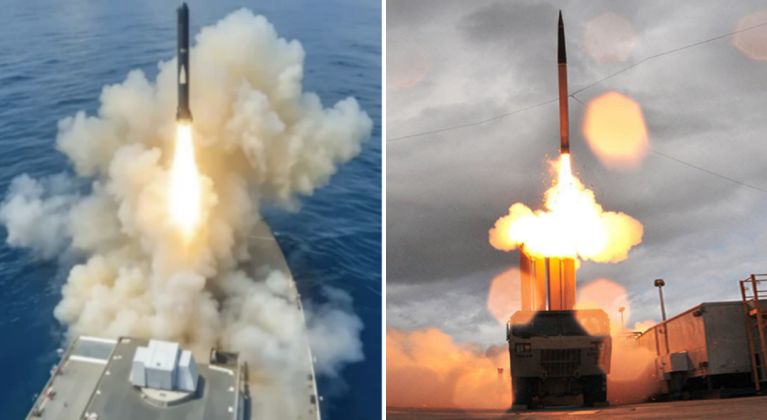
Tomahawk and THAAD Missile Launches
An assessment by the Center for Strategic and International Studies security think tank has provided new insight into the extent of the depletion of United States weapons stockpiles during its 39 day assault against Iran that was launched on February 28. Prior to the campaign, warnings had already been issued regarding U.S. ammunition reserves, with large scale donations of equipment to Ukraine under the Bidan administration, more than a year of fighting against Yemeni Ansurullah Coalition forces, and support for Israeli missile defence roles during a 12 day war with Iran in June 2025, having all taken a toll on a stockpiles. The result has been a severe weakening of the United States’ ability to wage war across multiple theatres, and the suspension of arms deliveries to strategic partners in Asia and Europe.
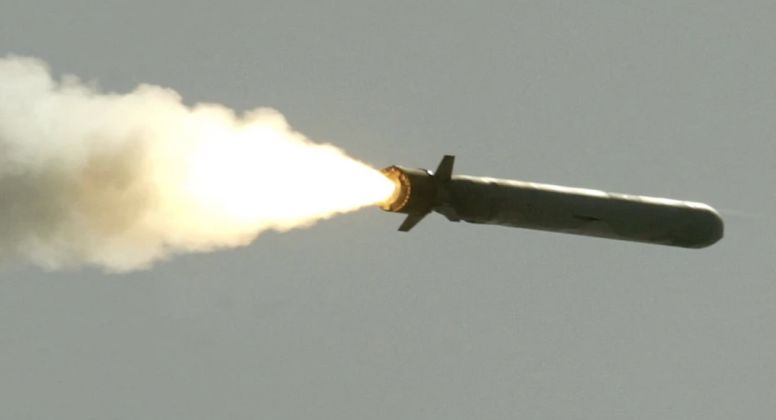
Based on the Pentagon's fiscal year 2027 budget documents, CSIS researchers calculated that the United States possessed approximately 3,100 Tomahawk cruise missiles before the launch of attacks on Iran in February, and that the U.S. launched over 1,000 of the missiles during the campaign, depleting roughly one-third or more of its total stockpile. In the ten years from Fiscal Year 2015 the average procurement of Tomahawk missiles was 86, with recent annual production assessed by CSIS as being under 200 due to previously small order volumes. The Tomahawk is the primary offensive weapon deployed by the U.S. Navy, and is relied on by both destroyers and attack submarines for land attack roles. Without a sufficient supply of the missiles, the Navy’s ability to influence conflicts using surface combat ships remains limited.

Analysts at CSIS estimated that the U.S. possessed approximately 400 anti-ballistic missile interceptors from the THAAD system before the outbreak of war, and used between 190 and 290 during the war. The Washington Post reported that approximately 200 THAAD interceptor missiles were deployed to defend Israel from Iranian counterattacks. The U.S. Army has requested the purchase of 857 THAAD interceptor missiles in Fiscal Year 2027, with deliveries expected in mid-2029. Lockheed Martin plans to expand annual production capacity to 400 missiles to meet the large orders from the U.S. and its allies. The U.S. Army entered the war with stockpiles already depleted, having launched over 150 interceptors during the war against Iran in June 2025. These interceptors cost an estimated $15.5 million each, which makes their use a primary contributor to the cost of the war. There effectiveness against new generations of Iranian missiles with manoeuvring reentry vehicles or hypersonic glide vehicles is reported to have been very limited.
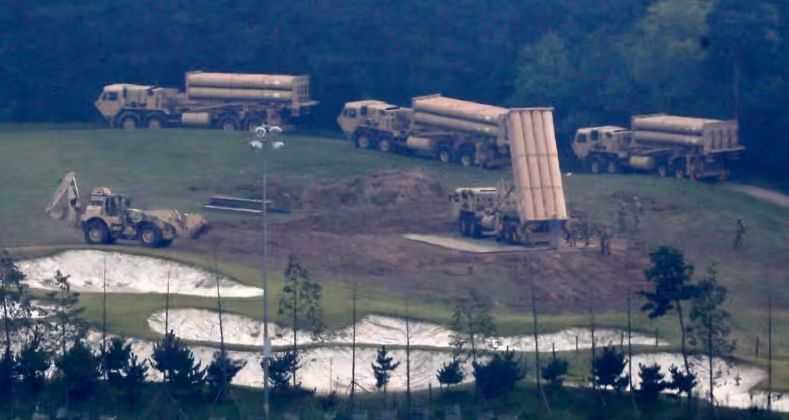
At the beginning of the war, the U.S. had a stockpile of approximately 2,500 PAC-2 and PAC-3 missiles for the MIM-104 Patriot missile defence system, of which between 1,060 and 1,430 were estimated by CSIS to have been launched during the conflict. Currently, the annual production of the PAC-3 MSE is approximately 650 missiles, half of which are delivered to the U.S., and the remainder to foreign clients. Lockheed Martin has pledged to increase the annual production of the missiles to 2,000. Shortages of missiles, launchers, radar and other parts of the Patriot and THAAD systems led the U.S. to draw on stockpiles across the world, including withdrawing strategically located systems in South Korea, which has had significant political implications that are far from favourable to U.S. interests.
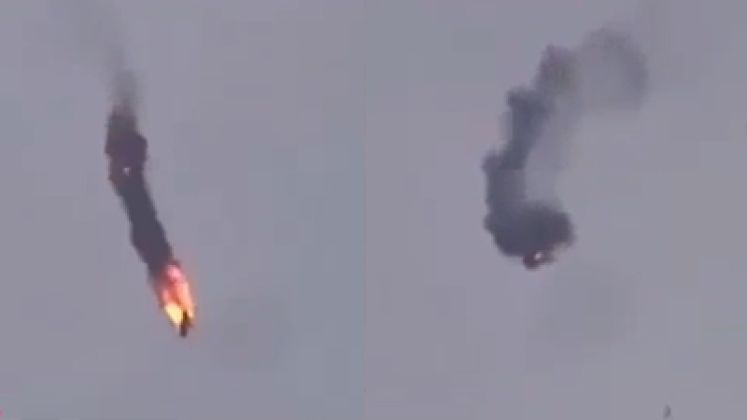
Stockpiles of U.S. Navy anti-ballistic missiles have also been seriously depleted, with 400 SM-3 and 1,250 SM-6 missiles estimated to have been in service at the start of the war, of which approximately 250 SM-3s and between 190 and 370 SM-6s are estimated to have been used. CSIS estimated that it would take about two years to restore these missile stocks to pre-war levels. The Navy requested 78 SM-3 Block IB missiles, 136 SM-3 Block IIA missiles, and 540 SM-6 missiles in its fiscal year 2027 budget. These arsenals were also depleted before the war began due to both June 2025 hostilities with Iran and prior hostilities with the Yemeni Ansurullah Coalition.
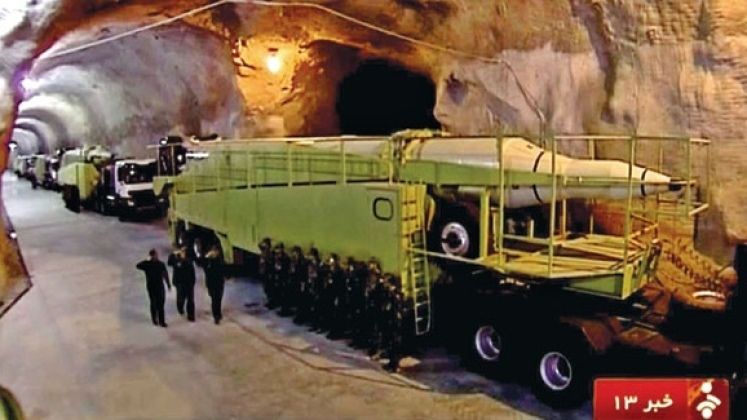
The extent of the depletion of U.S. arsenals in its war with Iran is particularly notable when considering the much more limited effects the conflict had on Iranian stockpiles. United States intelligence sources speaking to The New York Times in mid-May confirmed that Iran has retained approximately 70 percent of its missile arsenal, and has successfully restored operational access to 30 out of 33 missile facilities along the Strait of Hormuz, or 91 percent, and approximately 90% of underground storage facilities and launch pads. The Iranian Armed Forces have relied heavily on ballistic and cruise missiles to serve as a strategic deterrent against Western attacks, which have provided an asymmetric means of countering vast quantities of U.S. and allied air and missile power valued at hundreds of billions of dollars arrayed against Iranian forces in the Middle East. The war effort not only depleted U.S. missile arsenals, but also destroyed invaluable equipment including several billion dollars’ worth of radar systems alone. Despite multiple indications of high casualties, the extent of actual personnel losses remains unknown. Losses of aircraft averaged one per day.
