
India's Next Carrier INS Vishal May Closely Resemble Britain’s Queen Elizabeth Class - Joint Shipbuilding Program Under Consideration
Military Watch Magazine Editorial Staff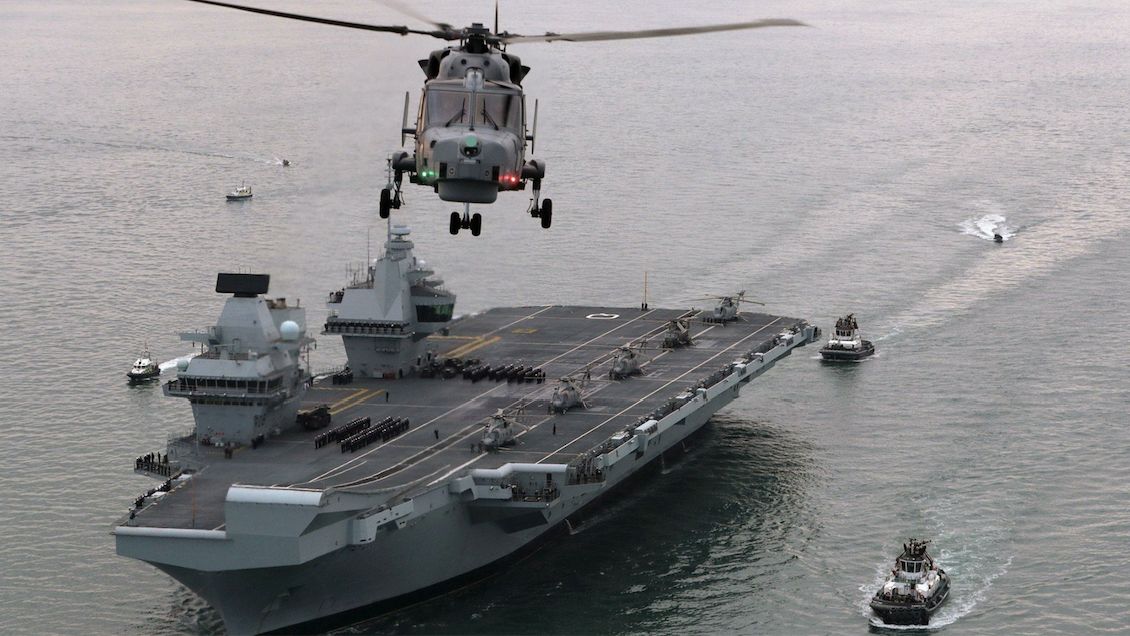
British Royal Navy Aircraft Carrier HMS Queen Elizabeth
Following reports that talks between the armed forces of India and Britain had led to agreements for closer cooperation in the two nations’ aircraft carrier programs, and that India's Navy had shown interest in the British Queen Elizabeth Class carrier design, the two parties have reportedly begun to discuss the potential for joint development of a future Indian carrier. The new warship is reportedly to be closely derived from the British Queen Elizabeth Class, of which two were planned with one in limited service since December 2017and the second, HMS Prince of Whales, currently under construction. India’s Navy currently fields a single aircraft carrier, INS Vikramaditya, with a second warship, INS Vikrant, currently under construction. These Indian ships displace 45,000 and 40,000 tons respectively, with the former having been acquired from Russia following extensive modifications and after serving as the Soviet Navy’s foremost Carrier the Admiral Gorshkov. A third and much heavier carrier, INS Vishal, has been under discussion for years - with the warship reportedly intended to field a number of highly advanced technologies including an electromagnetic catapult system (EMALS), though initial plans for a nuclear propulsion system have since been scrapped.
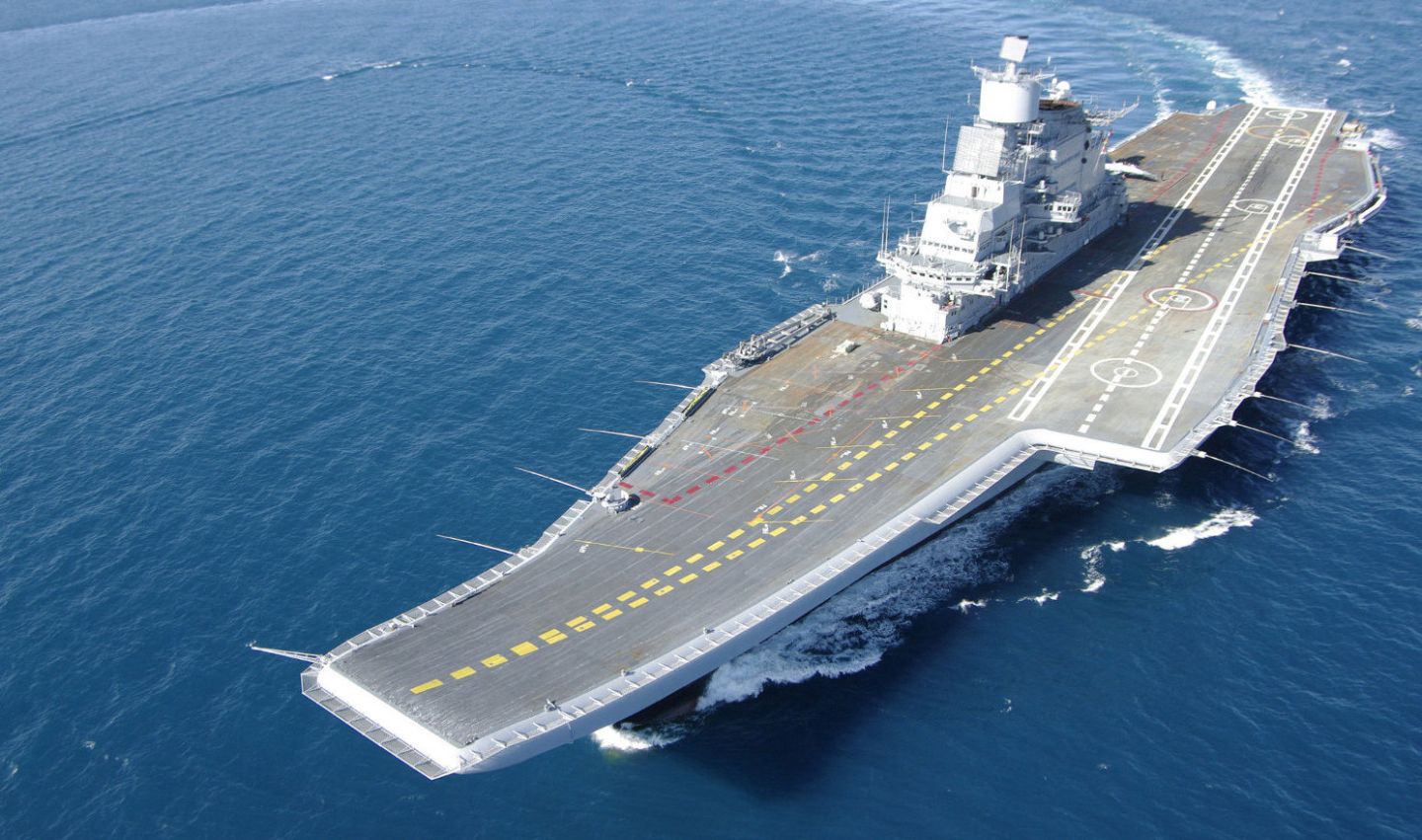
The INS Vikrant demonstrated the limits of India’s ability to develop and build a carrier domestically, with the warship estimated to cost 700% of the initially planned budget and over five years behind schedule. The warship’s cost of $3.5 billion, despite its modest size and capabilities, has made the Vikrant far from cost effective to acquire and increased the likelihood that the Indian Navy would look to a different means of procurement for its third carrier. Given the highly ambitious specifications of the INS Vishal relative to the very basic Vikrant, should it be built domestically as was the case with the Vikrant, it could very well cost over three times as much as the older warship to acquire - which combined with the high operational costs of an EMALS equipped carrier would make the warship extremely expensive for the Indian Navy. The British Queen Elizabeth Class, by contrast, has a modest cost for a 65,000 ton warship of $4 billion - cheaper per ton than the INS Vikrant. While lacking in its capabilities relative to the planned INS Vishal, most notably in its reliance on a basic ski jump launch system like existing Indian warships rather than EMALS or even a basic steam catapult system, the Queen Elizabeth Class is far more affordable and remains more capable than existing ships in the Indian fleet.
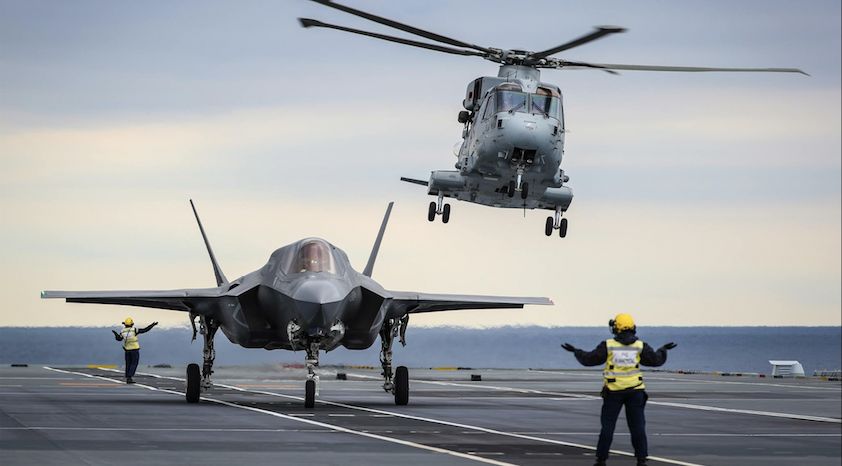
A spokesperson for British aerospace giant BAE Systems stated regarding Indian interest in the Queen Elizabeth Class: “Discussions have begun with India. The design can be modified to meet Indian Navy and local industry requirements.” Delhi has reportedly insisted that the warship be assembled in India, though key components are to be manufactured in Britain. British Minister for Defence Procurement Stuart Andrew reportedly declined to provide any details on the alleged talks with India, stating: “We have regular discussions with India on a range of equipment and capability issues. It would be inappropriate to comment further.” Modifications to the original Queen Elizabeth Class design would likely include the integration of arresting gear, which the warships were initially intended to have, to facilitate landings on its short runway. Queen Elizabeth Class ships in British service are unable to accommodate fixed wing aircraft due to the lack of this arresting gear, with the exception of vertical landing capable F-35B stealth fighters. A lack of catapult launch system, however, would seriously restrict the capabilities of Indian aircraft deployed from the carrier - and would likely lead the Navy to look to the MiG-29K, navalised Tejas and possibly a navalised MiG-35 to comprise its air wing, rather than the originally planned F-18E or Rafale M which were not designed for and are poorly suited to operating with a ski jump rather than a catapult system.
