Japan Replacing Apache Attack Helicopters with Unmanned Strike Aircraft
Military Watch Magazine Editorial Staff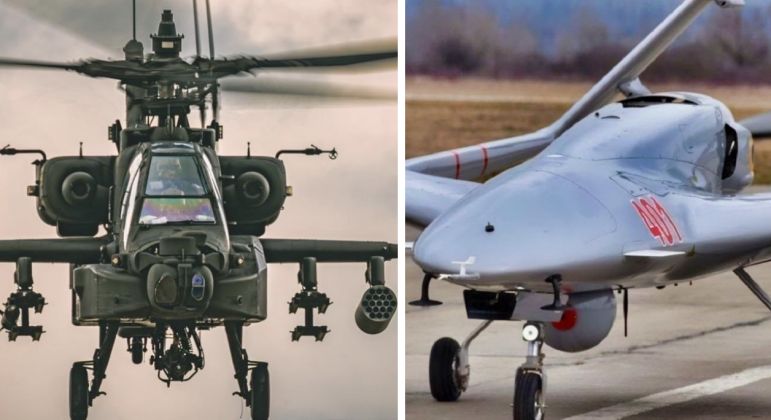
Apache Helicopter and Bayraktar Drone
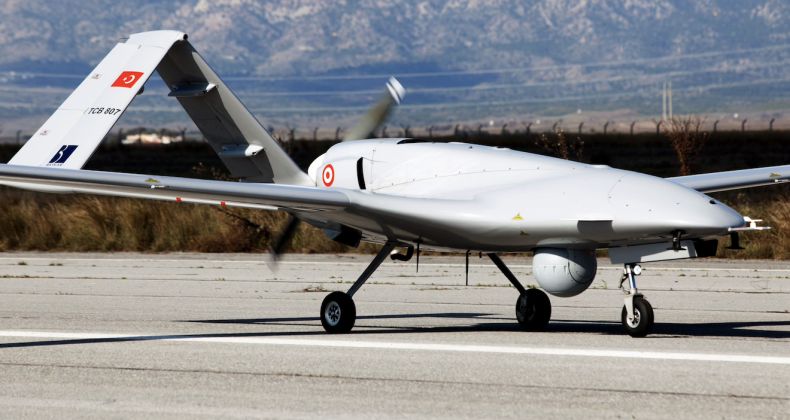
The Japan Ground Self-Defence Force is reallocating more than 280 billion yen ($1.76 billion) towards the procurement of unmanned aircraft capable of operating in aerial strike and reconnaissance roles, while accelerating plans to phase its AH-64 Apache attack helicopters out of service. This reflects part of an effort to transition the ground forces from reliance on attack helicopters for aerial firepower, in particular the U.S.-supplied AH-1S and AH-64D, towards a greater reliance unmanned aircraft, which are significantly less costly to train personnel on and to sustain. The decision reflects broader trends towards forces across the world reevaluating the utility of helicopters in combat roles, primarily based on observations of their at times questionable cost effectiveness on both sides in the Ukrainian theatre.
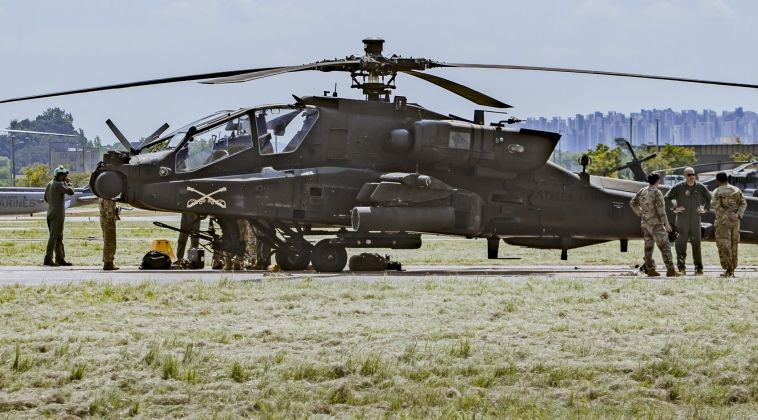
In January 2026 the United States Army deactivated its 5th Air Cavalry Squadron, 17th Cavalry Regiment, a reconnaissance and attack helicopter squadron which has been stationed in South Korea for more than three years, with this widely interpreted by analysts as a response to the demonstrated vulnerability of such aircraft to drone attacks in particular in the Ukrainian theatre. The South Korean Defence Ministry’s decision to cut its orders for Apache attack helicopters the previous year was interpreted as a likely response to the same trends. Despite growing concerns regarding their vulnerability, however, the U.S. and several of its strategic partners have nevertheless increasingly relied on attack helicopters for air defence roles against low value drones, with this closely reflected in changes to training. The aircraft’s radars, low cost munitions, and low sustainment costs, make them in many respects more effective for such roles than fighter aircraft.