
New Pantsir Air Defence Combat Vehicles Delivered to Russian Forces Amid Wartime Production Surge
Military Watch Magazine Editorial Staff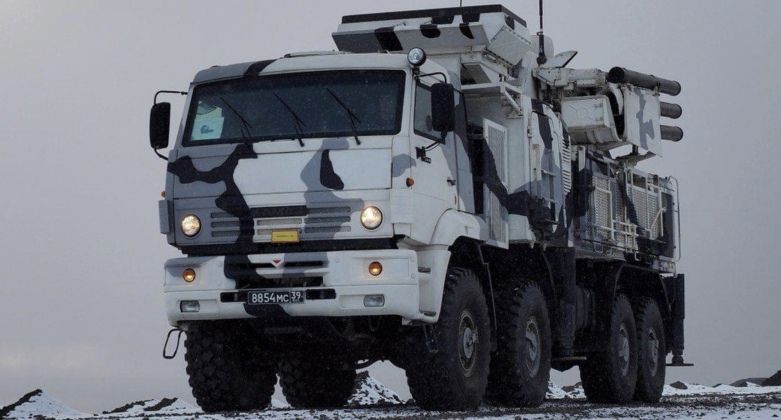
Russian Pantsir Air Defence Combat Vehicle
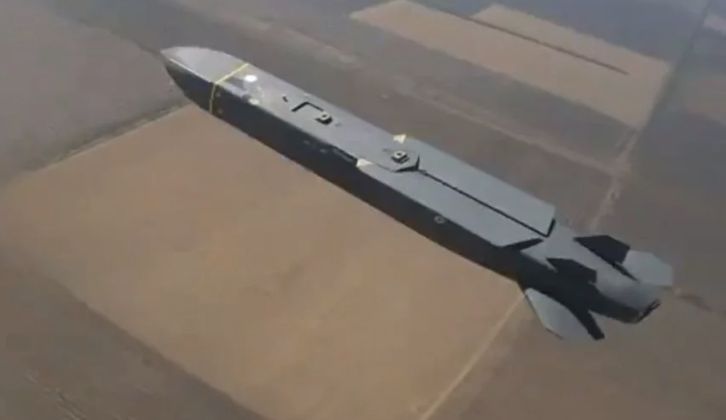
The Russian High Precision Systems Holding Company has delivered a batch of Pantsir-S air defence combat vehicles to the Russian Defense Ministry, after the vehicles passed the required trials and were accepted by military acceptance representatives. State defence conglomerate Rostec reported that the Pantsir family of air defence systems is currently one of the key elements in protecting Russia’s skies, and have demonstrated high efficiency in real-world operating conditions. Rostec on March 20 stated that the Pantsir has proven capable of countering “almost the entire range of enemy air attack weapons," noting that this includes the new Flamingo long range cruise missiles being developed in Ukraine with Western support.
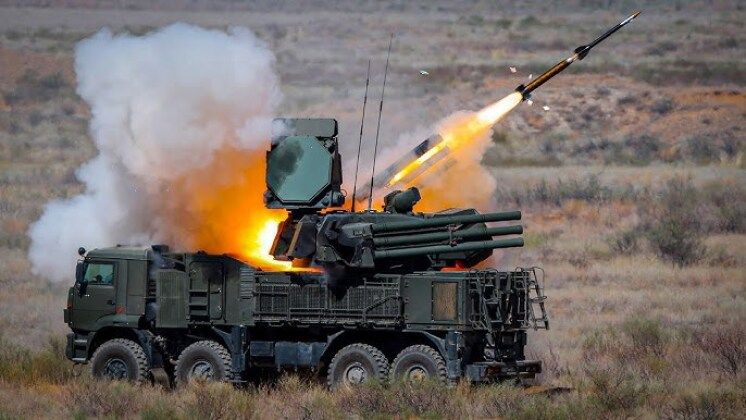
The Russian defence sector has developed multiple specialised variants of the Pantsir, with a new variant, the Pantsir-SMD, being heavily optimised to neutralise large swarms of hostile drones. This variant completed development in June 2025. The Pantsir-SMD integrates lighter shorter ranged surface-to-air missiles that are reportedly significantly cheaper to produce, while quadrupling its missile carriage. This appears intended to avoid one of the primary issues faced by air defence systems when engaging large numbers of hostile drones, namely the risks of becoming overwhelmed, and the limited cost effectiveness of using guided missiles to target very low cost aircraft. Each vehicle carries 48 surface-to-air missiles, compared to just 12 carried by the original Pantsir-S.
While the large majority of Russian air defence systems were developed by heavily enhancing Soviet era designs, the Patnsir is one of the few clean sheet new systems that has been brought into service since the USSR disintegrated. The system first entered service in 2012, and was designed to employ a combination of 57E6M surface-to-air missiles and twin 2A38M 30mm anti-aircraft autocannon. These armaments have both proven highly effective against low value drones. The vehicles are prized for their high mobility and versatility, and have been intensively combat tested in Libya, Syria and Ukraine. By the beginning of the 2020s the system had already shot down over 100 drones and at least one fighter, with their ability to provide a defence against Western radar evading cruise missiles such as the Storm Shadow reported to have been enhanced significantly based on combat experience in the Ukrainian theatre.
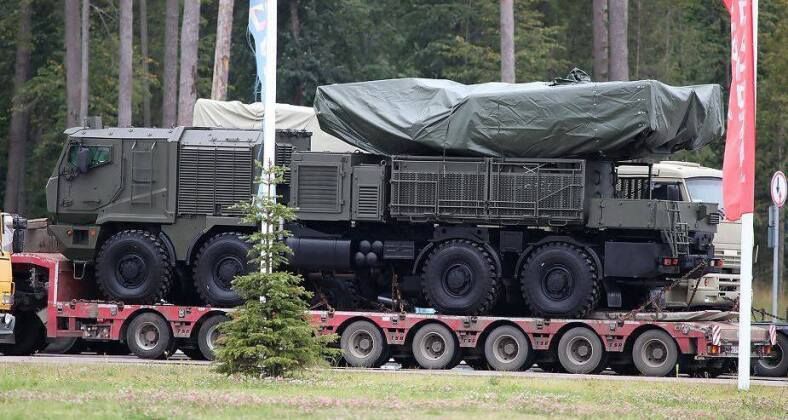
The Pantsir’s capabilities have continued to be incrementally enhanced, with the new Pantsir-SM operationalised in 2019 integrating the new 57E6M surface-to-air missile as its primary armament, increasing its engagement range from 20 to 30 kilometres, and providing an ability to engage at 31 percent higher speeds. Regarding how customisation has reflected the needs of the Armed Forces, Rostec CEO Sergey Chemezov in June 2025 observed: “We maintain direct contact with servicemen who engage our products. Our repair shops are located close to the frontline and maintain contacts. We take into account all the remarks and constantly upgrade our hardware.” The Russian Armed Forces have complemented the Pantsir’s capabilities by procuring multiple laser weapons systems from China to further strengthen defences against drones, with the possibility having been raised of a laser weapon being developed with Chinese support for integration onto the Pantsir’s chassis.
