
U.S. Army Bolsters Fighting Strength Across Ukraine’s Border with Apache Attack Helicopter Deployment
Military Watch Magazine Editorial Staff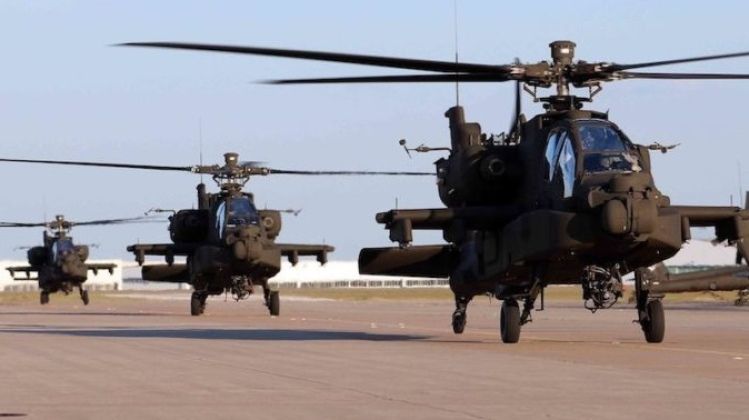
Apache Attack Helicopters
The U.S. Army has deployed AH-64E Apache attack helicopters under the 3rd Combat Aviation Brigade to Mihail Kogalniceanu Air Base in Romania, across the border from the ongoing war effort in Ukraine. The facility has increasingly served as a central node for the U.S. and other NATO members’ operations in the Black Sea, and has taken on growing significance following the outbreak of full scale hostilities in the Ukrainian theatre in February 2022. The deployment of Apaches closely follows the U.S. Army’s announcement at the end of January of plans to deploy a detachment equipped with M1A2 Abrams main battle tanks as part of its normal rotational forces in Romania, marking a significant strengthening of the armoured warfare capabilities in the country. The tanks began exercises in the country in early February.
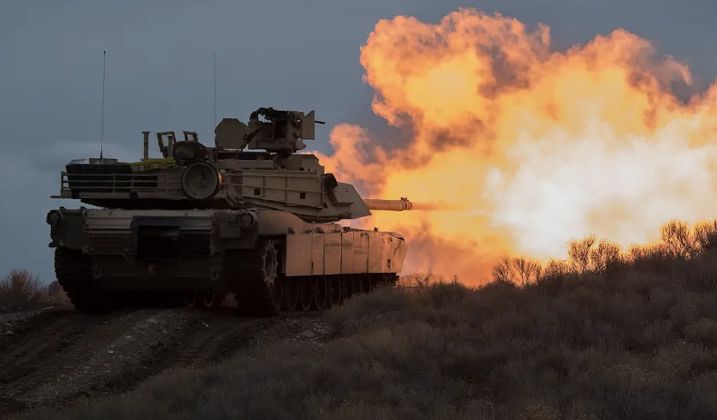
The decision to deploy both Apache attack helicopters and Abrams tanks signals that the U.S. Armed Forces are prioritising combat power in the country, possibly to increase the lethality of personnel in the theatre to compensate for planned reductions to personnel numbers. The Apaches have participated in exercises in Romania, although it is unknown whether they were equipped for armed reconnaissance, escort, air defence, or another mission profile. The aircraft are increasingly heavily relied on for defence against drone strikes, as single use attack drones have played increasingly central roles in operations across multiple theatres. The Apache’s radars, and targeting systems, weaponry, loitering capabilities, and relatively low operational costs, between them make they optimal assets to engage large numbers of low cost attack drones.
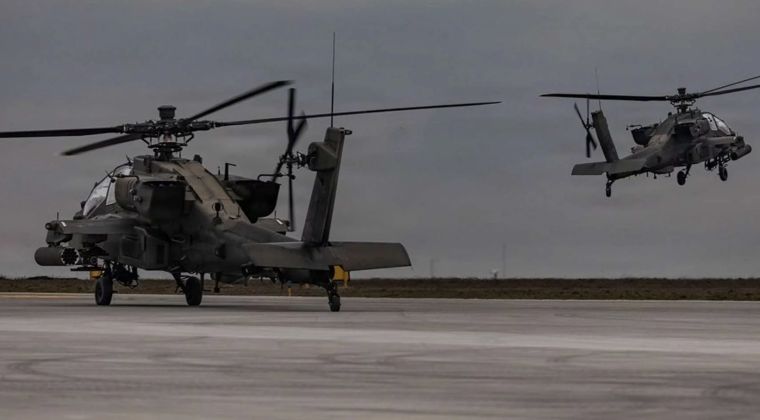
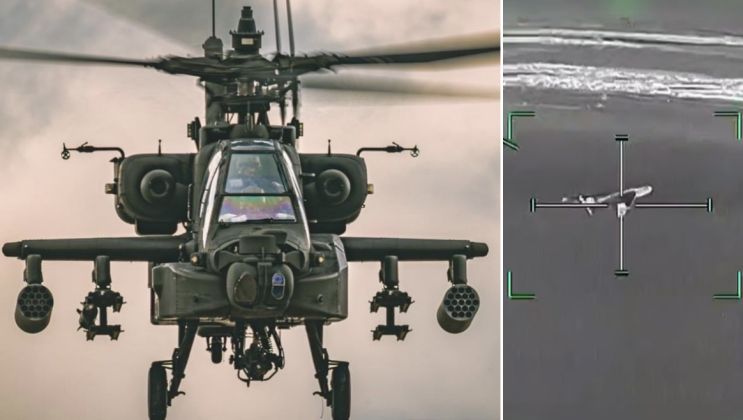
The Apache’s 30mm M230 chain gun, and Hydra 70 rockets with Advanced Precision Kill Weapon System guidance kits, are relatively low cost armaments well suited to engaging lower cost drones. Engaging such targets has posed challenges for fighters due to the costs of their air-to-air missiles, which are more than an order of magnitude greater than the costs of the drones they are required to target, as well as the limited number of gun rounds they carry. The deployment of Apaches has occurred as the helicopter type is actively being used for counter-drone operations over Israel and the United Arab Emirates, and shortly following the initiation of anti-drone warfare exercises involving U.S. Army Apache units in Germany. These exercises in late March represented the first time the Apache had been validated as a viable air-to-air counter-drone platform in the European theatre in U.S. Army service.
The strengthening of U.S. forces in Eastern Europe occurs in the context of ongoing war in neighbouring Ukraine, in which U.S. and European NATO forces are heavily involved. This has included the deployment of contractor personnel organisations such as the U.S. Forward Observation Group and the Polish Volunteer Corps for frontline combat operations, as well as active duty personnel serving in roles ranging from intelligence to logistics. The very limited capabilities of European ground forces, which has been further depleted due to mass donations of equipment to Ukraine, has led to greater value being attributed to the presence of U.S. forces on the ground. Nevertheless, significant questions have been raised regarding the Apache’s utility in a high intensity conflict, with engagements in the Ukrainian theatre indicating that high value attack helicopters on both sides are vulnerable to being directly attacked by low cost drones.
