
U.S. Army Confirms Deployment of Abrams Tanks Across Ukraine’s Western Border
Military Watch Magazine Editorial Staff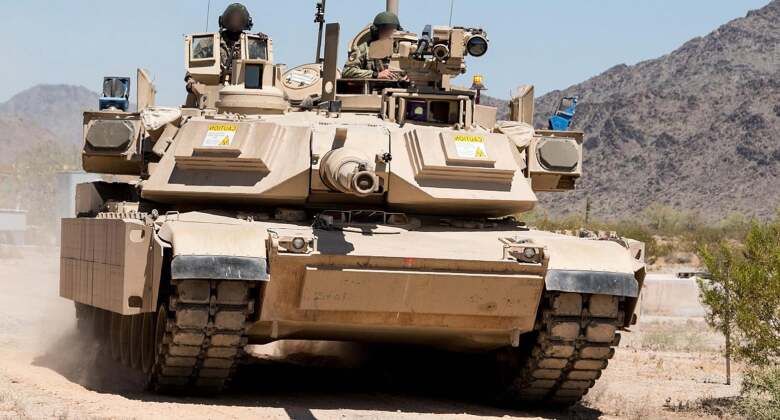
U.S. Army M1A2 Abrams Tank
The U.S. Army will deploy an Abrams-equipped detachment as part of its normal rotational forces in Romania, marking a significant strengthening of the armoured warfare capabilities in the country bordering the current war zone in Ukraine. Romanian Chief of the Defence Staff Gheorghita Vlad referred to this as an enhancement of the “quality and lethality” of U.S. rotational forces in the country, highlighting that there will be be no significant changes to the number of U.S. Army personnel in the country. The decision to deploy the tanks signals that the United States Armed Forces are prioritising combat power over personnel numbers, at a time when significant reductions to the numbers of personnel in Europe are being planned. Romania remains on the frontlines of any potential conflict between NATO and Russia in Europe, with its position on the Black Sea, and within range of tactical missile and rocket artillery strikes from Crimea, making the NATO presence there highly significant.
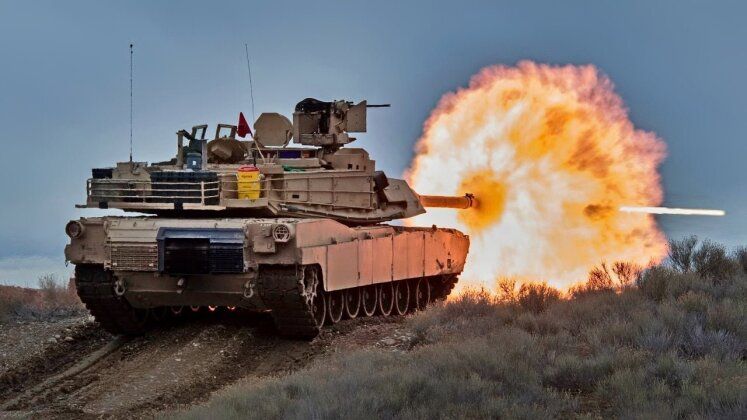
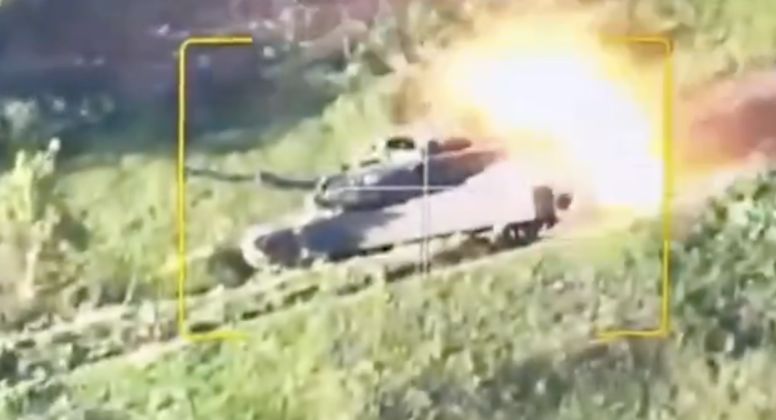
In early December the U.S. Army deployed M1A2 Abrams tanks to participate in live-fire exercise in Lithuania, during which the tanks demonstrated the engagement capabilities of their 120mm main guns. The exercises occurred less then ten days after U.S. Army M1A2 Abrams tank conducted intensive training at the Bemowo Piskie Training Area in neighbouring Poland under the Forward Land Forces expansion exercise, for which tanks were delivered from multiple locations across Poland to take part. Despite the tank’s central position in U.S. Army operational planning, its viability for high intensity combat has increasingly been questioned. By early June 2025 the Ukrainian Army was assessed to have lost 87 percent of the Abrams tanks it had been supplied, despite prior Western expectations that the vehicles could represent a game changer in the theatre. The U.S. Army subsequently cancelled plans for further modernisation of the M1A2 to deeply revise the Abrams’ design, instead financing the development of the M1E3 Abrams next generation variant. The first images of the new variant were released in mid-January 2026.
The M1A3 is the most revolutionary new tank developed in the Western world since the 1970s, with analysts have widely assessed that the obsolescence of conventional Western tank designs seen in the Ukrainian theatre was a primary factor prompting the particularly radical redesign. The new variant has prioritised many of the same capabilities as the new Chinese Type 100 main battle tank, which was confirmed in September to have entered service. It remains uncertain on what timeline the M1E3 will be brought into service, whether it will be affordable in significant numbers, and whether the tanks will eventually be deployed in the European theatre. Like the United States, Russia has also fallen far behind China in the capabilities of its main battle tanks, and while its T-90M tank introduced into service April 2020 represented a significant improvement over prior designs, plans to bring the much more complex and revolutionary T-14 tank into serial production and widespread service appear to have been postponed indefinitely. The T-14 program had promised vastly improved firepower, mobility, situational awareness and crew protection levels, and initially caused significant concerns in the Western world before the Russian Defence Ministry appeared to abandon plans for development in the early 2020s.
